Fellow Portrait
Adeline Pelage
Biscuiterie Bobo

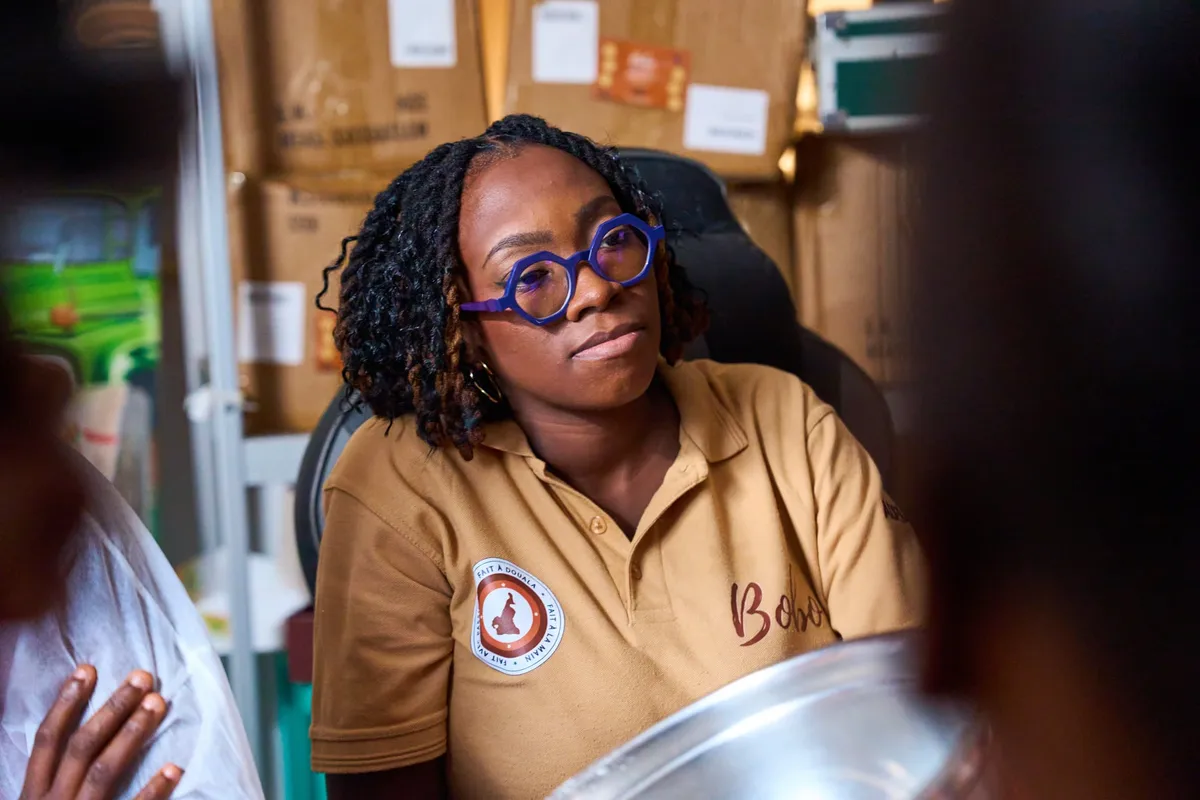
Biscuiterie Bobo is revolutionizing the African biscuit industry, producing locally made, preservative-free snacks that replace imported foods with healthy and affordable homegrown alternatives.
.svg?&quality=80&auto=webp&width=200)
Francophone Sub-Saharan Africa
Cameroon
.svg?&quality=80&auto=webp&width=200)
Fellow
2026
Updated March 2026
Healthy, home-produced snacks are scarce in Central Africa
Nearly 50% of Central Africa's growing middle-class population regularly consumes industrially produced biscuits and cakes, the majority of which are highly processed and made outside the continent. This reliance on imported products limits market access for local farmers and increases costs for consumers.
There are very few alternative options available for customers seeking baked goods with a better health profile but the same level of convenience. In 2021, investment banker-turned food entrepreneur Adeline Pelage set up Biscuiterie Bobo to meet those customers’ needs, providing them with more nutritious and fresher baked goods tailored to regional tastes. By sourcing its ingredients from Cameroonian farmers and hiring locally for production, operations and distribution roles, the business is also improving local livelihood opportunities.
“Our products are proudly made in Africa and prioritize taste, quality and innovation. We plan to revolutionize the African baking industry.”
Biscuiterie Bobo’s better biscuits boost the local economy
Born and raised in Cameroon, Adeline was working in investment banking in Paris when she began to feel disillusioned and lacking purpose in her career. She had had a lifelong keen interest in baking, so began baking professionally on a small scale by supplying cakes for birthdays and weddings. The next step was a formal apprenticeship with a prestigious French baker, during which she fell in love with the process of preparing biscuits in particular.
During a trip home to Cameroon, Adeline reviewed the selection of biscuits available in the supermarket and was unimpressed by row after row of shelf-stable European brands. This realization of a gap in the Central African snack market cemented her next big move — returning to Cameroon to set up Biscuiterie Bobo and contribute to the country’s economic development.
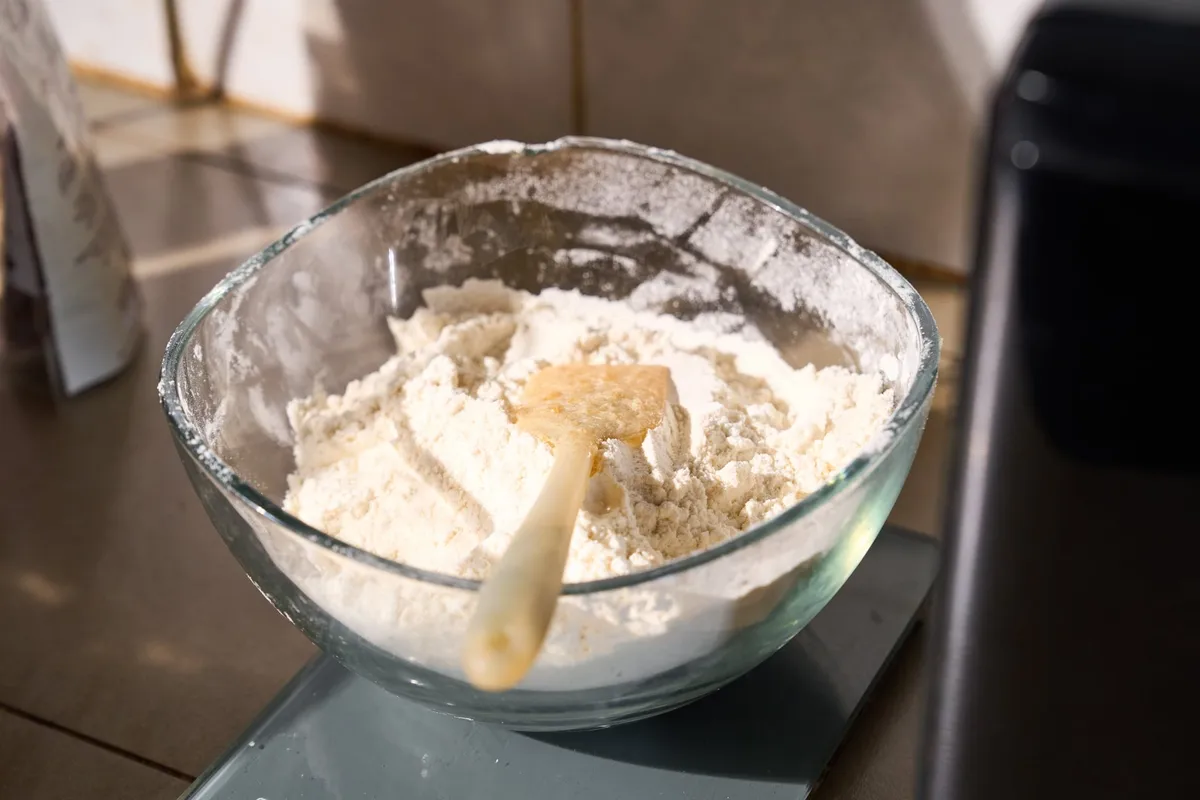
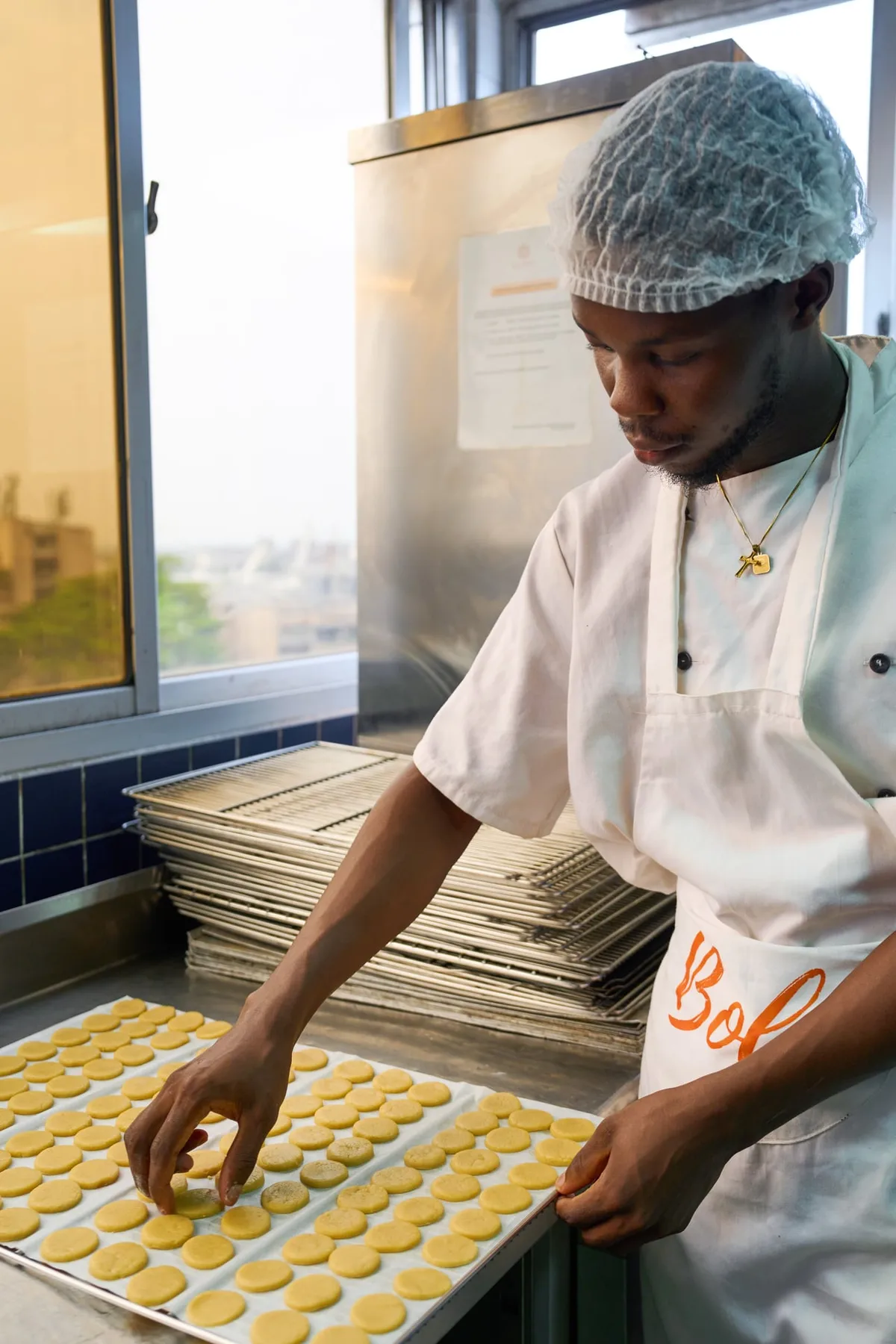
Biscuiterie Bobo transforms local crops into preservative-free products tailored to regional tastes. It partners with more than 100 smallholder farmers, providing training programs that help them enhance productivity and learn innovative sustainable farming techniques. Produce such as cassava and sweet potato are collected from farmers by local farming cooperatives, which then dry and grind them into flour. By processing the produce instead of selling it whole, farmers can multiply their revenue fivefold and significantly reduce post-harvest losses.
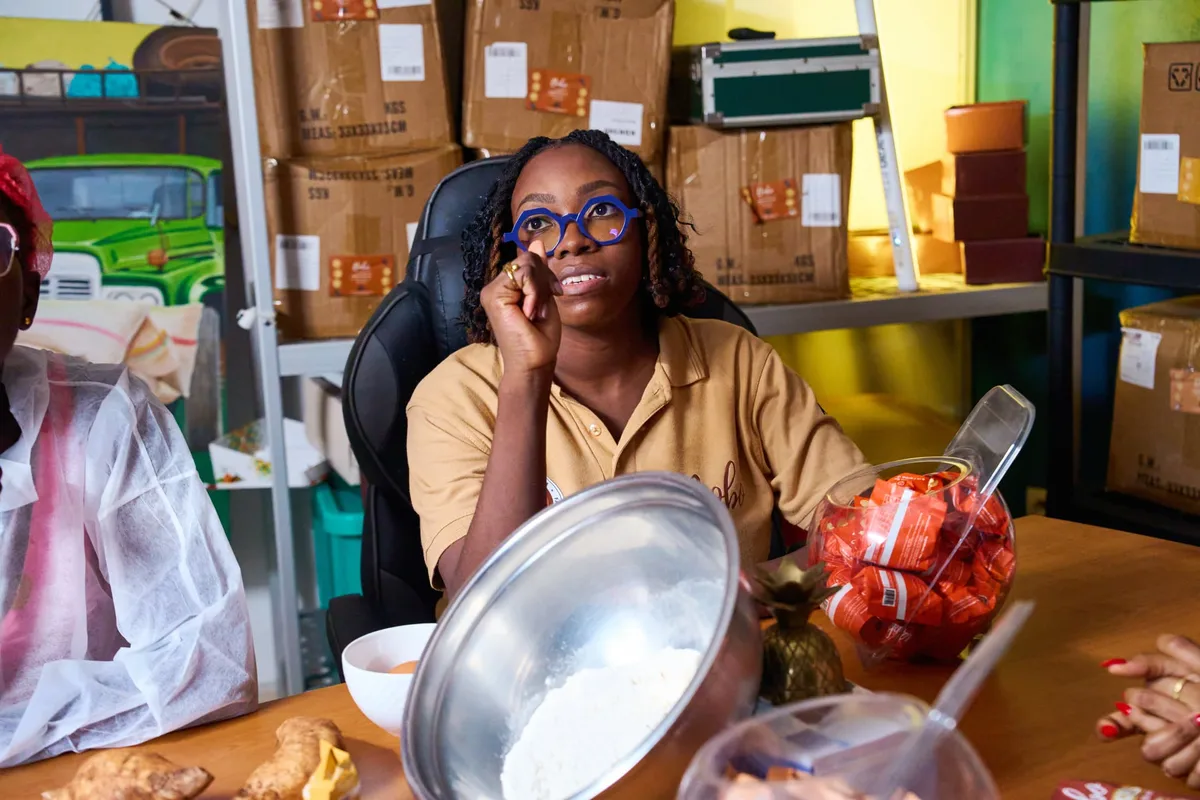
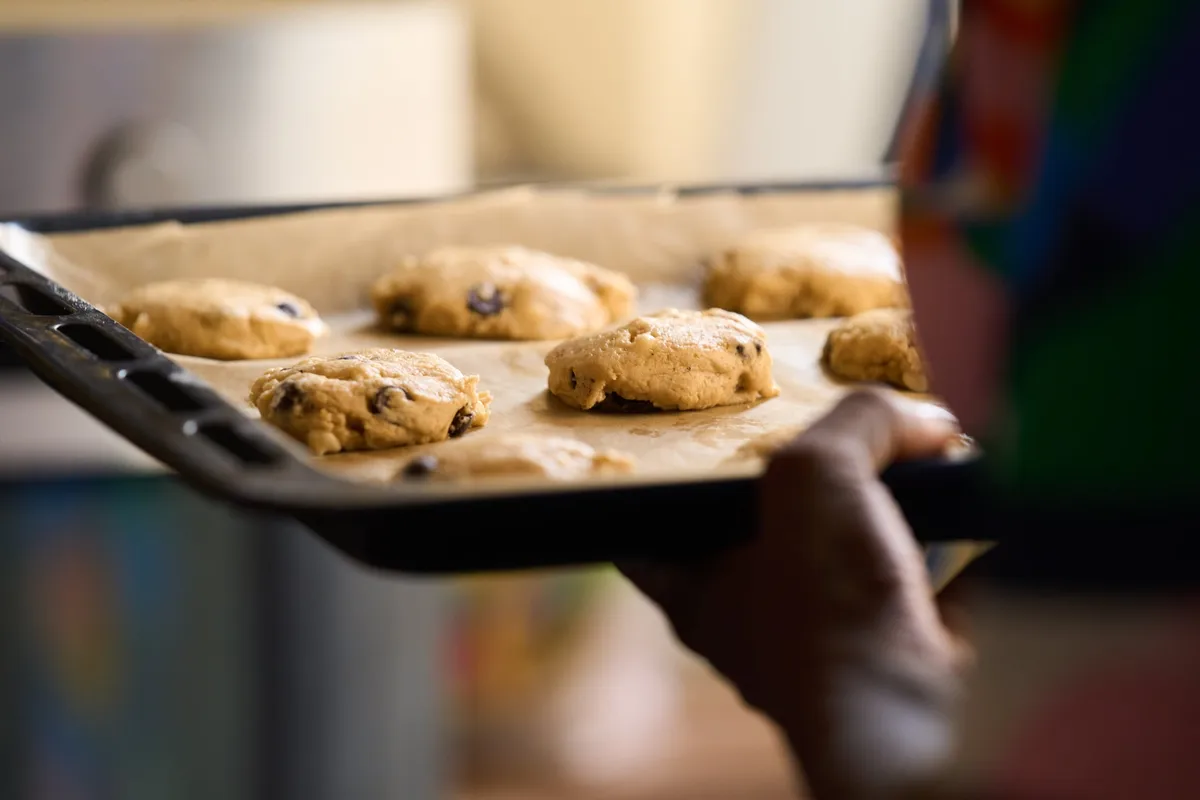
Biscuiterie Bobo then bakes this flour into biscuits. Its high-quality recipes avoid the colorings and preservatives relied on by its competitors. As a result of using alternative flours, many of its products are also free from gluten, making them accessible to more consumers. Alongside selling biscuits and similar baked goods under its own name, the business engages in private label manufacturing for major retailers and also sells its flours.
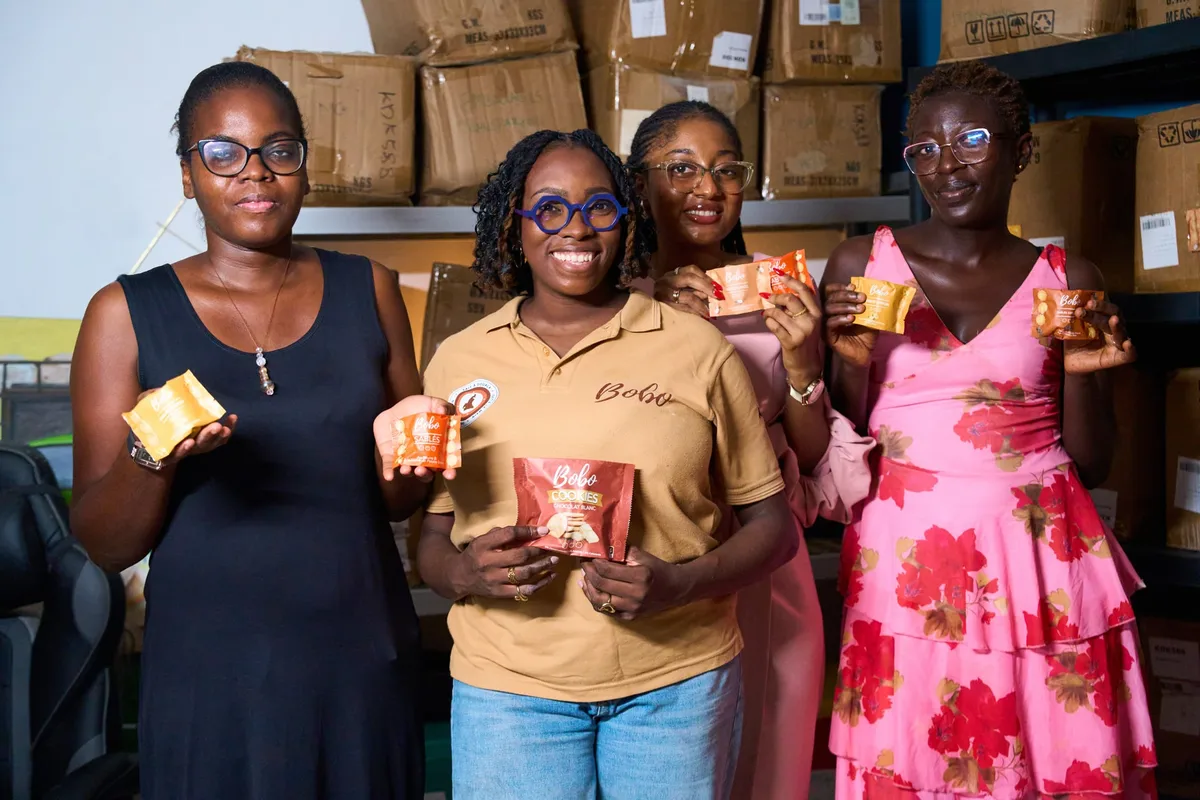
Many of Biscuiterie Bobo’s employees are young women in vulnerable situations, often without much career experience. Adeline and her team invest considerable time on training and skills development to help these women grow their expertise and self-confidence. Many progress within the business. For example, one young woman joined the biscuit production team as her first employment experience and now plays a significant role in Biscuiterie Bobo’s marketing.
“Though I had a stable career in investment banking in Paris, I returned to Cameroon to prove that women in Africa can lead world-class businesses rooted in local innovation.”
A snack market that strengthens communities
Over 100 direct and indirect new jobs now exist thanks to Biscuiterie Bobo, with women constituting 60% of its workforce. It now sells thousands of packets of biscuits and cakes each month, including in markets beyond Cameroon such as Senegal and Côte d'Ivoire, and is moving to a larger production facility to keep up with demand.
Despite this growth, Biscuiterie Bobo still sources more than 80% of its raw materials locally, turning everyday snacks into a driver of economic opportunity and food sovereignty.
“By transforming local crops, we create dignified jobs and stronger communities.”
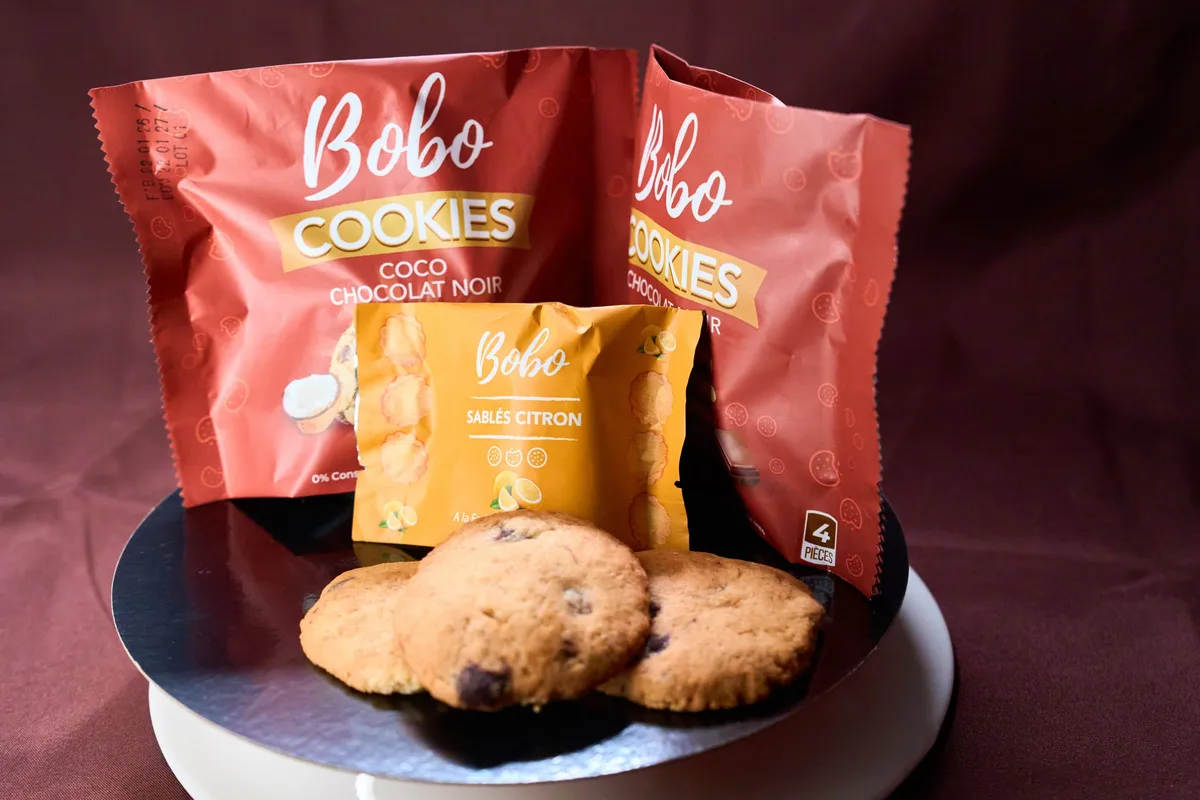
PHOTO GALLERY