Fellow Portrait
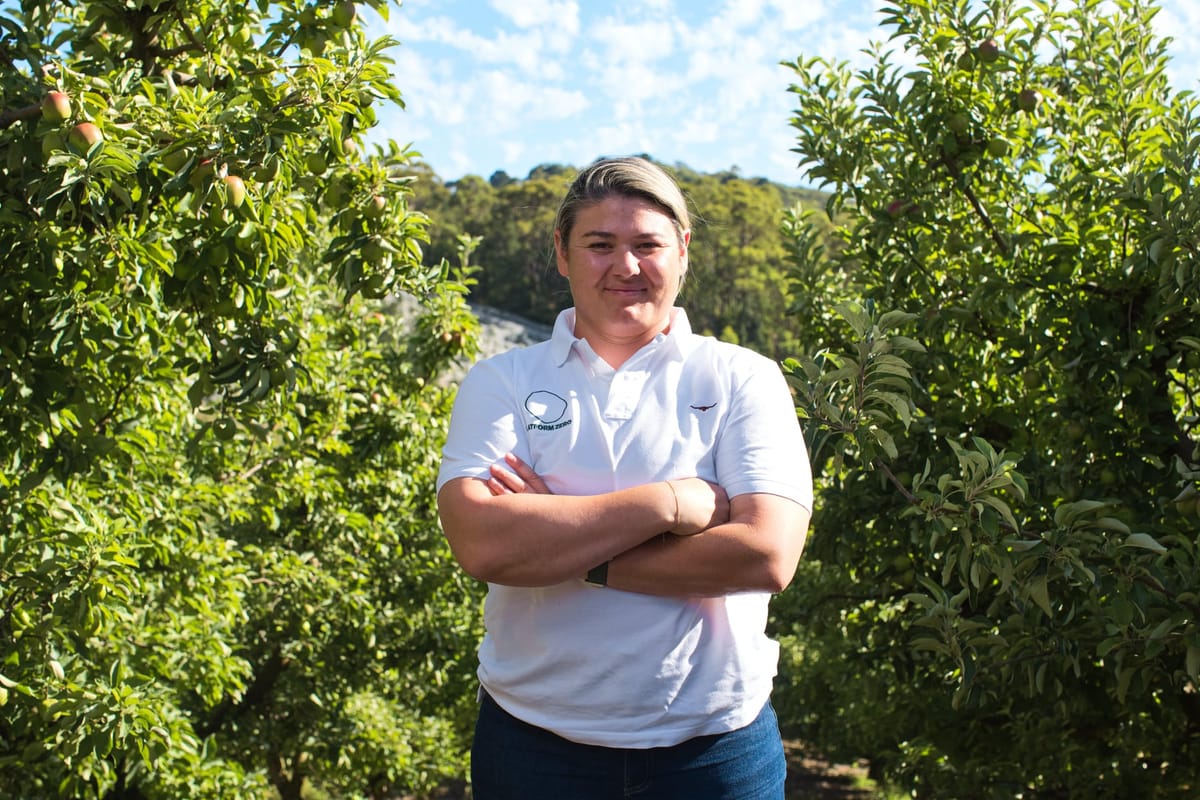
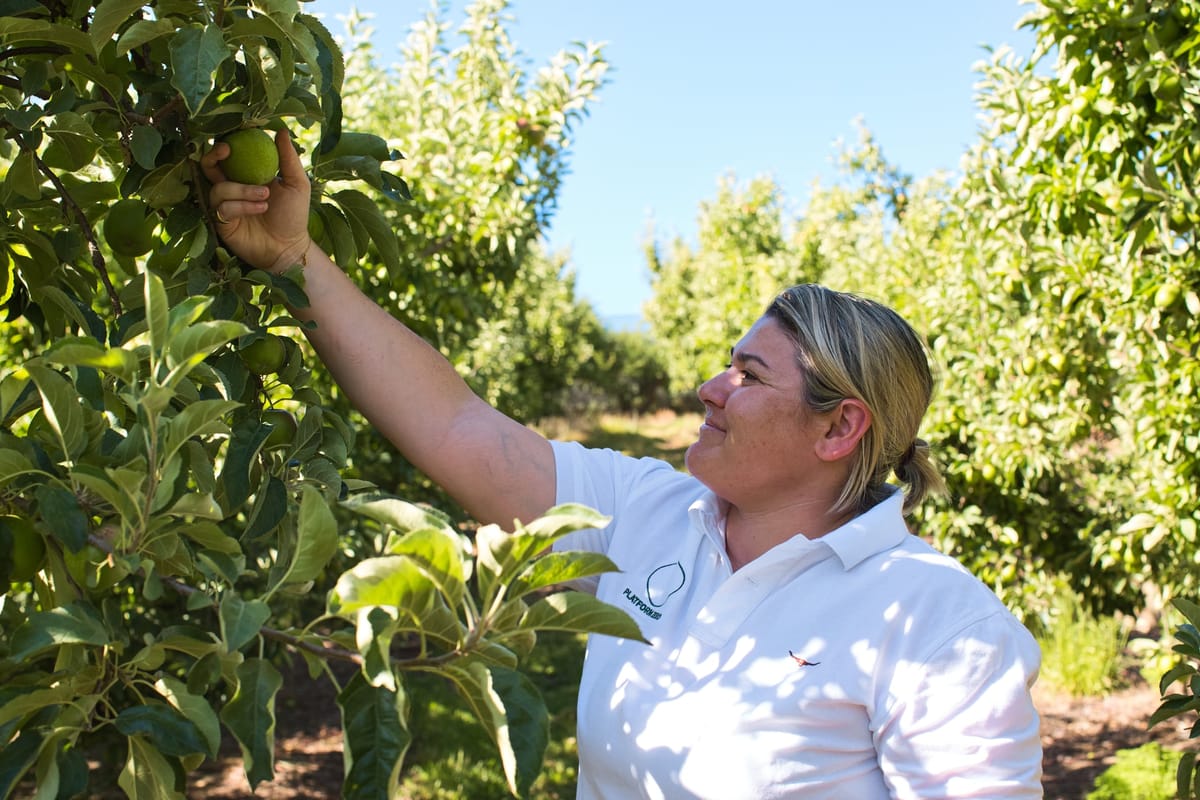
Alexandra Cannizzaro
Platform Zero
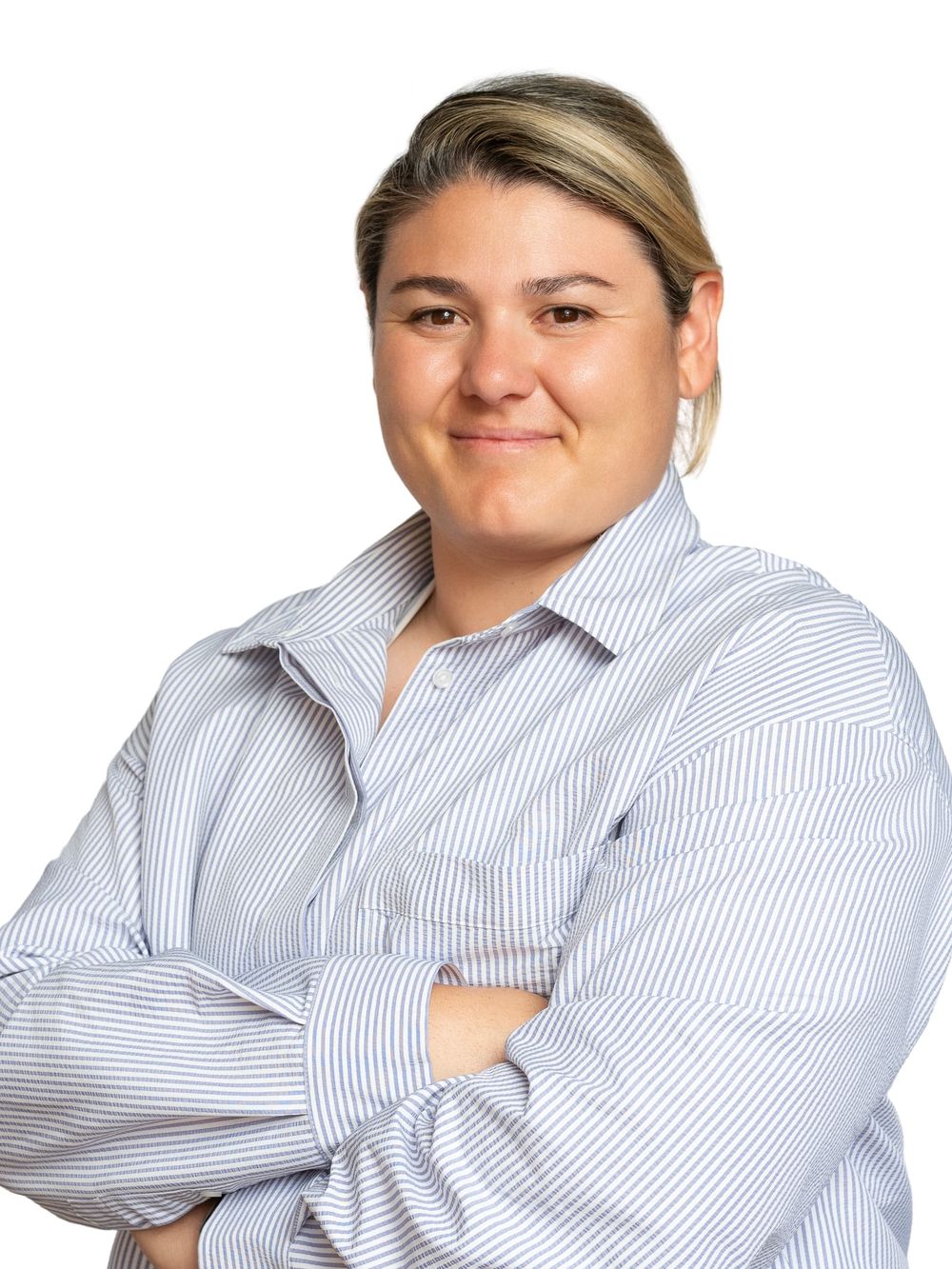
Platform Zero is a digital marketplace helping growers and wholesalers sell fresh produce faster to reduce food waste from farm to plate.
.svg?&quality=80&auto=webp&width=200)
Oceania
Australia
.svg?&quality=80&auto=webp&width=200)
Fellow
2026
Updated March 2026
Food waste carries a cost to the planet and to livelihoods
Globally, 20% of food is wasted each year, causing up to 10% of annual global greenhouse gas emissions – nearly five times those of the aviation sector. Fresh produce such as fruit and vegetables accounts for the highest losses — as much as a quarter — with much of this waste stemming from outdated supply chains that cannot move food fast enough. Its final stop is almost always landfill.
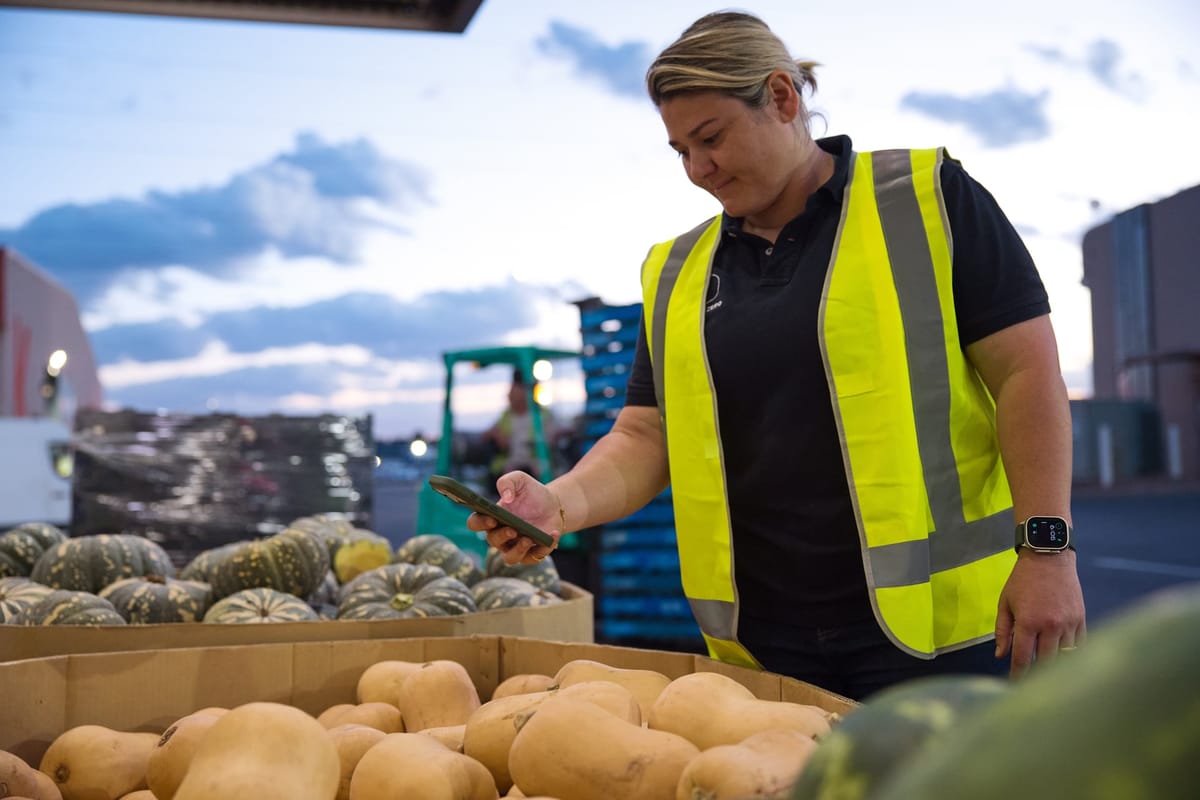
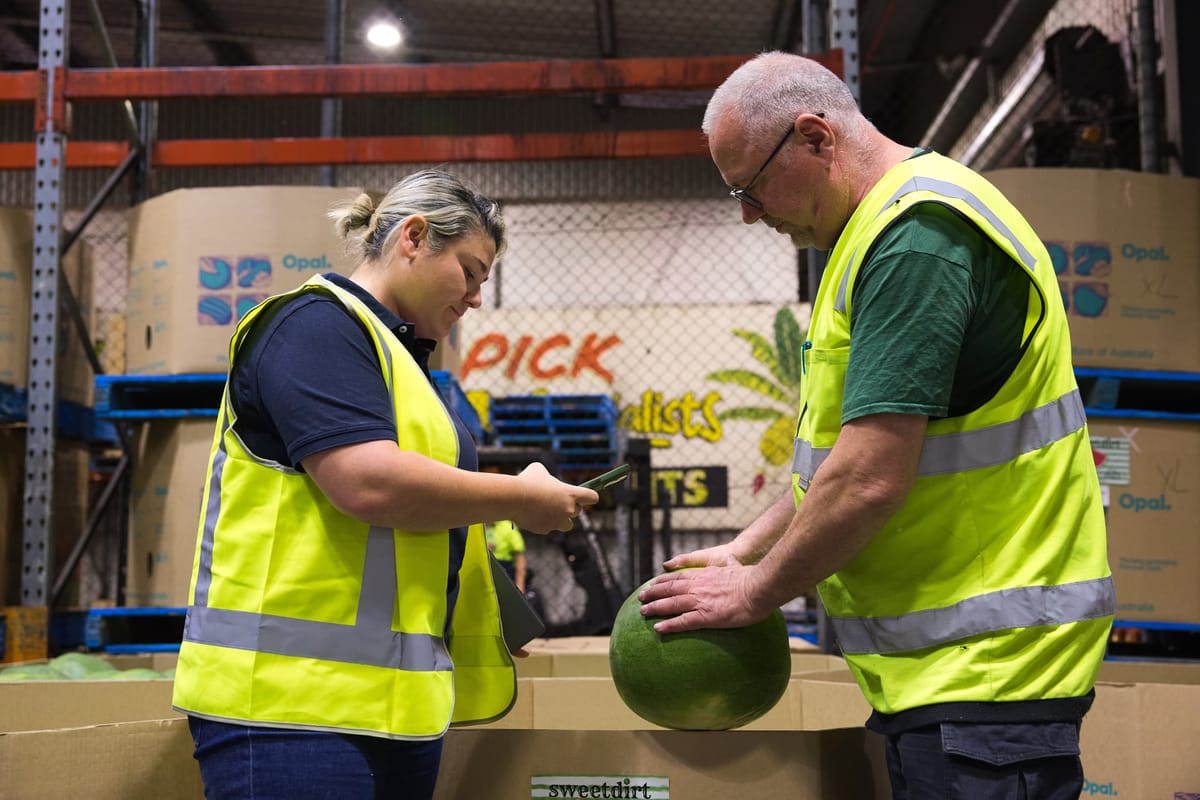
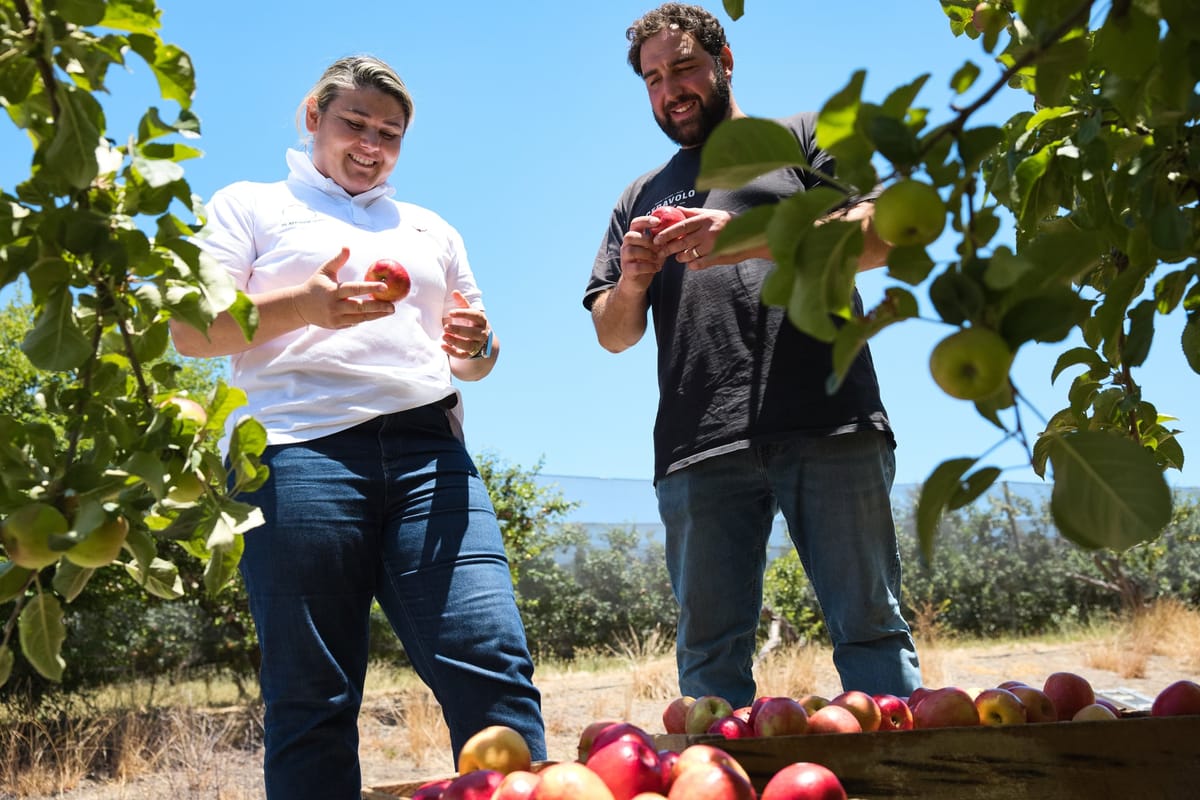
Alexandra Cannizzaro’s family runs one of Australia’s largest produce wholesale businesses. She describes the daily cycle: “Farmers deliver produce to wholesalers at night, who must sell it to restaurants and retailers by a fixed time the next day. Anything unsold is binned.”
Repeated worldwide, this pattern fuels emissions — methane from rotting food is a major driver of global warming — and misses a golden opportunity to support struggling businesses. Because with food waste valued at more than $900 billion USD, unsold produce and rising costs are pushing growers, wholesalers and retailers to the brink.
Alexandra saw this contradiction up close. While her family’s business regularly lost income on unsold, premium-quality food, she was running a juice bar and feeling the pressure of rent, wages and increasingly expensive fruit.
Platform Zero was her solution.
“I’ve seen firsthand the sheer quantity of produce being thrown out every single day because it didn’t have a buyer in time. It’s heartbreaking. And it’s not just the waste — it’s the environmental damage that our industry causes daily.”
Putting profitability and the planet back in suppliers’ hands
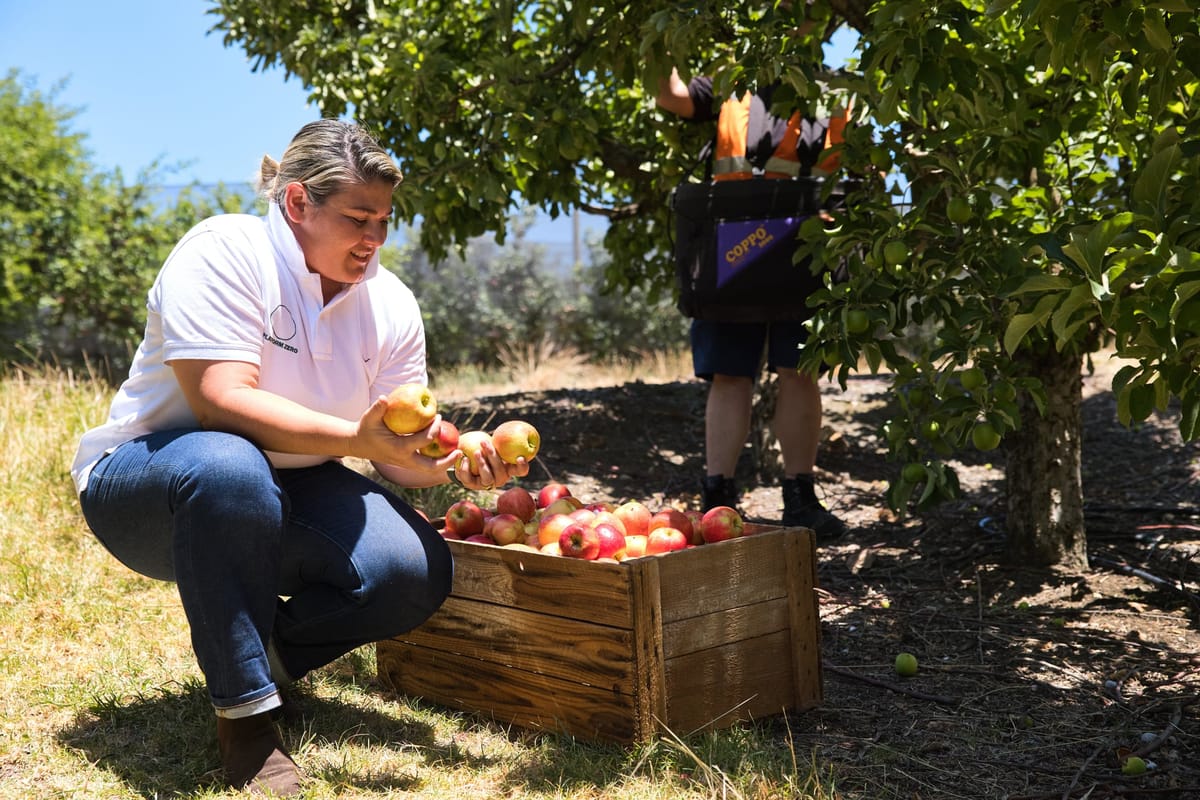
Alexandra launched Platform Zero in 2023, spotting an opportunity to replace cumbersome paper-based systems still common in agriculture with a digital marketplace that provides real-time visibility across the supply chain.
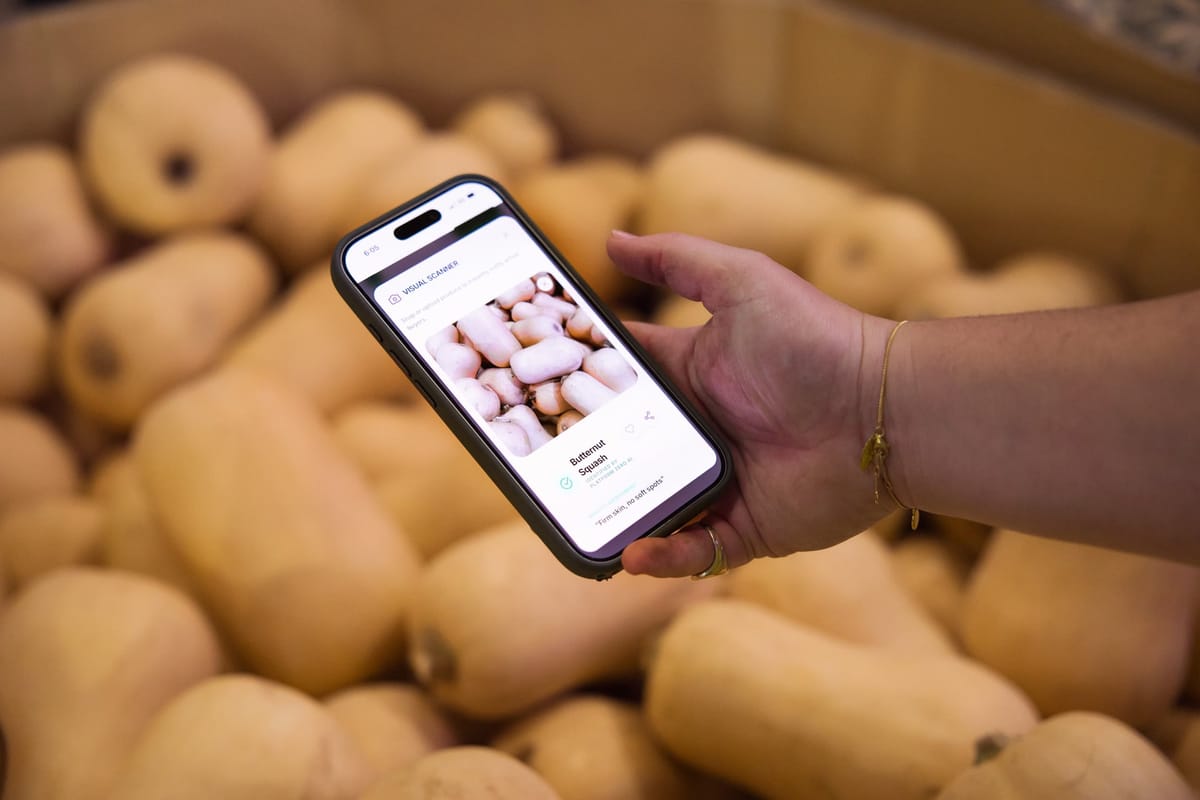
By providing a minute-by-minute snapshot of customers and their requirements, the platform enables wholesalers to reach far beyond their usual networks, selling to a wider pool of buyers and, in turn, reducing waste. Last-minute surplus, once bound for landfill, is redirected at steep discounts — often a quarter to half its original price — turning potential waste into savings for buyers and recovered value for wholesalers.
“We’re giving growers and wholesalers instant digital control,” says Alexandra. “With a tap, they can access verified buyers, see real-time inventory and move stock before it’s wasted.”
Beyond daily savings, this visibility has the potential to reshape how the industry understands itself, reducing inefficiencies and, by extension, planetary harm. For the first time, Alexandra explains, Platform Zero enables produce to be mapped and measured across the entire supply chain. “Right now, there’s no real data in the fresh produce industry. We don't know how much water we’re using, what materials are being consumed, what’s grown, sold or wasted and, most importantly, why waste is happening. By digitizing the industry and connecting it as a whole this is generating untapped data straight from the source — from the farms, wholesalers and throughout the supply chain — meaning we can finally understand where the inefficiencies are.”
“My mission is to keep produce moving and out of landfill because every product we save from waste means less environmental damage and a smarter, more sustainable future for the entire industry.”
Saving food, cutting emissions, supporting livelihoods
Each day, Platform Zero diverts 1.41 metric tons of produce from landfill, saves nearly 50 liters of water and avoids more than 37 metric tons of carbon emissions. As the business scales, Alexandra anticipates that those daily figures will rise significantly to almost 17,000 liters of water, 500 metric tons of food and 13,000 metric tons of emissions.
Looking ahead, she is also excited by the potential to extend the model beyond fresh produce to other industry sectors challenged by surplus: from fashion and construction to pharmaceuticals.
Additionally, she sees an opportunity to address the very human cost of food waste at a time when many struggle to eat well due to poverty and climate stress. “With billions of tons of food going to waste and millions going hungry,” she suggests, this could mean bringing charities, shelters and food-insecure communities under Platform Zero’s umbrella, ensuring the value of saved food reaches those who need it most.
“This is bigger than food waste. It’s about fixing a broken system, protecting our environment and making sure there’s a future for the next generation of growers, wholesalers, food businesses and the planet.”
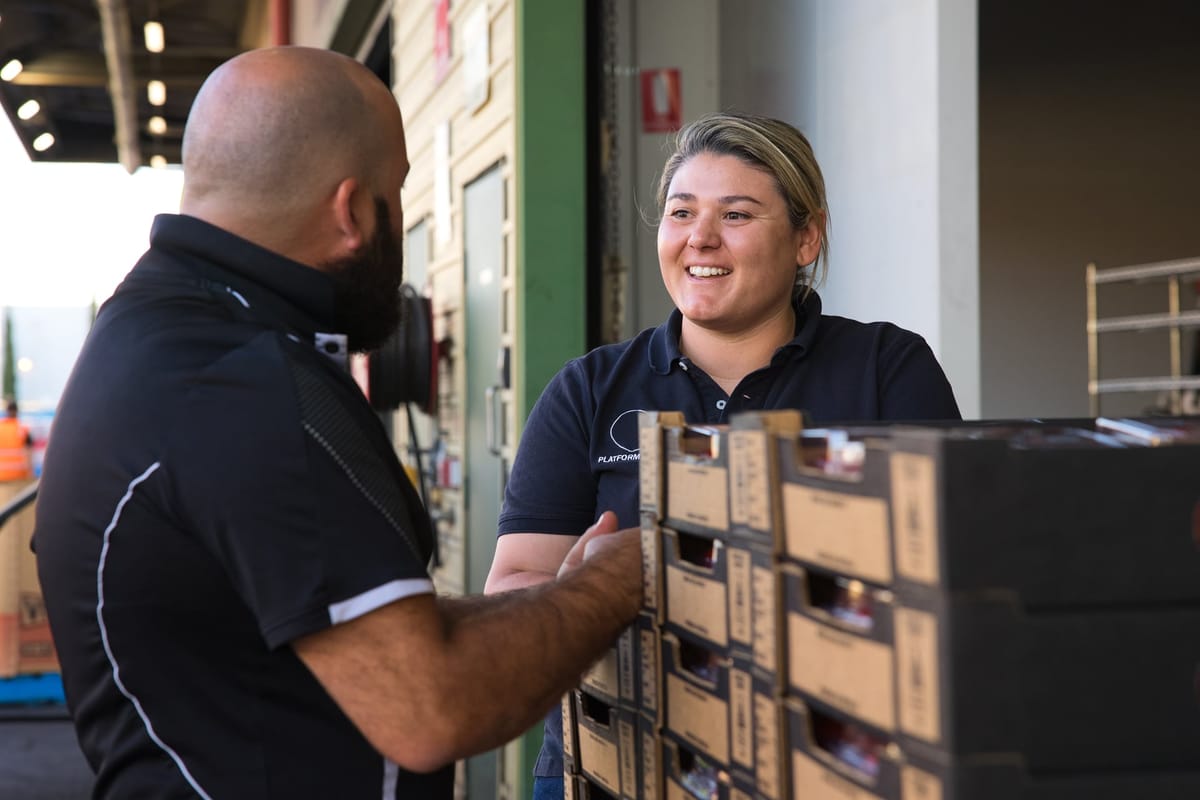
PHOTO GALLERY