Fellow Portrait
Angela Ursem
Food for Skin

Food for Skin is a Dutch skincare brand creating 100% natural, plant-based products with a transparent, low-impact production chain.
.svg?&quality=80&auto=webp&width=200)
Europe
Netherlands
.svg?&quality=80&auto=webp&width=200)
Fellow
2026
Updated March 2026
Sustainable, ethical and effective skincare is hard to find
The skincare world is vast and complex. Most consumers feel overwhelmed by unclear claims, questionable ingredients and pressure to buy more. Many factor ethical and sustainability concerns into their purchasing decisions to some degree, seeking cruelty-free and environmentally sound products alongside affordability and efficacy. However, it can be challenging and time-consuming to meet all these needs at once. Equally, it is difficult to trust whether a brand’s lengthy 12-step routine is really necessary, or created to sell more products.
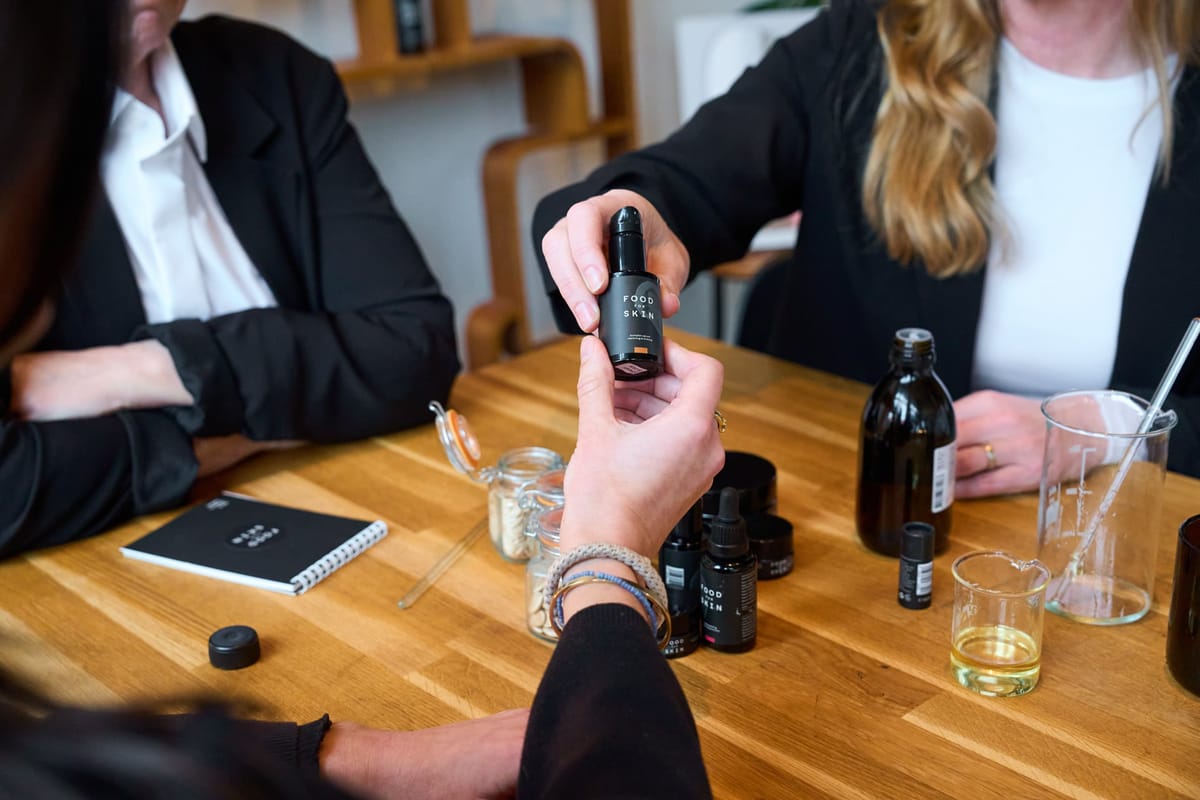
Angela Ursem was one of those overwhelmed consumers, looking for skincare that would tick all her boxes and unable to find it. She vented her frustrations to her skin therapist sister Cathy, who had owned a beauty salon for 30 years. Cathy had spotted a different gap in the market — she increasingly saw customers with skin problems but struggled to source gentle, effective and safe products that she could recommend to them or use in their treatments.
The duo saw an opportunity to create a skincare brand that balances “clean, green and lean” — natural products with environmentally friendly production designed to combat skincare overconsumption.
“Our mission is to make people feel confident in their skincare, lifting the mental load of wondering what is right for their skin and the planet.”
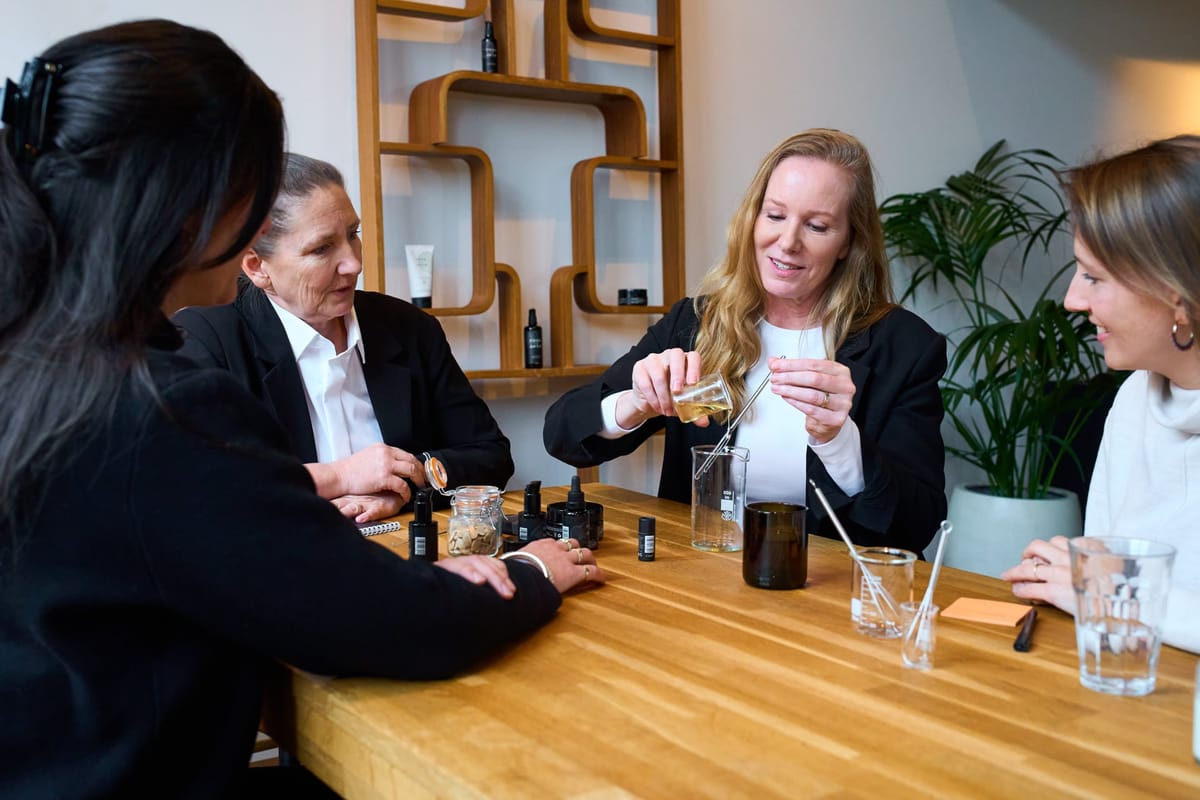
Natural products made from upcycled food waste
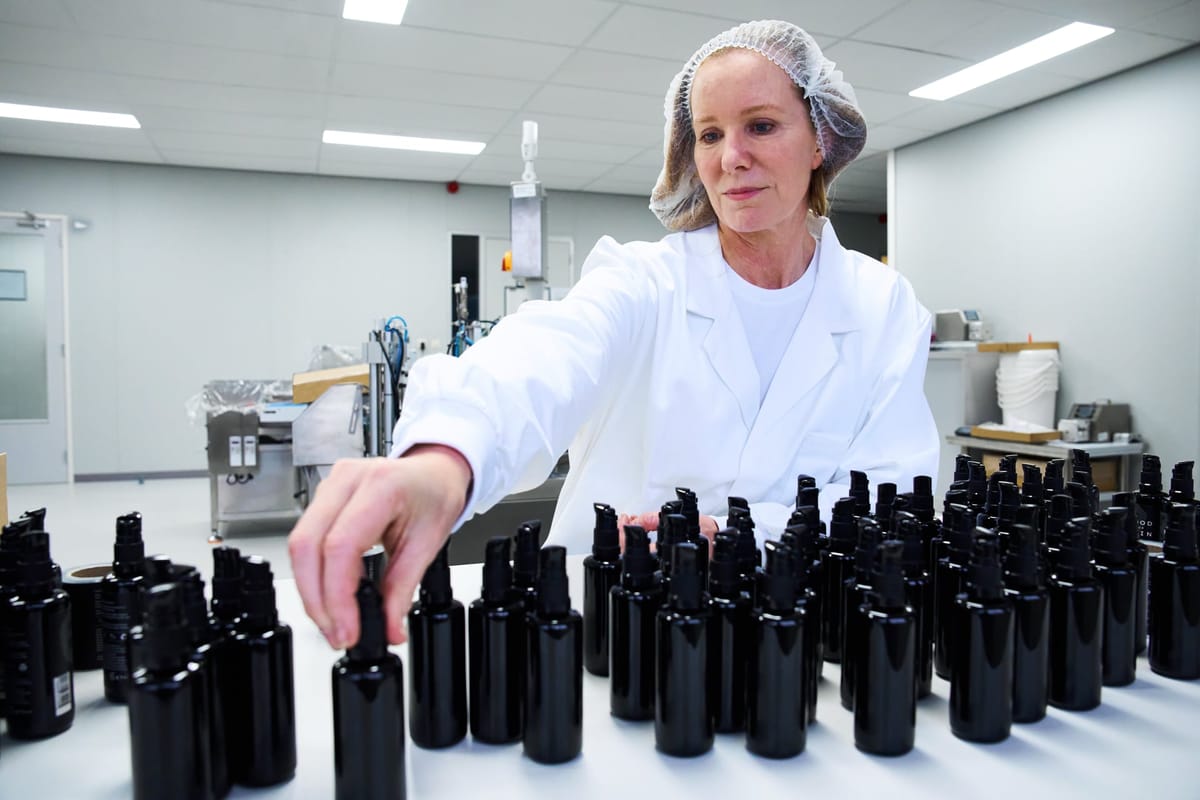
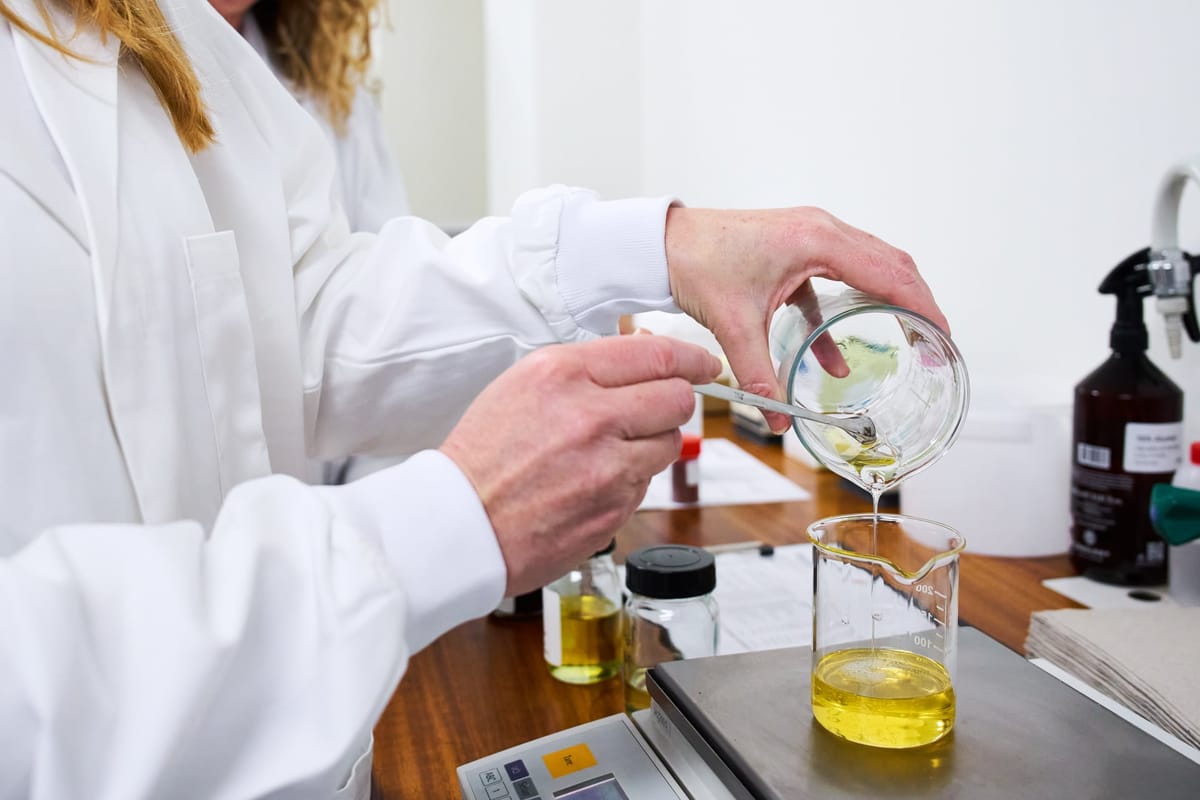
Based in the Netherlands, Food for Skin produces premium, natural and vegan skincare that is designed to honor both people and the planet. B Corp-certified, the company produces locally and prioritizes recycled and minimal packaging. Its products use only components that truly support the skin, with 40% of ingredients upcycled from food industry leftovers. It also avoids synthetic inputs that cannot dissolve in nature, which are surprisingly common in conventional beauty ranges, focusing instead on 100% biodegradability.
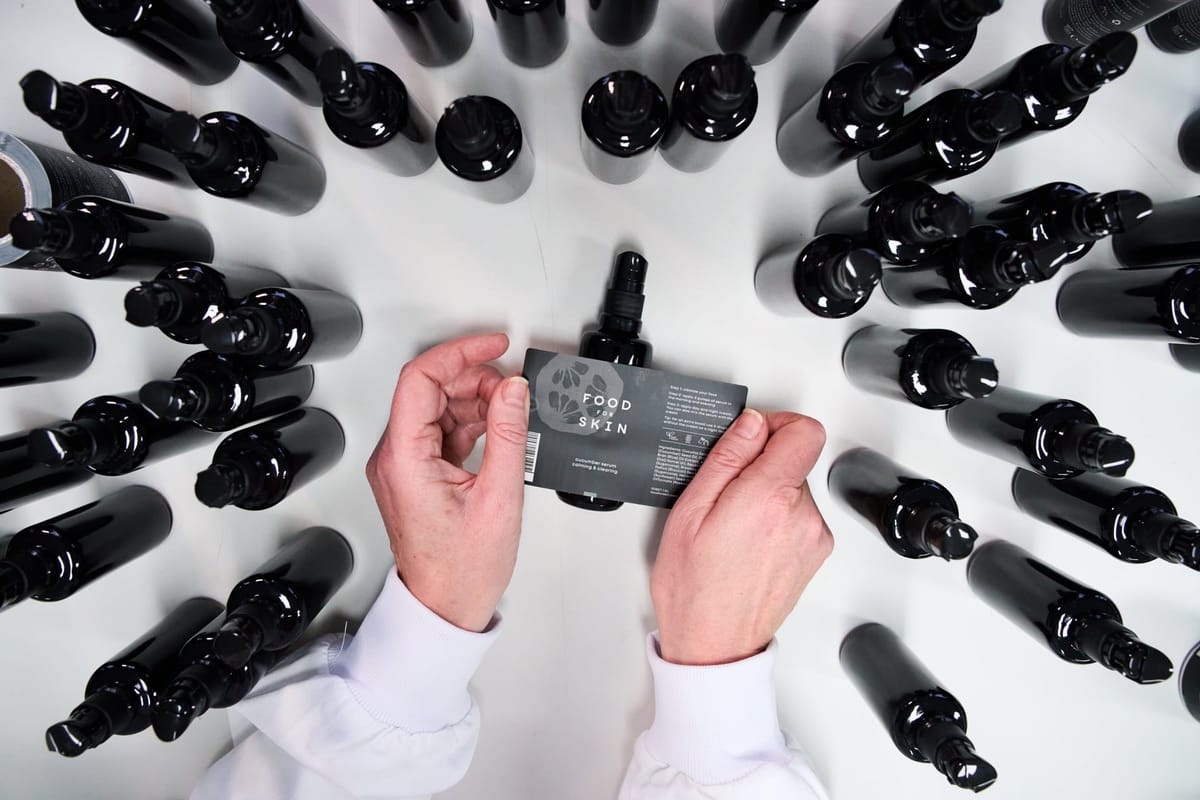
Its bestselling products include a tomato-based cream, incorporating unused tomato seeds from pasta sauce supply chains, a pumpkin serum and a carrot cleanser. The products are all designed to work together in a simple three-step routine, reducing decision-making and mental load for consumers, as well as saving bathroom shelf space.
Angela’s dedication to sustainability was reinforced by seeing the Climate Clock in Times Square, New York, ticking down toward the critical deadline for taking action to limit global warming to 1.5 degrees Celsius. It sparked her deep desire to contribute to climate action.
She had built up significant brandbuilding experience from previous corporate roles, including leading marketing at Heineken, Tony’s Chocolonely and Nike — experience that primed Food for Skin for success. Its status as a direct-to-consumer brand provides the opportunity to engage directly with consumers to understand — and meet — their needs. The business is characterized by a deep respect for its customers and the resulting radical transparency in how it communicates to them, with complete honesty about ingredients, efficacy claims, sustainability and how the business operates.
“We want to expand across Europe and be seen as a trailblazer in responsible cosmetics.”
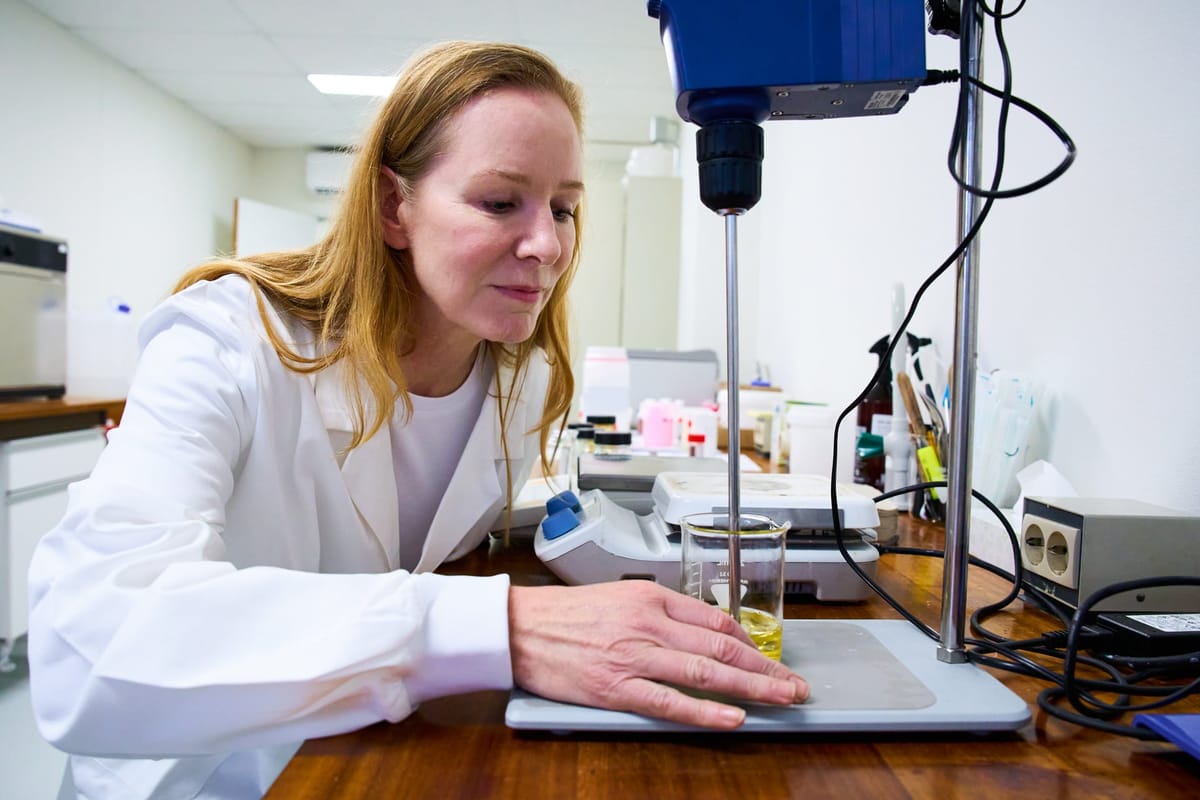
Proving that responsible cosmetics can come without compromise
The business provides a shining example of how women-led impact businesses are changing the face of entrepreneurship — Food for Skin was co-founded by three women and has since welcomed two more to its team of five. In addition, two of its three main suppliers are woman-led.
Over four years, Food for Skin has reduced carbon dioxide emissions by 30% compared to conventional products and cut packaging by 40%. Its flagship product, the tomato-based moisturiser, won two first-place trophies for product quality at the Dutch Beauty Awards, proving that skincare can be both effective and genuinely sustainable.
“We didn't care that the skincare space was already super crowded; we wanted to prove that it can be done in a better way. We hope to see big corporations start copying us because it will help us achieve even more impact.”
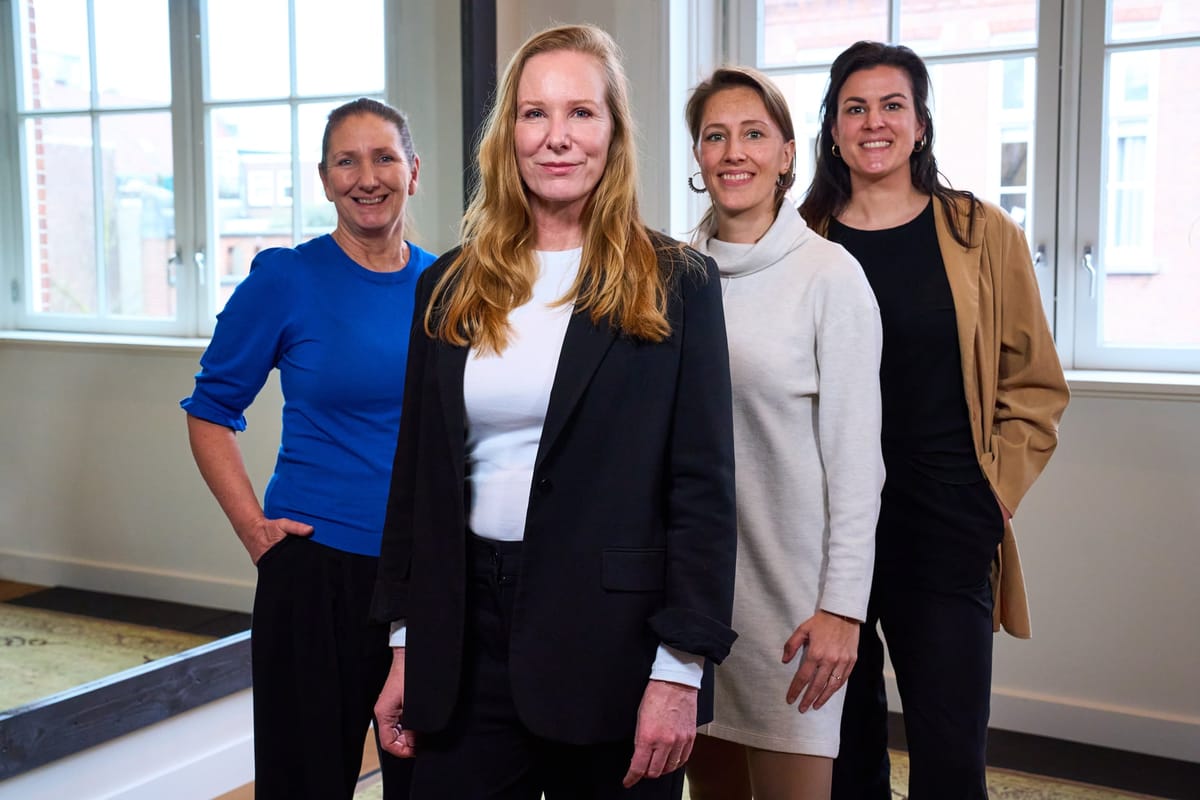
PHOTO GALLERY