Fellow Portrait
Céleste Tchetgen Vogel
eWAKA

eWAKA is an electric mobility and logistics platform strengthening last-mile delivery across Africa.
.svg?&quality=80&auto=webp&width=200)
Anglophone and Lusophone Africa
Kenya
.svg?&quality=80&auto=webp&width=200)
Fellow
2026
Updated March 2026
Access gaps in urban mobility and last-mile logistics
In many African cities, young people, women and informal workers seeking delivery work face high barriers: fuel-powered motorcycles are costly to acquire and operate, licensing requirements are restrictive and income remains volatile. At the same time, small businesses struggle with unreliable, fragmented logistics.
Born and raised in West Africa, Céleste Tchetgen Vogel left Cameroon at 15 to pursue her studies in the United States. After completing her law degree, she moved to Switzerland, where she lived for over two decades while working as a corporate and finance lawyer. She loved her job, but in the background she felt a nagging lack of fulfillment.
On a trip across several West African countries with her Swiss-raised children, she fielded many questions about air pollution and the lack of clean mobility options like electric bikes or electric motorbikes. The conversations stayed with her. Not long afterwards, she left her corporate job, driven by a deep desire to become part of the solution.
The turning point came when Céleste started mentoring entrepreneurs at an Aiducation International start-up academy in Nairobi. During this period, she met Jimmy Tune, whose experience in running delivery operations complemented her background in finance and law. Together, they founded eWAKA to address structural gaps in last-mile logistics.
“eWAKA creates opportunities by enabling underserved groups — especially women, youth and informal vendors — to participate in the digital economy.”
A rider-first electric fleet model
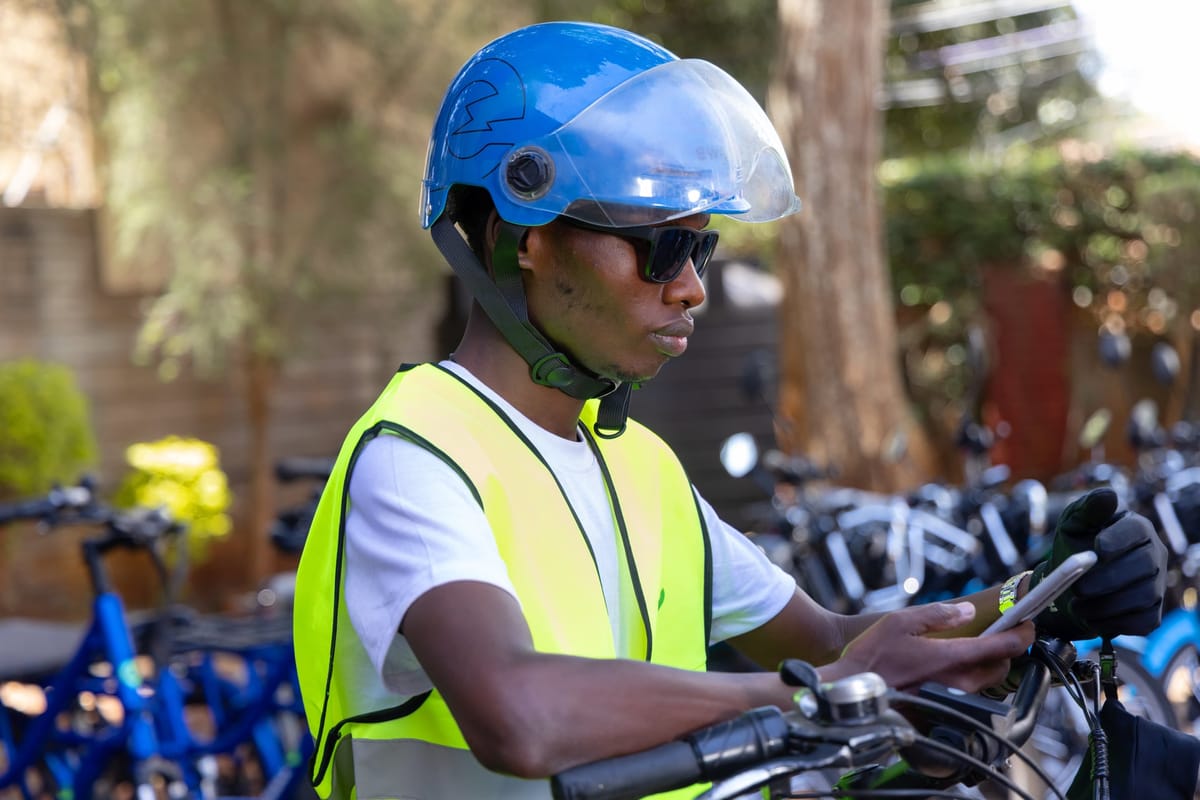
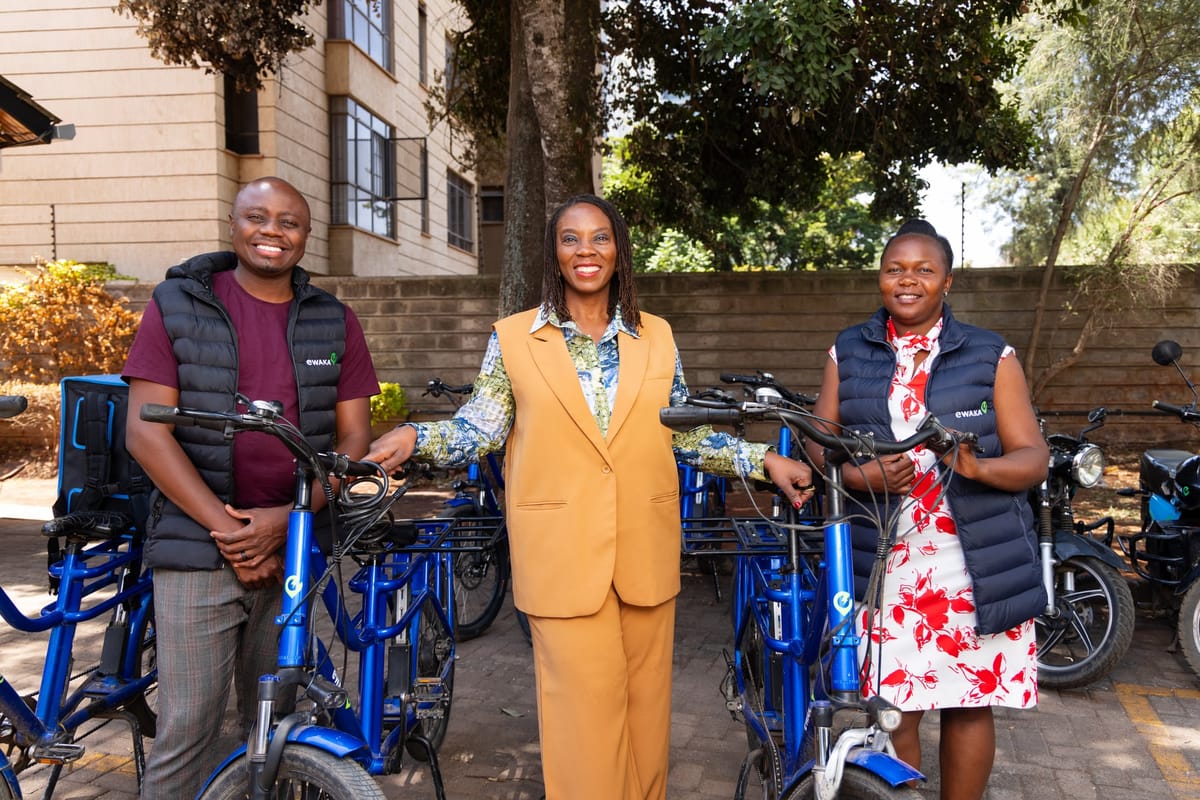
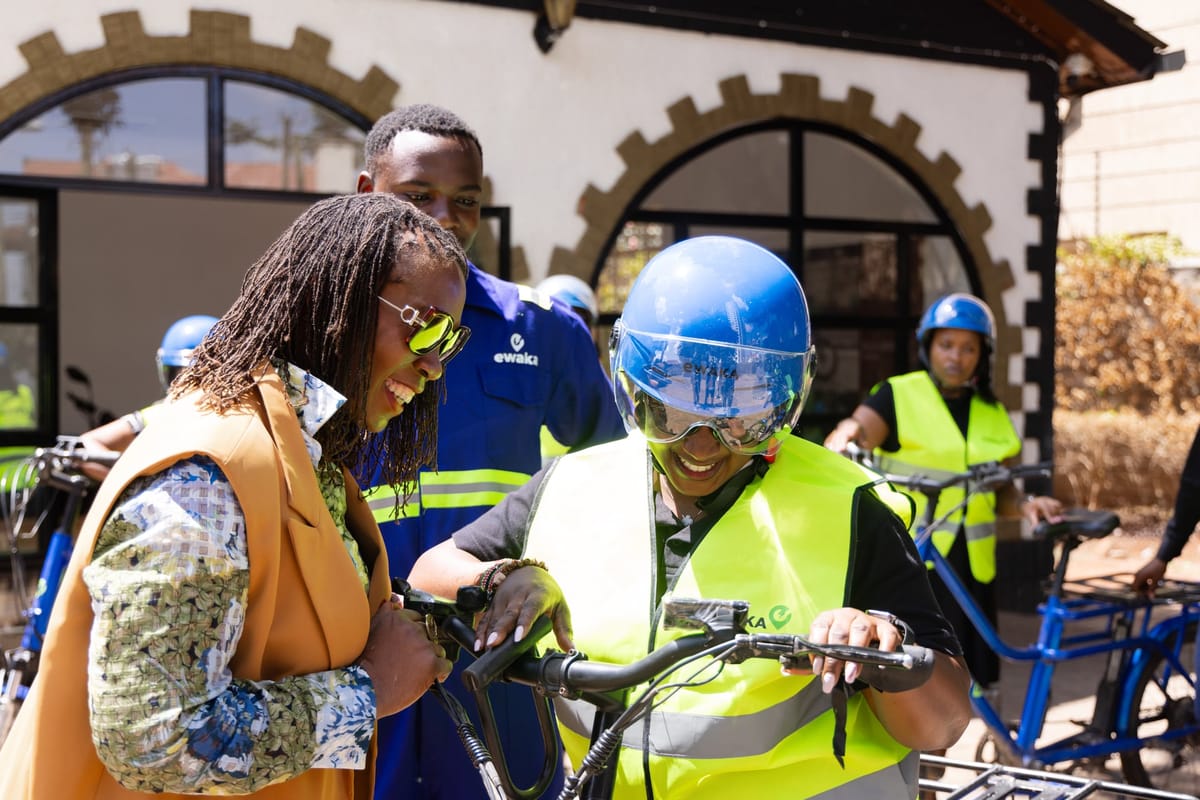
Their electric mobility and logistics platform eWAKA deploys and manages e-bikes integrated with rider training, maintenance, charging, theft protection and digital fleet management. By professionalizing delivery operations, it enables riders to earn stable income from day one while improving service reliability for businesses.
The business was born from Céleste’s desire to expand access to economic opportunities through e-mobility — a vision reflected in the company’s name. As she explains, “We chose the name eWAKA because it carries a beautiful meaning across Africa. In Swahili, ‘waka’ means to ignite. In West Africa, ‘waka’ means to move. eWAKA sits at that intersection: electric mobility that both moves people and ignites economic opportunity across the continent.”
She launched in Kenya where a 90% renewable electricity grid combined with rapid technology adoption and a vibrant entrepreneurial culture provided fertile ground for her innovative sustainable transport solution.
Unlike traditional vehicle leasing or logistics platforms, eWAKA bundles its license-free e-bikes with everything a rider needs to get started. This removes the cost and complexity barriers that keep women and youth out of the delivery economy, providing them with a new livelihood opportunity.
As well as working with riders, eWAKA also partners with vendors who have traditionally been excluded from online sales. These are often informal traders or microentrepreneurs. They range from a roadside egg seller to a farmer, or even a small grocery store. Many of these vendors are shut out from selling via traditional platforms like Uber or Bolt because of high fees, but still want the opportunity to participate in the digital economy. eWAKA onboards the vendors with training to help them become comfortable with receiving online orders from customers and dispatching them using eWAKA riders.
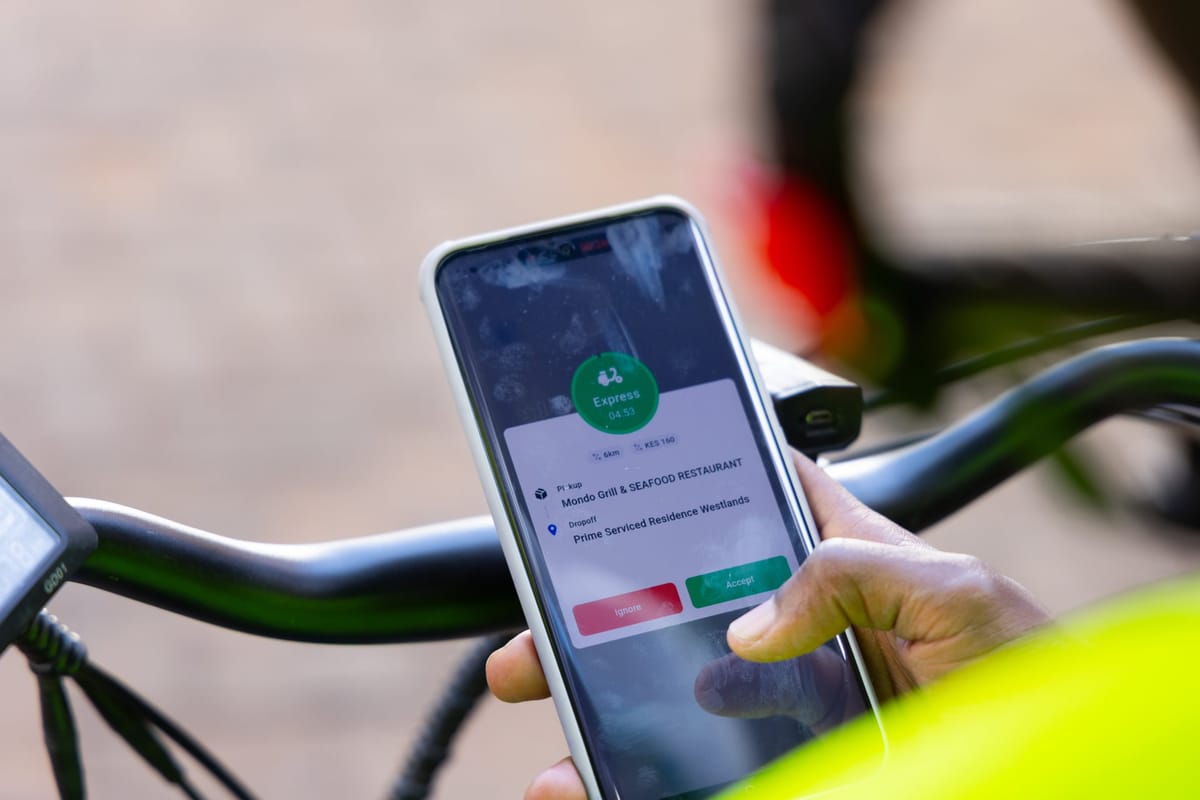
Through data analysis and dynamic allocation, eWAKA is able to accurately predict demand and allocate its riders to the necessary areas accordingly. Riders can be assigned to specific vendors, which can help them find work that suits their schedule — for example, a mother can request to be assigned to a vendor whose opening hours fit around her childcare responsibilities.
eWAKA benefits riders by connecting them with convenient, stable work, vendors by supplying a reliable, cost-effective delivery service, and customers who receive their goods in a timely manner. Its solution also has a significant environmental benefit. For every kilometer its e-bikes travel in lieu of a petrol motorbike, over two kilograms of carbon dioxide emissions are avoided. Reduced transport emissions also improve local air quality and therefore public health.
“eWAKA is building a rider-first, electric mobility ecosystem designed for Africa.”
Scaling green jobs and clean logistics
The impact extends beyond individual riders: more than 1,480 green jobs now support over 3,036 family members, while more than a million deliveries have avoided 22,000 metric tons of carbon dioxide emissions, demonstrating how well-managed electric logistics can deliver both economic opportunity and climate impact.
Since launching in Kenya, eWAKA has expanded across Rwanda, Malawi, Burundi and the Democratic Republic of the Congo. Looking ahead, Céleste has ambitious growth plans that include entering further African markets to bring eWAKA’s sustainable mobility solution to tens of thousands more riders, vendors and customers.
“By combining mobility, fintech and training, we go beyond moving goods — we are moving people toward economic freedom and climate resilience.”
PHOTO GALLERY