Fellow Portrait
Cristina Campero Peredo
PROSPERiA

PROSPERiA uses artificial intelligence-enabled retinal screening for early detection of diseases that can cause blindness.
.svg?&quality=80&auto=webp&width=200)
Latin America and the Caribbean
Mexico
.svg?&quality=80&auto=webp&width=200)
Fellow
2026
Updated March 2026
Millions of people experience preventable blindness
According to 2023 United Nations figures, 2.2 billion people worldwide have a vision impairment. For almost half, their vision could be saved if they had access to specialist diagnosis or care.
In Latin America alone, millions of people go blind each year from preventable conditions, including diabetic retinopathy and glaucoma. Cristina Campero Peredo lives in Mexico, which combines a very low ratio of ophthalmologists per member of the population with a high prevalence of diabetes and hypertension — illnesses that increase the risk of developing vision problems. Most people do not seek preventive eye care until they notice changes in their vision, by which point the issue is advanced and much harder to treat. Even more cannot access the care they need due to cost or lack of available specialists. As a result, diabetes blindness is the number one cause of disability in working-age adults in Mexico.
Out of this frustration, Cristina launched PROSPERiA.
“Our mission is to create cutting-edge solutions to make eye care as accessible as air.”
Using artificial intelligence to transform traditional eye screening
Founded in 2020, PROSPERiA is a Mexico-based healthtech company committed to improving early detection and access to quality care through artificial intelligence (AI). Its flagship product retinIA is an AI-powered platform that enables early diagnosis of vision-threatening diseases through fast, low-cost screenings available in primary care, optical retail and workplace health settings.
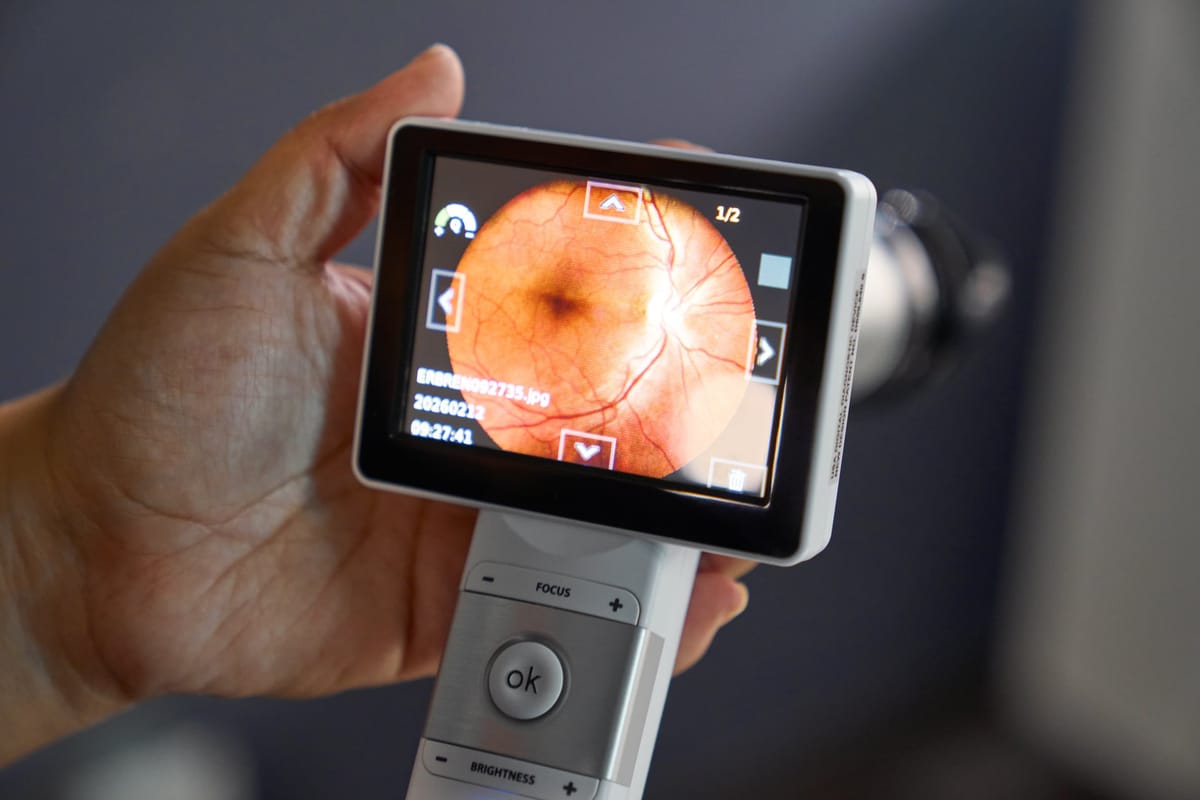
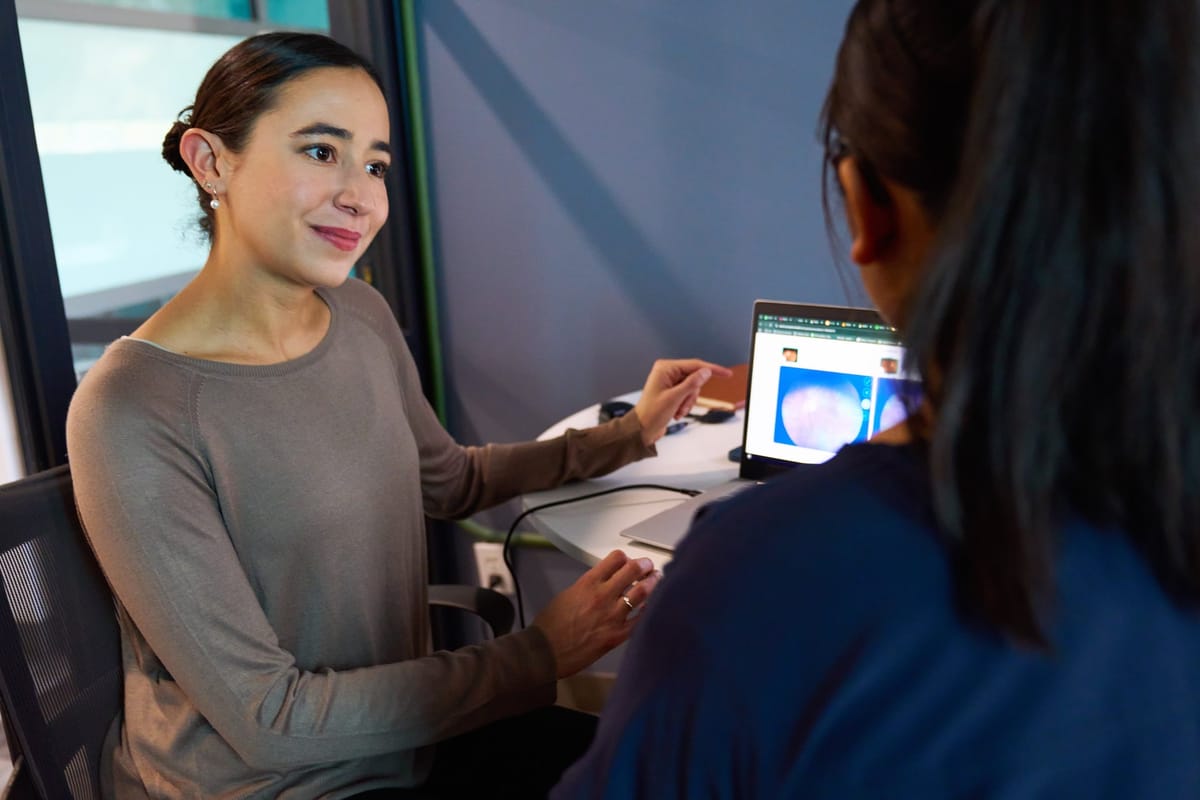
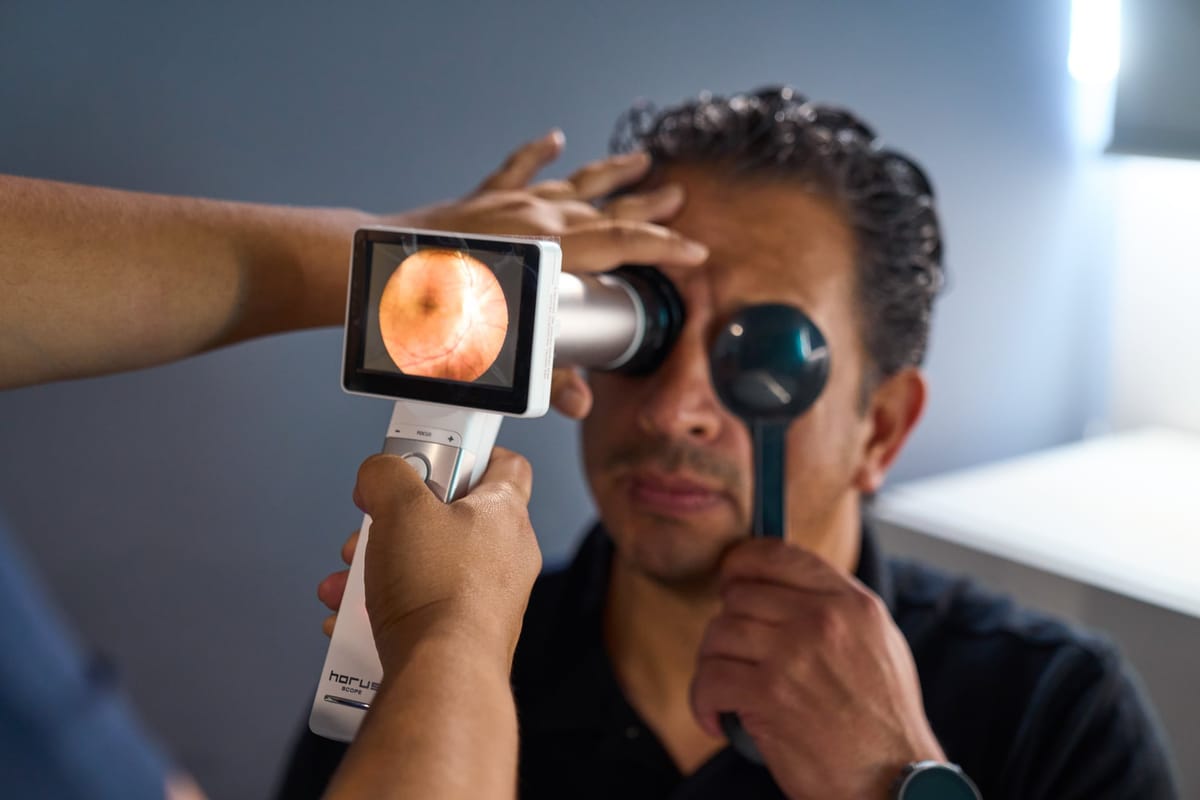
By boosting the speed and efficiency of ophthalmological screening, its technology allows the limited number of specialist doctors and scanning facilities to go further. Using a specialized camera, retinIA takes a picture of the inside of the retina and analyzes it with its machine vision algorithms. Patients receive a near-instant result with accessibly worded explanations of the findings and actionable reports that facilitate follow-up.
PROSPERiA strikes a careful balance between empowering the patient to pursue the necessary next steps and providing important information without causing fear or alarm. For 48% of its patients, this will be their first-ever visit to an ophthalmologist.
The business was born from a conversation between what would become its founding team, Cristina and her cousin Alejandro Noriega.
Cristina’s background is in biomedical biochemistry and pharmaceutical science. After her studies, she realized that she did not want to work in a laboratory, where she was disconnected from the impact of her work. After several years as a consultant at McKinsey, she pursued a bioscience enterprise master’s degree at Cambridge University, which first sparked the idea of building a startup. However, it was several years later, while discussing Alejandro’s postdoctoral studies in AI, that the concept of using the technology to improve access to healthcare in Mexico struck her.
The realization that they could build an algorithm to reduce the burden of diabetes in Mexico, well-known to Cristina from her public healthcare projects at McKinsey, was “very exciting, but very scary at the same time.”
“I feel very lucky that I had this business idea at the exact right point in my life. I already had some experience and I had no dependents so it was easier to take the financial risk. All the elements combined in order for me to be able to say, ‘Let’s give it all that we have and see what comes from it.’”
More than 150,000 patients empowered by improved healthcare access
Since its launch, PROSPERiA has grown to a team of 16.5 full- and part-time staff, of which 70% are women. Through partnerships including agreements with major pharmaceutical players such as Bayer and Roche, it has screened more than 150,000 patients — and found cause for concern in 78,000.
However, Cristina explains that the benefits of its solution go far beyond the results of the scan. She expands, “When you show a patient with diabetes or hypertension the picture of their eye, whether it’s healthy or showing some lesions, you create a mental connection. You enable the patient to understand that they have to take care of themselves, to take their medications, exercise and control their diet, to avoid vision loss. Ultimately, that knowledge and empowerment will help the patient control their condition and take charge of their health.”
Its retinal screening technology also has huge potential beyond detecting vision-threatening diseases. For example, PROSPERiA is developing an algorithm for cardiovascular assessment, based on the same photo of the retina as retinIA. By analyzing the body’s microvasculature — the small blood vessels that connect to every organ — its machine learning technology can determine risk factors for many different conditions.
In the years to come, AI technology has the potential to completely transform how healthcare is delivered. PROSPERiA promises to be at the forefront.
“We see the retina as a gateway to equitable health access and systemic disease prevention.”
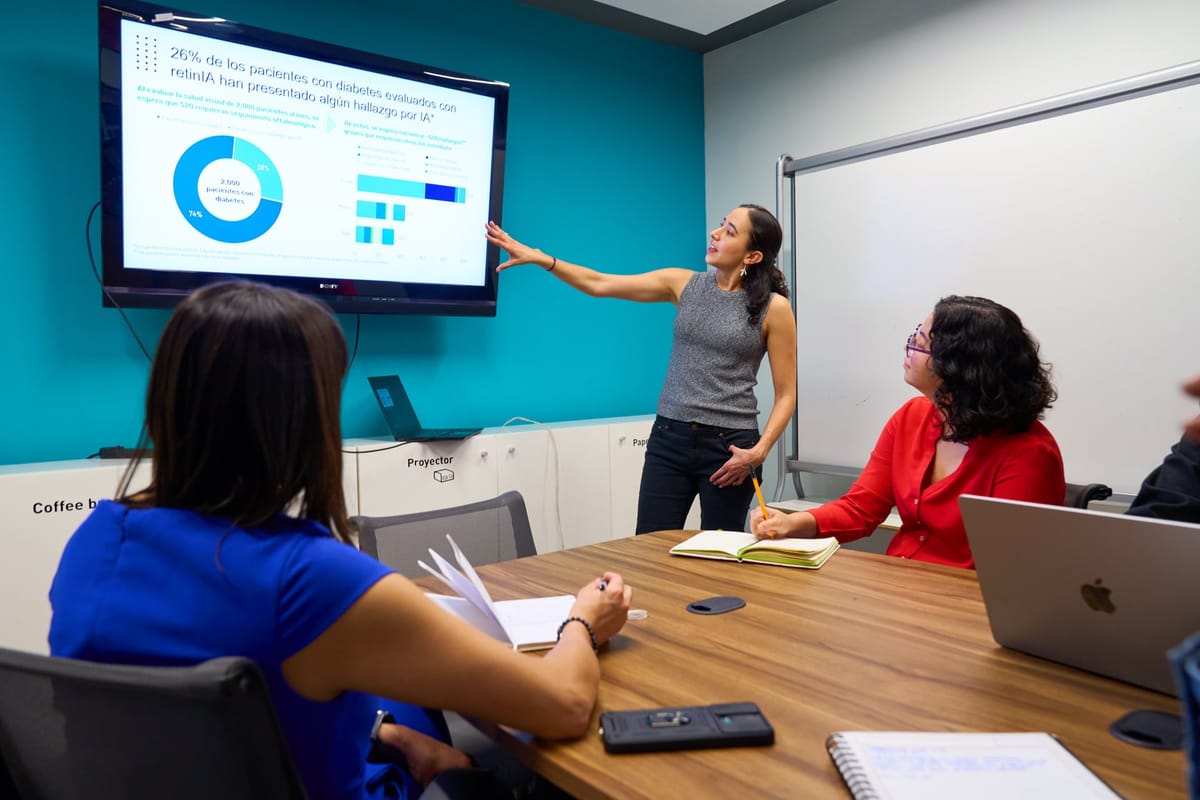
PHOTO GALLERY