Fellow Portrait
Dali Rashid
Genomines

Genomines is a biotechnology company producing nickel from plants as a low-impact alternative to conventional mining for electric vehicle batteries.
.svg?&quality=80&auto=webp&width=200)
Science & Technology Pioneer Award
France
.svg?&quality=80&auto=webp&width=200)
Fellow
2026
Updated March 2026
Nickel for the energy transition has an environmental and human cost
Nickel underpins the global energy transition. According to the International Energy Agency, demand for the metal is expected to nearly double by 2050, fuelled by electric vehicle (EV) batteries. Yet the way nickel is produced undermines the clean-energy future it promises.
Conventional nickel mining is among the most environmentally destructive forms of extraction. It drives deforestation, degrades land and generates vast quantities of toxic waste. Dali Rashid notes the irony. “Electric vehicles are supposed to be the environmentally friendly alternative, yet they rely on one of the world’s most heavily polluting metals.”
Communities are harmed too. Rising global need has accelerated subsistence-level mining in many regions, operations which are often unregulated, dangerous and, in some cases, involve child labour.
Meanwhile, the world faces a looming supply challenge. Existing distribution chains are already fragile, with extraction concentrated in a small handful of countries, heightening vulnerability to disruption and price shocks. Looking ahead, a projected nickel shortage by 2030 could deepen volatility, create production bottlenecks and slow the pace of electrification.
Mining, however, is not Dali’s field. Trained as a plant biotechnologist, the Lebanese scientist came to nickel from a very different direction, one that was to prove decisive.
“I wanted to create an alternative that is not just environment-friendly but brings value to local communities too.”
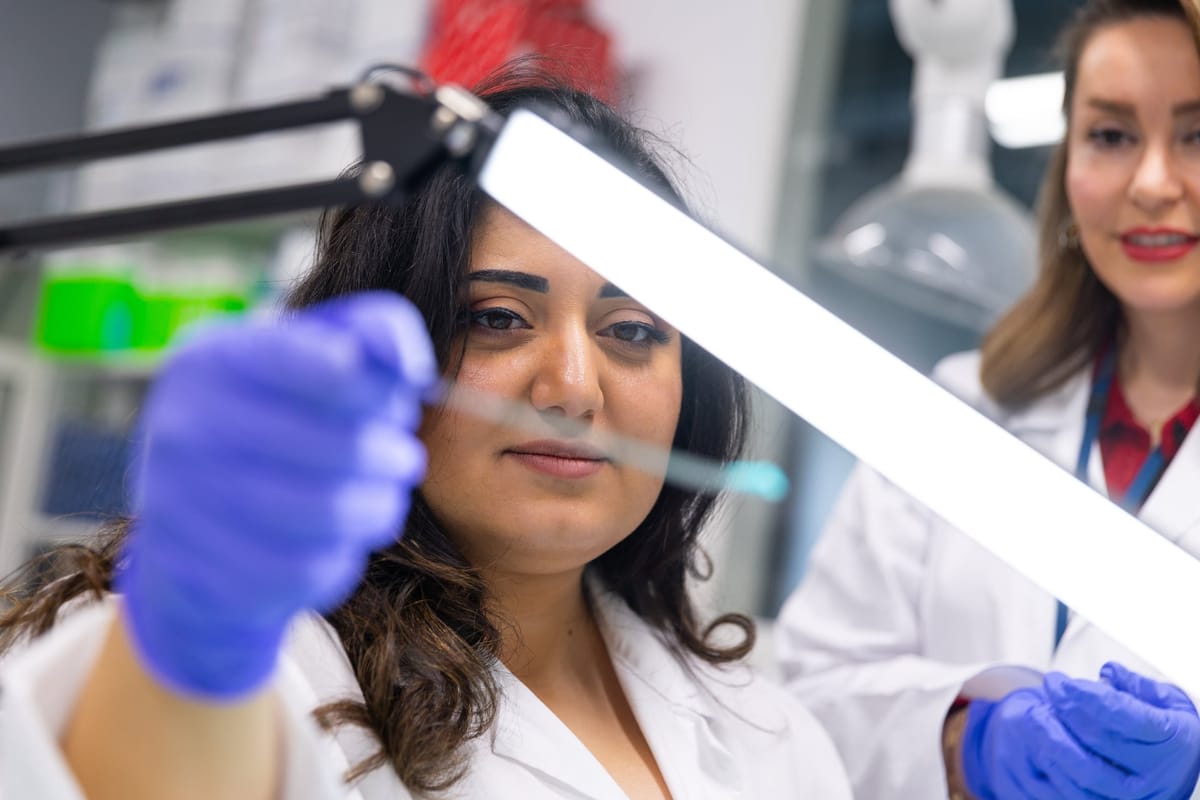
A mining alternative that replaces machinery with vegetation
Dali’s lightbulb moment came in 2021 at a talent accelerator where she met Fabien Koutchekian, a mining engineer. “It’s rare to have a biotechnologist and a mining engineer in the same room,” Dali says, recalling how their conversation revealed an unexpected overlap.
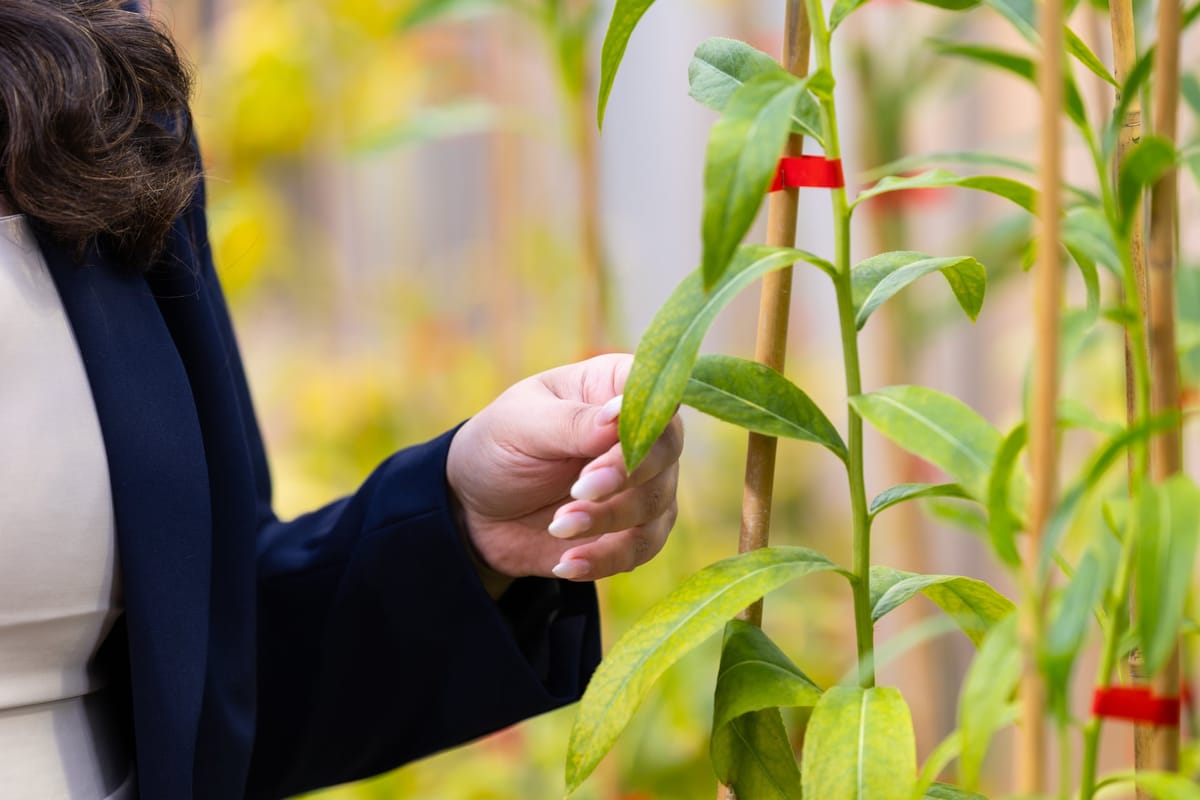
Dali had spent years doing scientific research on hyperaccumulator plants, which are species that naturally absorb metals from soil. “They act like a vacuum cleaner for the earth,” she explains. Fabien, meanwhile, had an industrial perspective, noting that the plants Dali had studied were used by miners in the past to detect the presence of metals in the ground.
The pair realized that if they could find a way to put these plants to work in a scalable capacity they could solve the problem of environmentally damaging industrial extraction.
Together, they founded Genomines, a French biotechnology company that replaces heavy mining machinery with genetically enhanced plants.
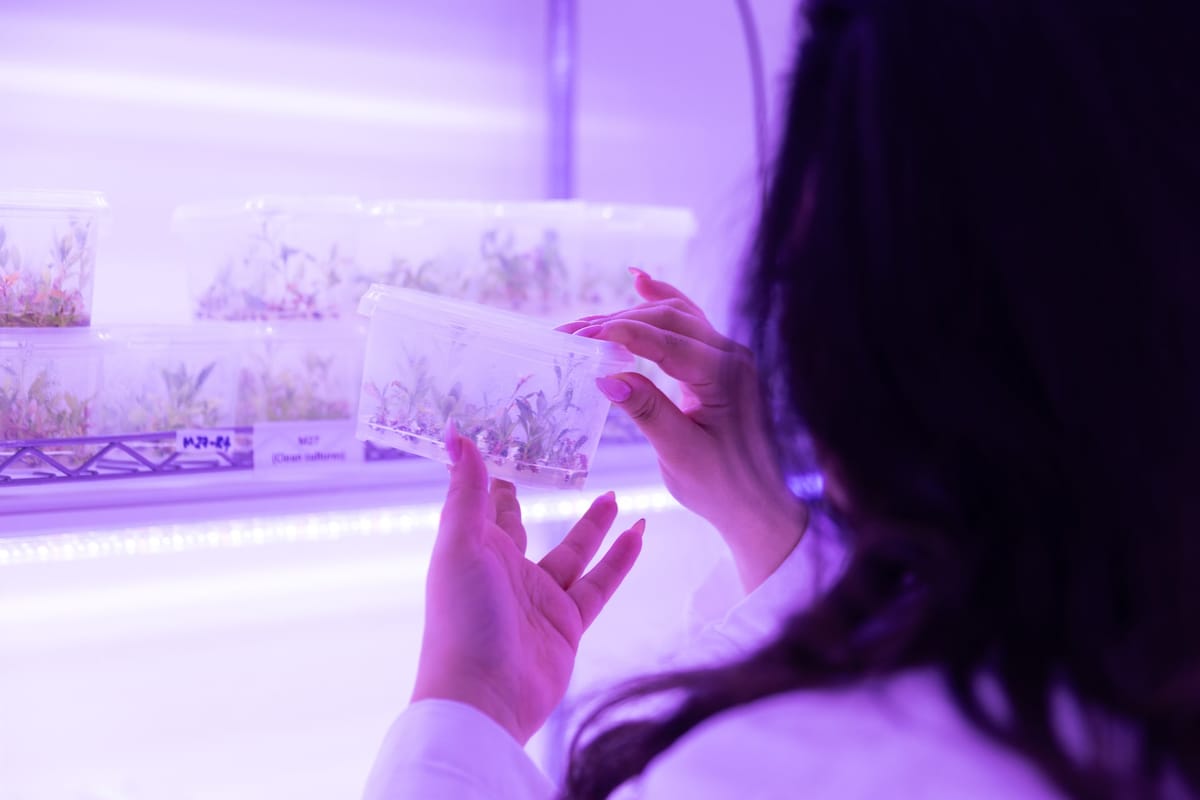
“As with so much in biology,” Dali says, “the answer lay within the DNA.” Through proprietary screening and genome sequencing, the team developed patented, genetically enhanced plants that dramatically improve nature’s own process, growing to two to four times the size of wild species and accumulating two to three times more nickel.
Cultivated on nickel-rich soils using optimized agricultural practices, the plants are harvested and processed using existing thermal and hydrometallurgical methods. The result is a plant-based nickel that has been validated by key players across the EV and battery value chain. Early adopters include some of the world’s largest manufacturers committed to sustainable sourcing. They are drawn not only by Genomines’ environmental credentials but by its cost competitiveness — on average more than 30% lower than conventional methods.
“We’re not reinventing the wheel, we’re enhancing a natural blueprint to make it efficient and commercially viable.”
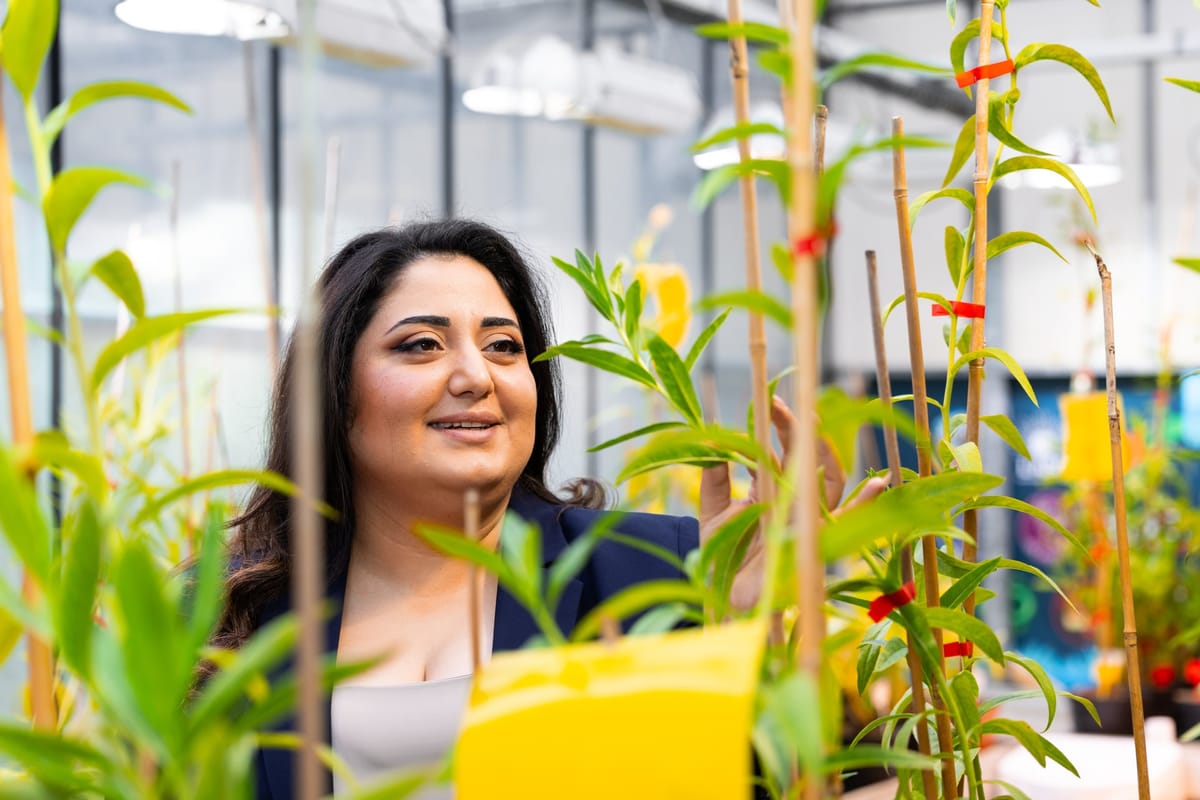
A future that belongs to regenerative mining
Genomines has the potential to reshape mining. Its process avoids open-pit extraction entirely, dramatically reducing land disturbance and toxic waste. Compared with conventional mining, which can emit between 16 and 42 metric tons of carbon dioxide per metric ton of nickel, Genomines cuts emissions by 10 to 40 metric tons per metric ton produced.
“In fact,” Dali notes, “we’re at minus two. We absorb carbon dioxide while producing a ton of nickel.”
Once scaled, the company expects to avoid five to six kilotons of toxic waste annually.
But the social impact may prove just as significant. Genomines can restore value to an estimated 3.5 million hectares of underutilized land — areas unsuitable for agriculture and unviable for traditional mining, yet ideal for agromining.
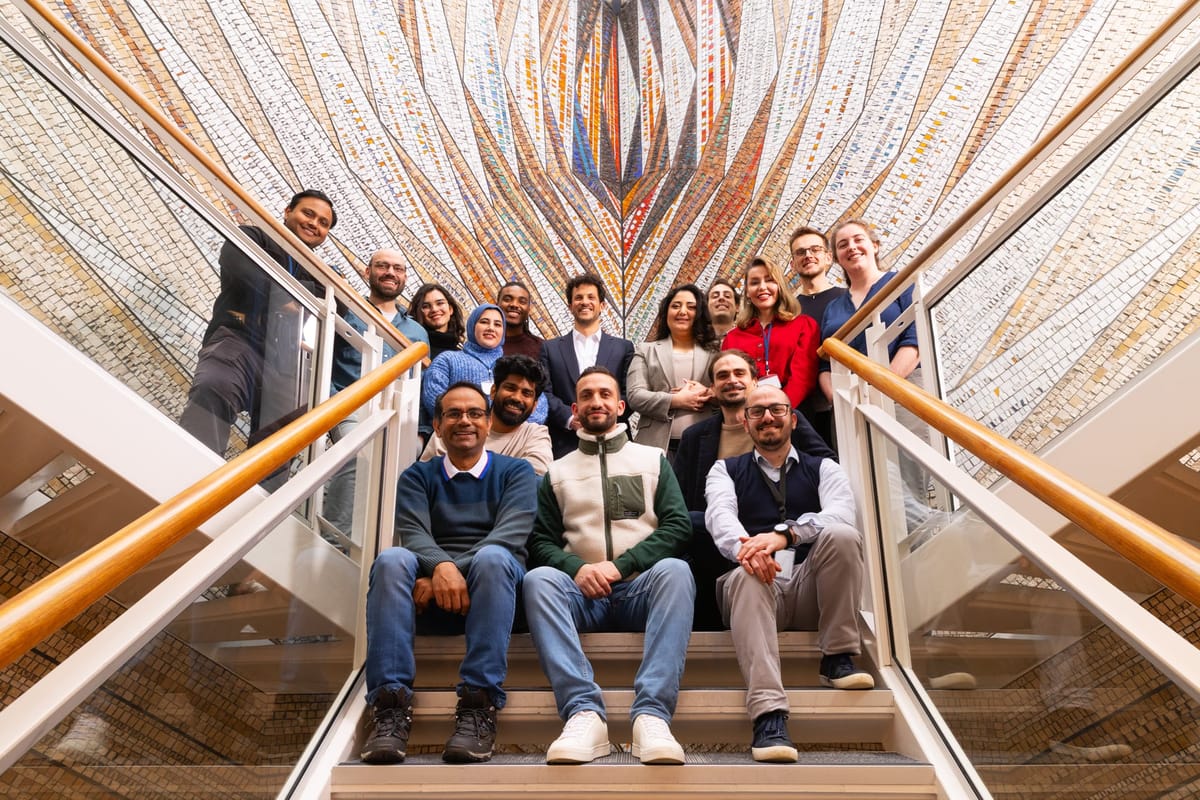
Job creation is embedded in the model. Genomines employs a multicultural team of researchers, engineers and business developers, alongside locally hired agronomists, geologists, operations managers and community engagement officers in South Africa, where its field operations are based. “We never bring foreign teams,” Dali says. “We only hire locally.”
Her long-term vision reframes mining completely. “Imagine walking alongside a field with a child,” she says. “They ask what’s being harvested, and you tell them: ‘metal’.”
In a world racing toward electrified transportation, Genomines offers something rare: a path to critical minerals that aligns environmental ambition with ecological reality.
“We want people to stop associating metal extraction with destroyed environments and communities. Instead, they should think of growth, greenery and rehabilitation.”
PHOTO GALLERY