Fellow Portrait
Isabel Pulido
NanoFreeze

NanoFreeze is a climate technology company creating natural refrigeration solutions that can cut energy use by up to 50%.
.svg?&quality=80&auto=webp&width=200)
Science & Technology Pioneer Award
Colombia
.svg?&quality=80&auto=webp&width=200)
Fellow
2026
Updated March 2026
Traditional refrigeration harms the climate and relies on stable energy supplies, leaving underserved communities vulnerable
Refrigeration is one of the world’s most emissions-intensive systems. From food and agriculture to vaccines and pharmaceuticals, modern life depends on keeping products cold. Yet cooling systems consume vast amounts of electricity and rely on high-emission refrigerants, generating an estimated 2.95 billion metric tons of carbon dioxide each year.
When refrigeration fails, the effects encompass health, food security and livelihoods. Globally, cold chain breakdowns contribute to more than $1 trillion USD in food waste annually. In regions with unstable electricity, crops spoil before reaching markets, with small producers bearing the losses. Meanwhile, medicines lose effectiveness, increasing underserved communities’ vulnerability to disease.
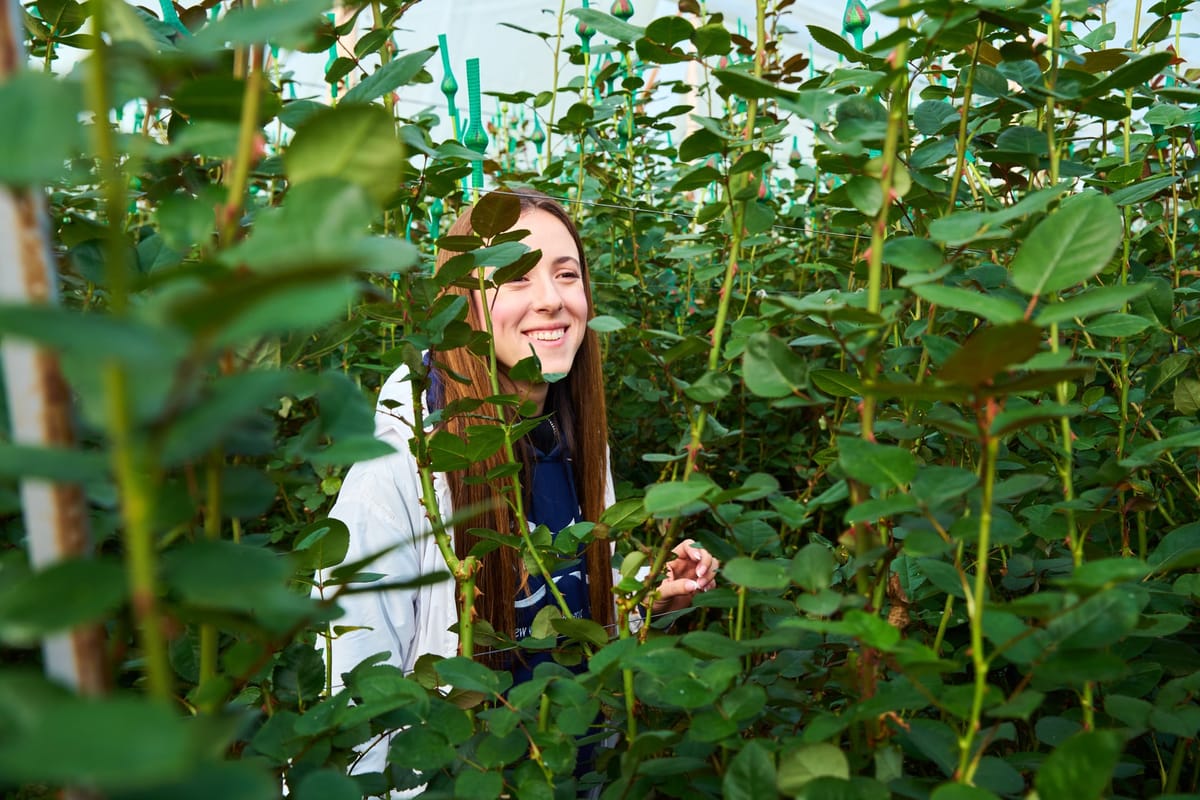
For Isabel Pulido, the problem became clear during field research in rural Colombia. She saw how failing refrigeration was one of the biggest consequences of limited energy access. Farmers were losing a third — sometimes half — of their harvests because they lacked reliable cold transport and storage.
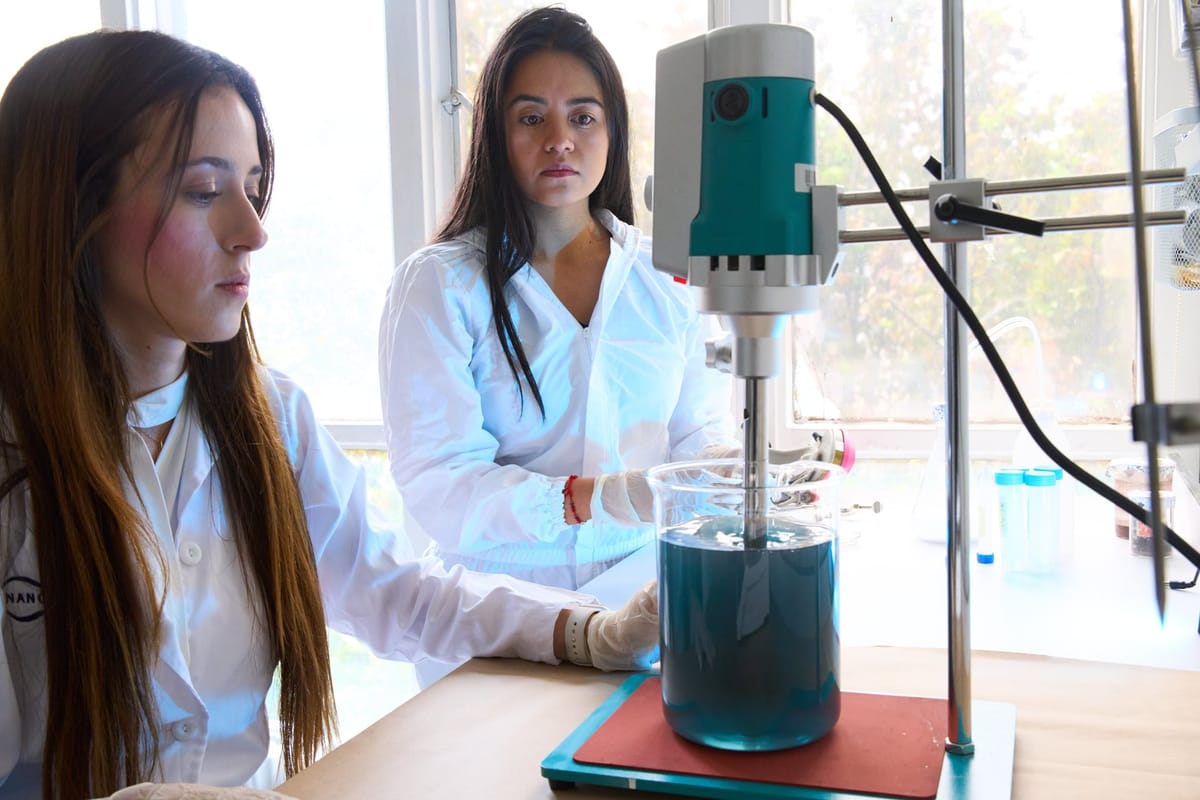
During her studies in bio-design at Bogotá’s Universidad de los Andes, Isabel began exploring whether nature itself held a solution. Her breakthrough came when she encountered a microorganism capable of triggering ice formation at higher temperatures than normal. “When I learned that certain bacteria could initiate freezing in a different way,” she recalls, “I knew we had found something unique.”
That discovery became the foundation of NanoFreeze.
“By cooling naturally, without relying on toxic materials or massive energy use, we knew we could transform how refrigeration works, especially for communities who need it most.”
Reinventing refrigeration with nature
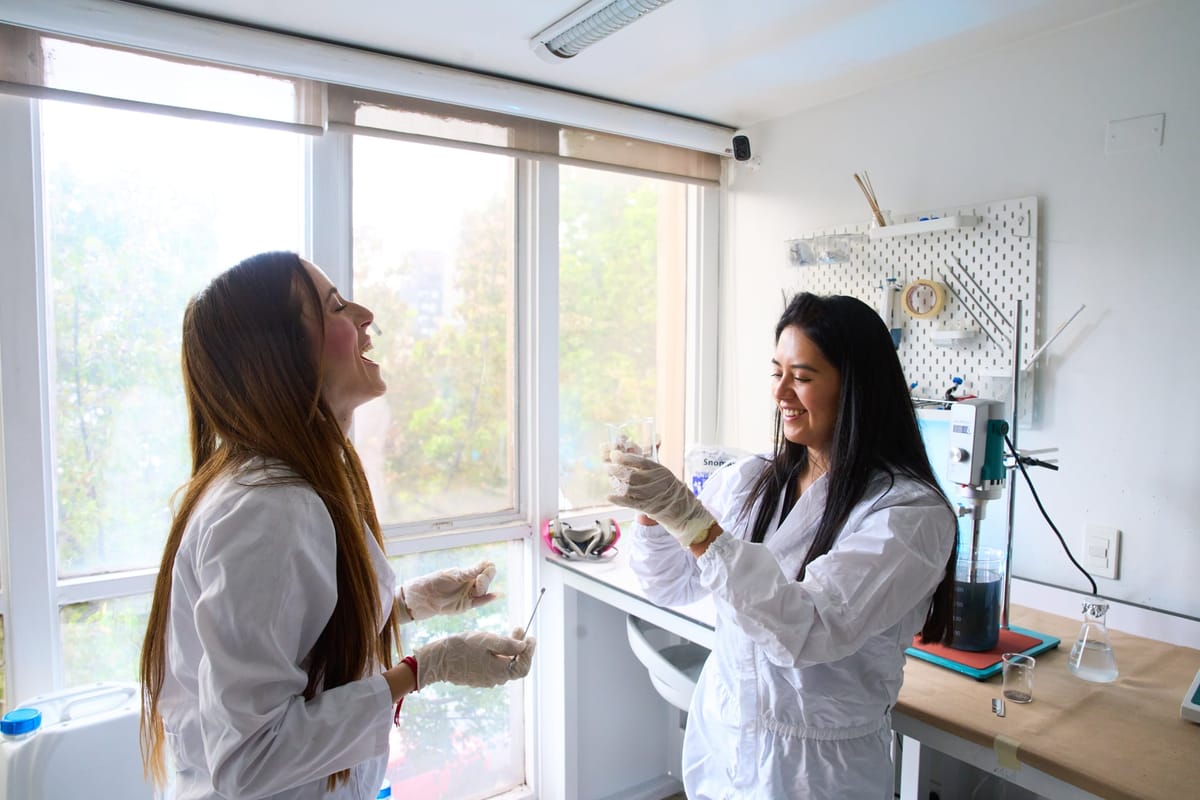
NanoFreeze was created by Isabel and her co-founders in 2020 as a university spin-off, following two years of intensive research. The company’s launch, during the COVID-19 pandemic, was a response to the team’s realization that their technology could be used to transport life-saving vaccines to Colombia’s remotest regions.
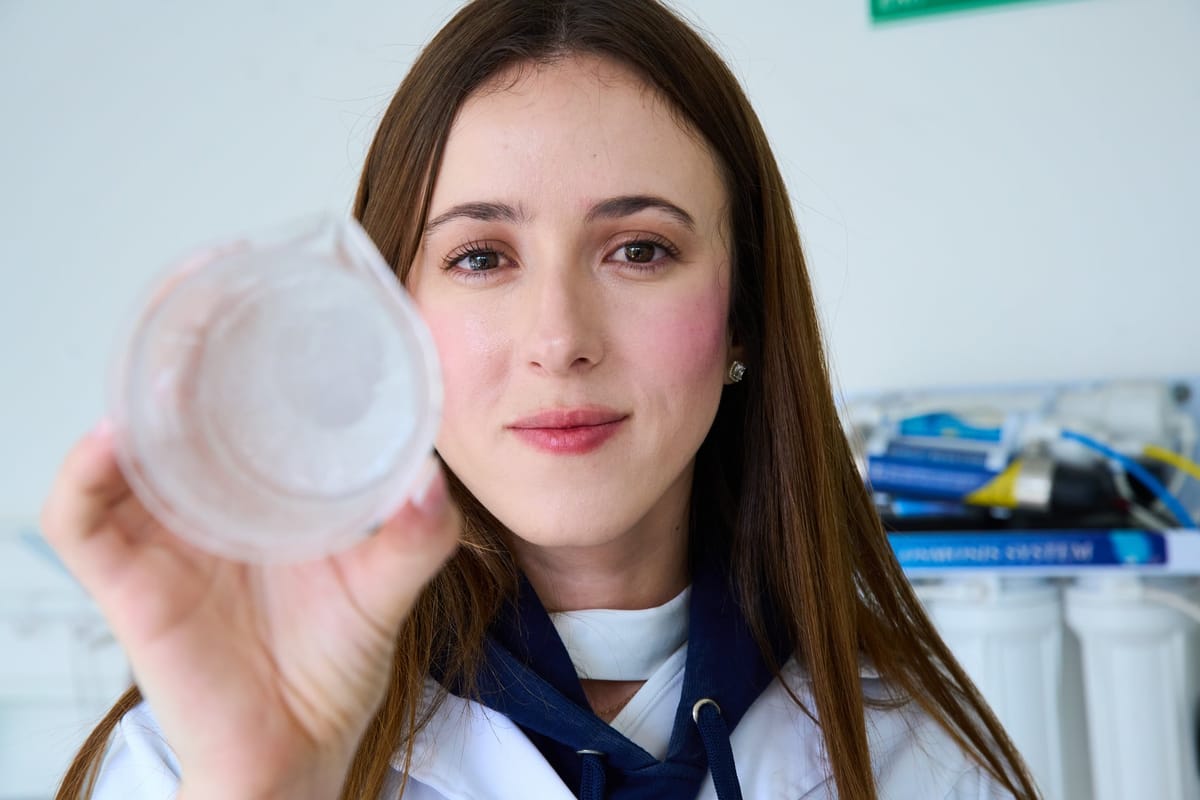
The company’s innovation lies in a patented bio-nanotechnology that improves how water transfers and retains cold. Unlike conventional coolants made from petroleum-based materials such as paraffin or styrofoam, NanoFreeze’s solution uses natural ice-forming proteins. Biodegradable, non-toxic and reusable, the coolant is also strengthened to make it durable and scalable for industry.
The technology is used in two main ways. First, NanoFreeze produces reusable, electricity-free cooling systems, such as foldable vaccine coolers and insulated “Cold Coats,” to transport perishable goods such as food and medicines. These are capable of maintaining low temperatures for up to 200 hours and are particularly valuable in remote locations or during power outages, reducing spoilage and protecting temperature-sensitive products.
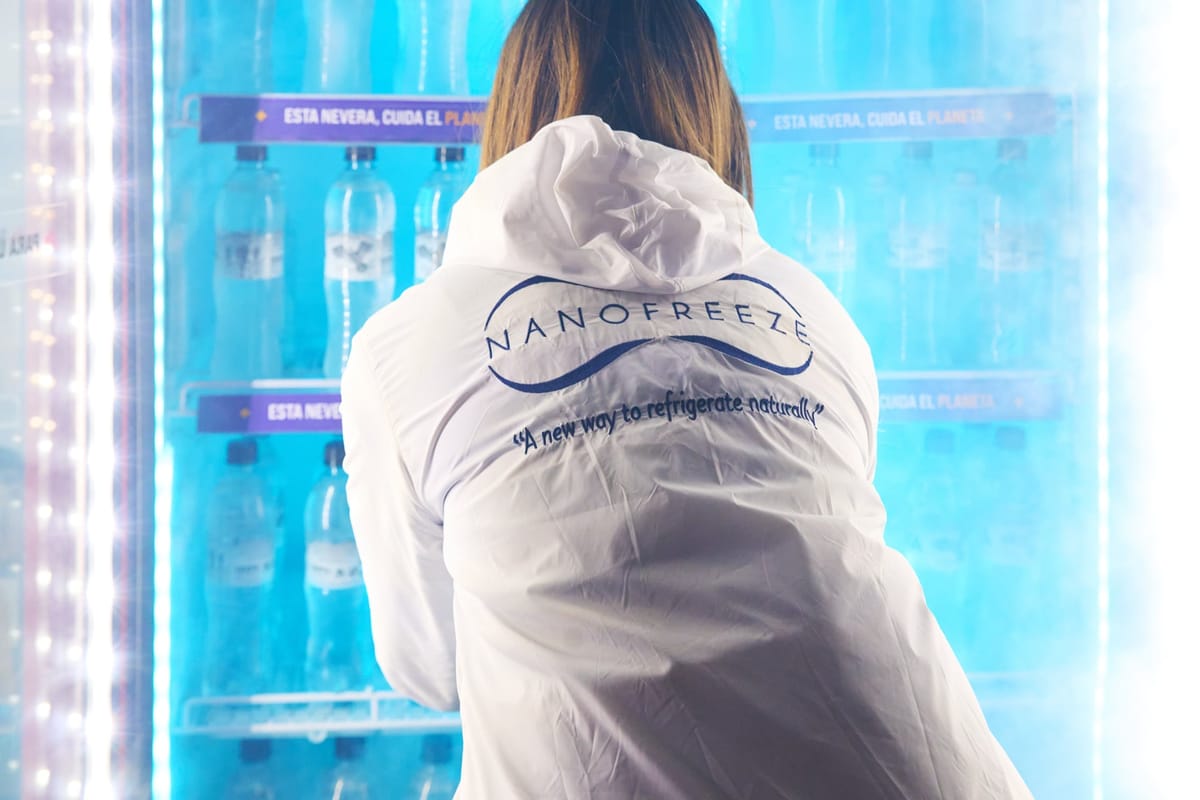
Second, the same material is integrated into “natural freezer” panels that enhance the efficiency of commercial refrigerators and industrial cooling systems. By improving thermal performance, these panels can cut electricity consumption by up to 50%, reducing both operational costs and emissions.
“We wanted something that was not only high performance and viable for industrial use,” Isabel explains, “but also accessible and affordable for companies in rural places.”
“We’re proving that deep tech doesn’t have to be expensive or exclusive. It can serve multinationals and small rural producers at the same time.”

Cutting waste, lowering emissions and strengthening supply chains
NanoFreeze’s impact is both environmental and economic. To date, the company has helped save more than $760,000 USD worth of food and avoided approximately 20 metric tons of carbon emissions annually.
For small producers, the effect is transformative. Farmers who once lost 30% to 50% of their produce due to spoilage can now preserve product quality during long transport journeys — often at a cost as low as $0.50 USD per box. “That means more income, less waste and more stability,” Isabel says.
Meanwhile, adoption by major companies signals the potential for climate impact at scale. In 2024, NanoFreeze supplied more than 600 foldable vaccine coolers to one of Colombia’s largest healthcare providers. And in 2025, it scaled its natural freezer panels with a major global brewer, improving the performance of hundreds of commercial refrigerators and reducing energy consumption by nearly a third.
Looking ahead, NanoFreeze aims to deploy its technology across 1 million refrigerators within six years, avoiding more than 1.6 million metric tons of carbon emissions in targeted regions by partnering with some of the world’s most energy-intensive industries.
“The refrigeration industry doesn’t have to be one of the most polluting,” Isabel says. “It can become one of the most efficient.”
“Our dream is to decarbonize the refrigeration industry within six years.”
PHOTO GALLERY