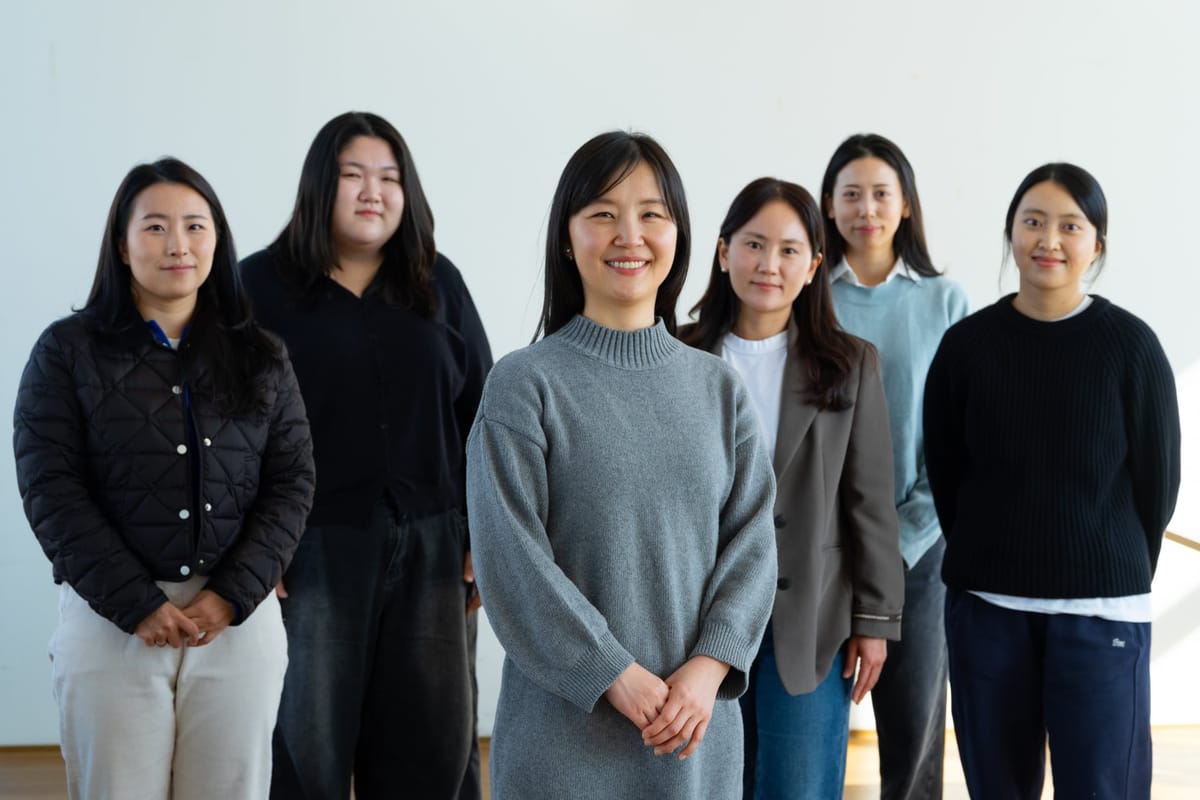
Fellow Portrait
Jeklin Kim
GemGem Therapeutics

GemGem Therapeutics develops rehabilitation games powered by artificial intelligence that help children with disabilities improve hand function through play.
.svg?&quality=80&auto=webp&width=200)
East Asia
South Korea
.svg?&quality=80&auto=webp&width=200)
Fellow
2026
Updated March 2026
Traditional therapy fails children with cerebral palsy while causing emotional and financial hardship for families
For children with neurological conditions such as cerebral palsy, consistent hand rehabilitation can be life-changing. Yet for many families, especially in rural or low-income settings, access to effective therapy is limited. Traditional occupational therapy is expensive, time-consuming and often dependent on frequent clinic visits — barriers that lead to delayed progress for children and emotional and financial strain for caregivers.
The burden frequently falls on mothers, who may be forced to cut their work hours or leave jobs entirely to take their children to sessions. Long wait times, high monthly costs and slow progress can turn therapy into a source of exhaustion rather than hope.
Jeklin Kim is the parent of a child with cerebral palsy. “Watching my son struggle through traditional therapy, sometimes in tears, broke my heart,” she recalls. “As a mother, I didn’t want him to feel defeated. I wanted him to feel joy.”
The experience pushed her to confront not only the limits of the healthcare system, but the emotional toll it takes on families. “Going through it myself, there was a lot of darkness,” she shares. “I knew I had to turn away from it and build something better.”
“If therapy feels like suffering, something is wrong with the system.”
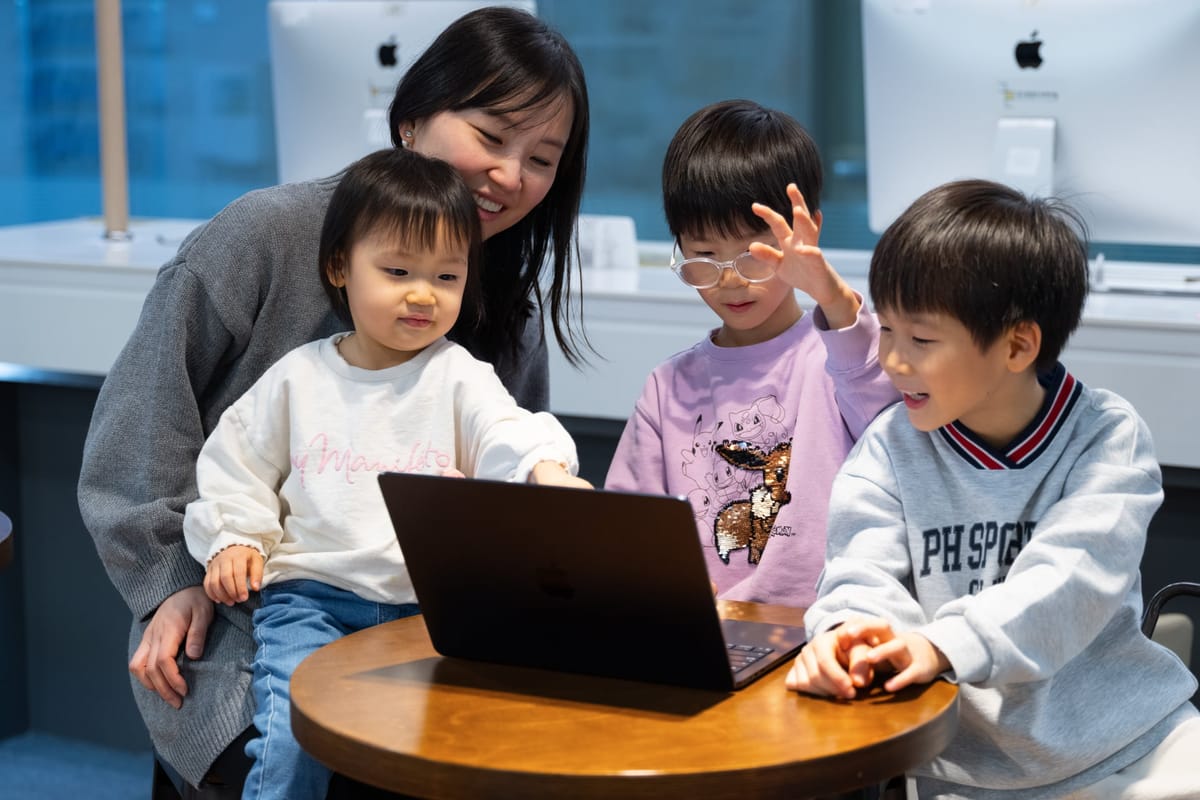
Transforming occupational therapy into joyful, accessible play
Before founding GemGem Therapeutics, Jeklin spent more than a decade as a game director at Nexon, one of South Korea’s largest gaming companies, working on titles such as MapleStory, a hugely popular role-playing game. Designing immersive, joyful digital worlds was her profession and, unexpectedly, her solution.
In 2023, Jeklin launched GemGem Therapeutics with a similarly joyful idea: bring occupational therapy into children’s everyday lives by turning repetitive hand exercises into engaging play.
The company’s first product, GemGem400, is an artificial intelligence (AI)-powered mobile rehabilitation game designed specifically for hand therapy. The name comes from neuroscience: children need to perform roughly 400 active hand movements to stimulate brain neuroplasticity. “We turned those 400 movements into an adventure kids actually want to play,” Jeklin explains.
Using a simple smartphone or tablet camera, the game tracks fine motor movements — crucially, with no special equipment required. The AI adapts exercises in real time based on each child’s ability, personalizing therapy while keeping children motivated through story-based play.
Unlike many digital rehab tools, GemGem400 is built specifically for occupational therapy and is currently undergoing clinical validation in hospitals and therapy centers, demonstrating measurable improvements in hand function.
Behind the product is a multidisciplinary team with more than 45 years of combined experience in game development and 52 years in therapy. Designers, developers, therapists and researchers work closely, united by a shared mission.
“We’re not building just another app,” Jeklin says. “We’re building dignity, joy and progress into therapy.”
“Our vision is to make high-quality rehabilitation accessible to every child, regardless of geography or income.”
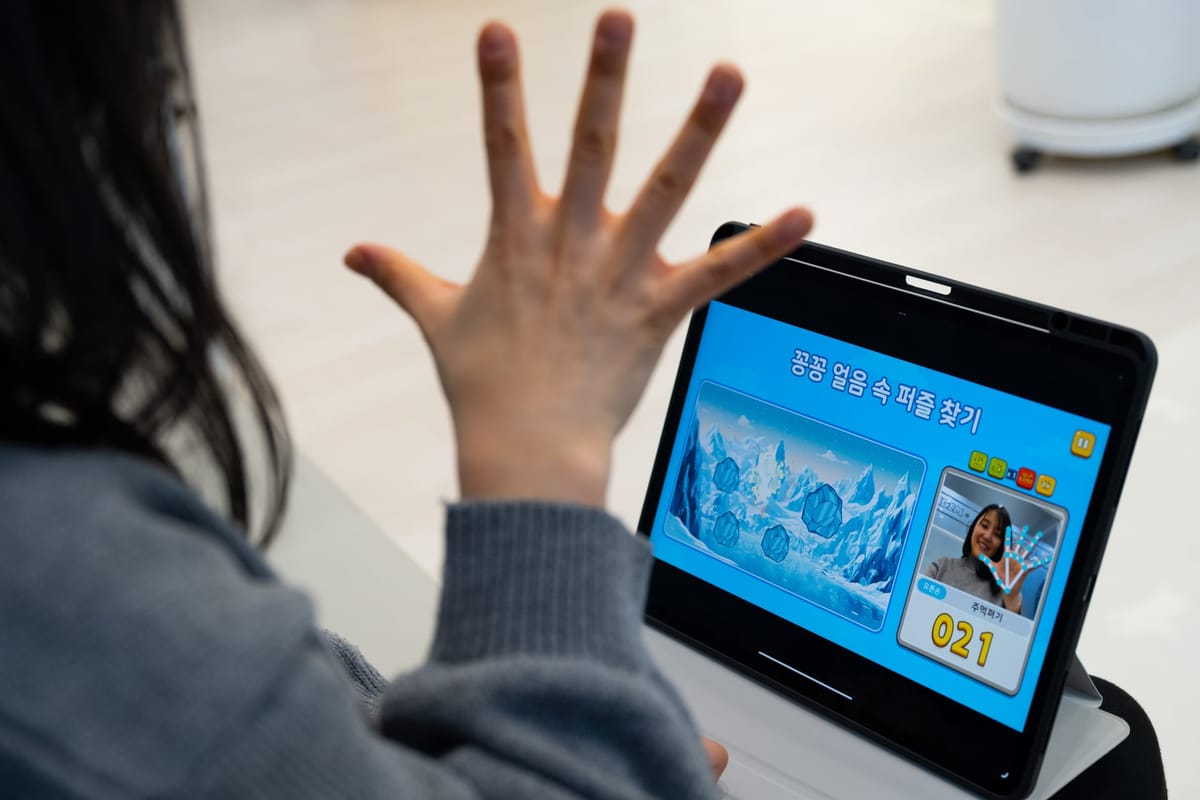
Supporting physical improvement and social inclusion
Since 2023, more than 1,500 children have completed personalized GemGem programs, with 76% showing improved hand function within one month. Importantly, 38% of users come from underserved communities, where access to traditional therapy is often limited. Families also save time and money through fewer clinic visits and effective at-home rehabilitation.
Behind the numbers are stories that continue to strengthen Jeklin’s resolve. She recalls one mother whose son was about to start school but struggled with everyday tasks like pulling up his pants. After using GemGem400 just five times in one week, he gained enough control in both hands to dress himself for the first time. “She told me it felt like her prayers had been answered,” Jeklin says. “It was a miracle for her — and for me.”
Other parents describe children who, after weeks of play-based therapy, could finally grip playground equipment or join peers instead of watching from the sidelines: “Moms call me crying. Those moments remind me why this matters.”
As the company grows, GemGem Therapeutics is expanding beyond cerebral palsy to support children with autism and other conditions affecting fine motor skills. The goal is not only physical improvement, but social inclusion, reducing stigma and empowering children to participate fully in daily life.
Jeklin is especially focused on supporting caregivers with data and emotional reassurance. “Mothers carry so much in silence,” she says. “If we can give them proof of progress and hope, that changes everything.”
“What started as something for my child became something for thousands of families. That thought inspires and energizes me and I know I have to keep going.”

PHOTO GALLERY