Fellow Portrait
Julienne Ingabire & Elizabeth Scharpf
Sustainable Health Enterprises
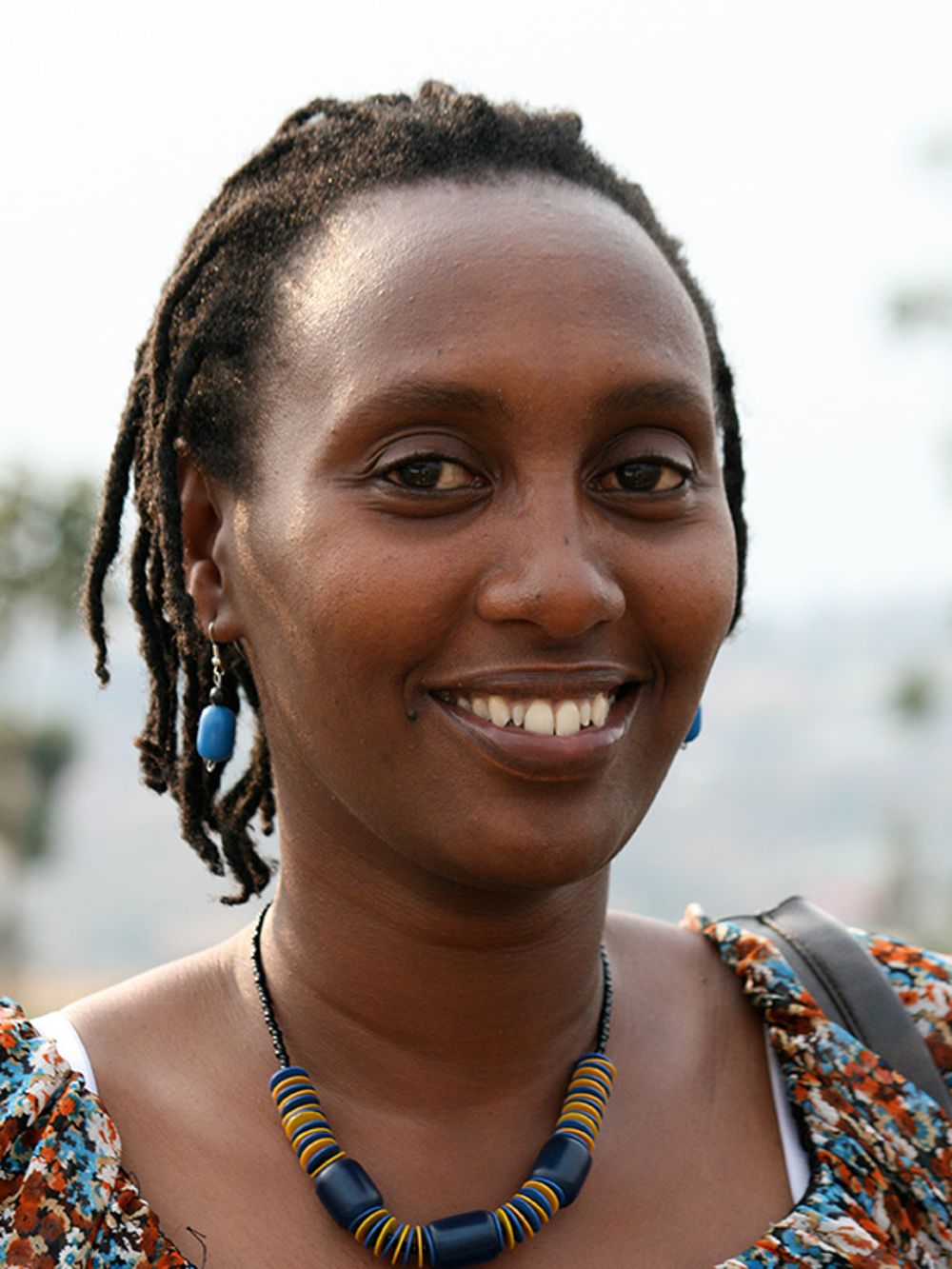
Sustainable Health Enterprises produces low-cost and eco-friendly sanitary pads on a franchise model fostering local entrepreneurs.
.svg?&quality=80&auto=webp&width=200)
Francophone Sub-Saharan Africa
RWANDA
.svg?&quality=80&auto=webp&width=200)
FELLOW
2012
Updated March 2012
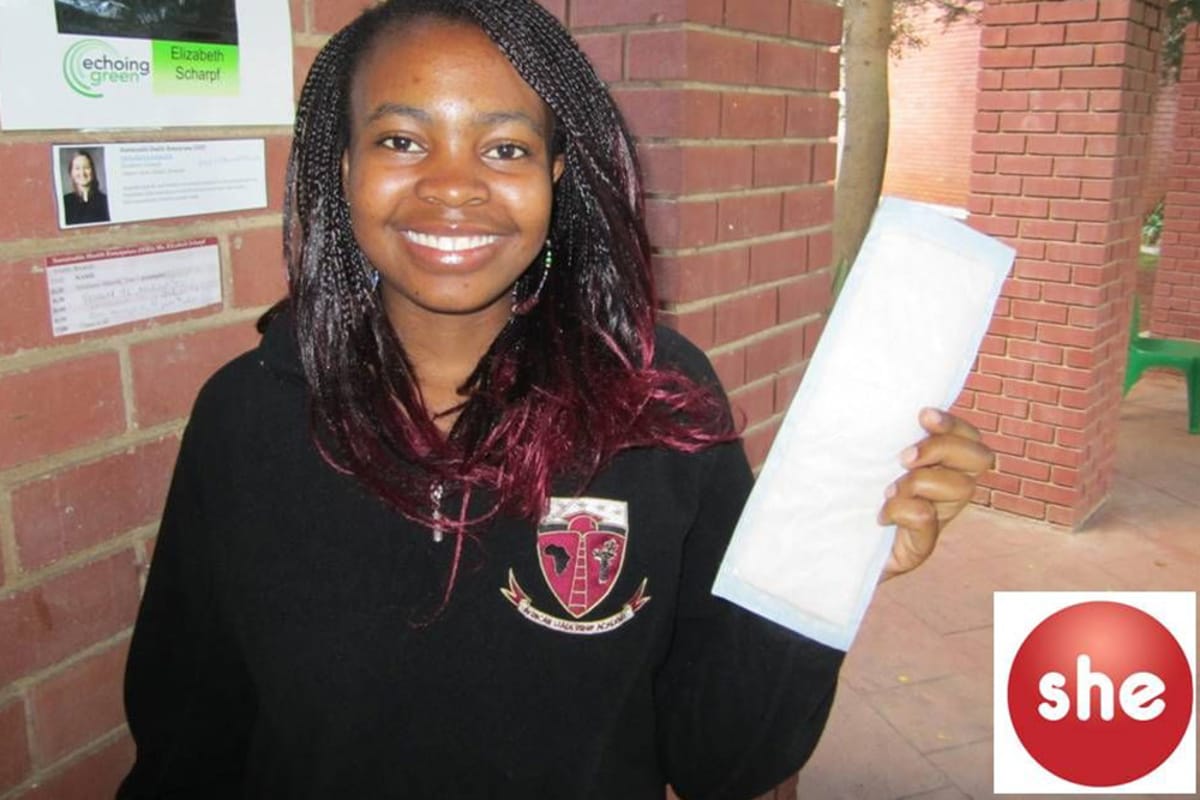
Elizabeth Scharpf, an American management consultant in pharmaceuticals and biotech turned entrepreneur, and Julienne Ingabire, a Rwandese businesswoman, have joined forces to co-found a business that tackles one of today’s enduring taboos: menstruation. ‘In developing countries like Rwanda, the lack of affordable sanitary pads puts girls at a distinct gender disadvantage; when they can’t afford pads they stay at home during their period to avoid embarrassment, missing days of school every month,’ says Elizabeth, CEO of Sustainable Health Enterprises, or SHE for short, whose goal is to drive economic and social change through sustainable enterprise in emerging markets. ‘Likewise, low-income women in rural areas miss work for the same reasons.’
Low cost, real benefit
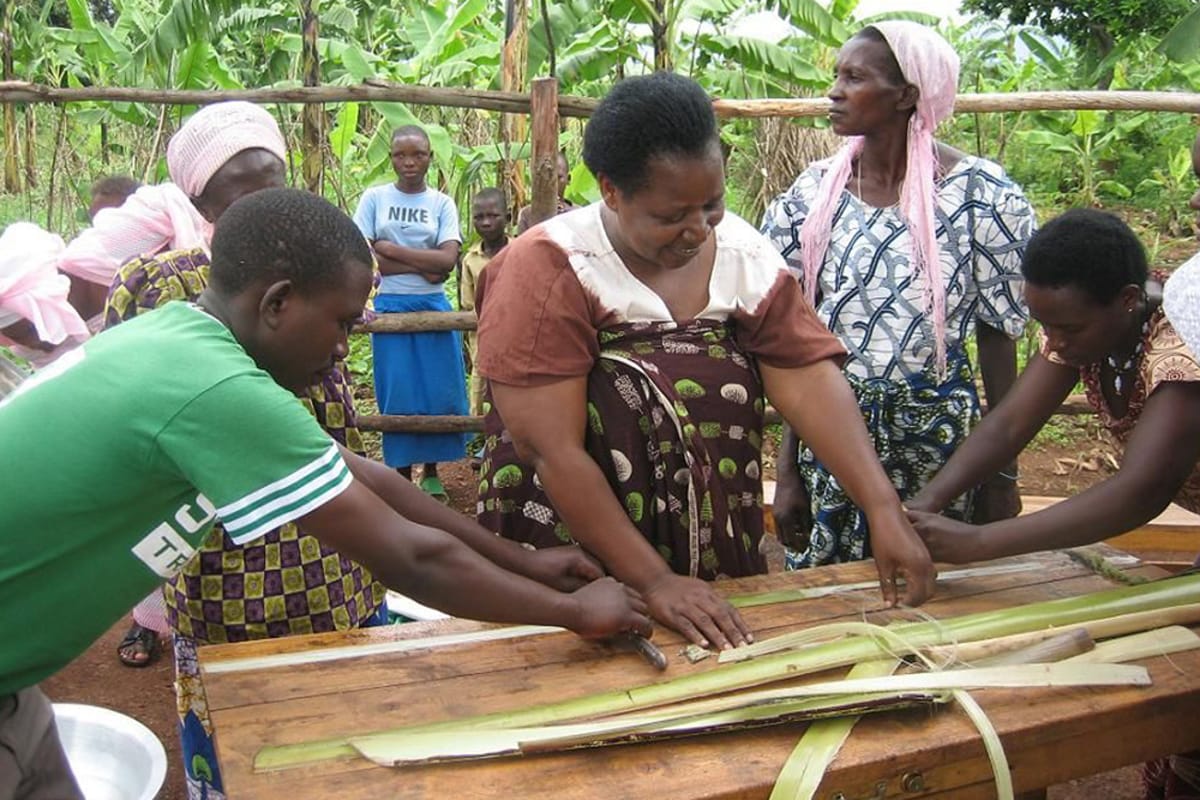
Over the ages, women have come up with all manner of materials to deal with their period, from grass and rags to rabbit skins or knitted wool! In the late 19th century, the invention of the sanitary pad in the late set a process in motion that would change their lives and give them increasing freedom. ‘International brands come with high import and manufacturing costs that make them too expensive for all but a happy few,’ says Elizabeth. With an average annual wage of US$496 in Rwanda, such pads would cost the equivalent of one day’s wages. ‘Even locally made pads are beyond many low-income families’ reach.’ To tackle this problem, Elizabeth laid the groundwork for a simple idea: low-cost pads made using local materials and sold by local entrepreneurs. After all, cheaper cars are made for the developing world, so why not cheaper sanitary pads?
I couldn’t go back to corporate life, I always felt like I was merely gaining experience so I could do what I’m doing now.
A new supply chain for a new material
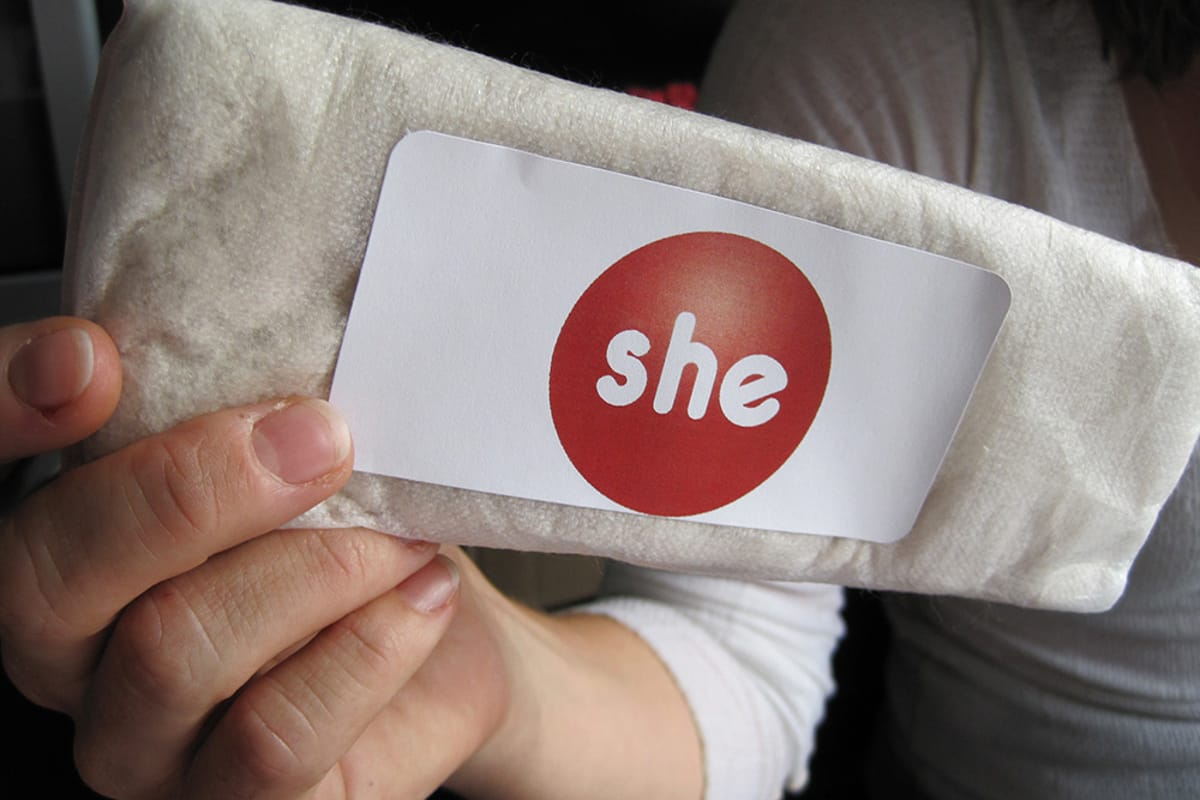
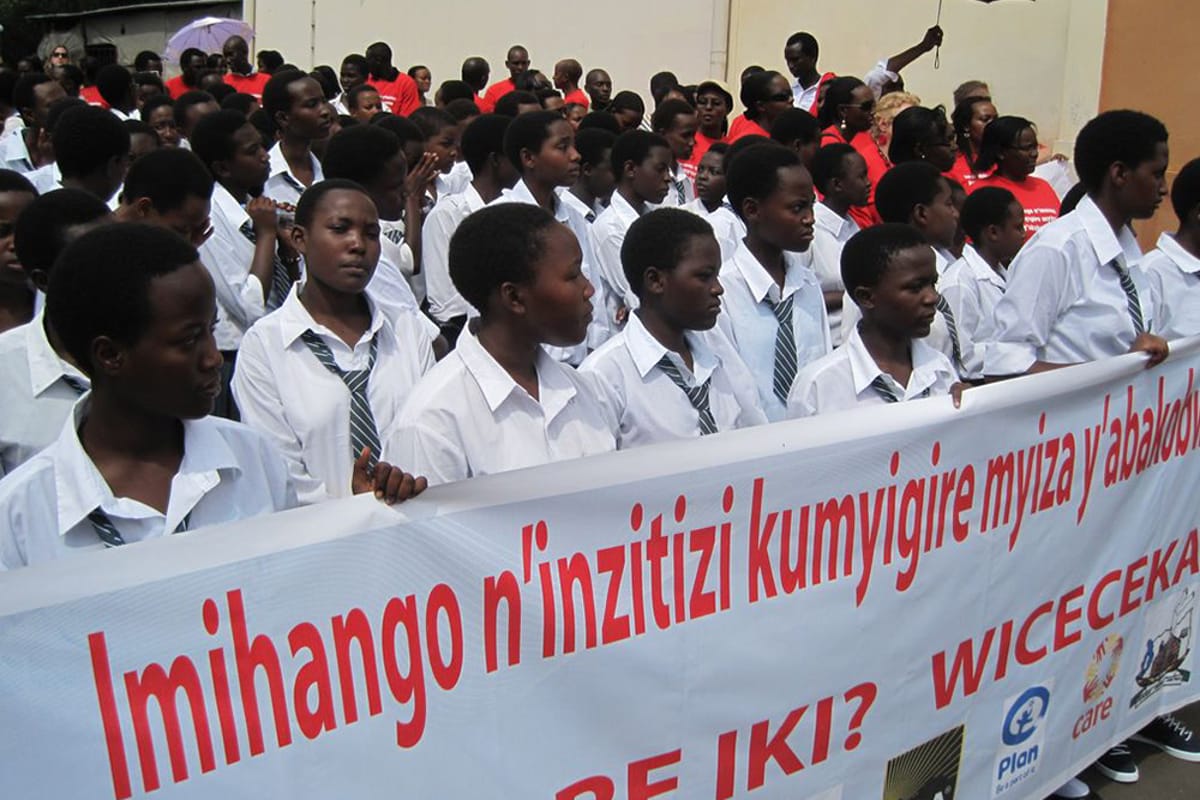
The desire to launch this sustainable business in Rwanda is how Elizabeth and Julienne met, through the Rwanda Association of University Women network. ‘I was looking for a great partner to build a team on the ground. Julienne is a perfect fit!’ A project manager who grew up in exile from Rwanda, Julienne returned in 2003 to manage the leading chain of coffee shops. Now Julienne heads SHE in Rwanda as COO and oversees operations and campaigns. Developed with the Kigali Institute of Science and Technology and key US partners, the pilot pads – aptly named the ‘Launch Pads’ – are made out of materials sourced in Rwanda, notably banana fibre, due to its absorbent properties. ‘It’s been quite an achievement,’ says Julienne. ‘Nobody seems to use banana fibre here, so we have to develop the first supply chain. Further partnerships will be consolidated with the Rwanda Workforce Development Authority to house the machinery that will allow the business to scale up.
Lobby women in parliament
Response to initial tests with women and girls is very positive and the first pilot for industrial-scale production will start later this year. Once development is complete, SHE expects its pads to be 35% cheaper than locally produced products and 70% less than the international brands – in its first pilot phase, the company has already shaved 15% off distribution costs by cutting out all the middlemen. To market its pads, SHE will stimulate local enterprise by franchising the business to experienced entrepreneurs. ‘Once the business is established, we will also work with women who want to branch out into enterprise and are passionate about this cause,’ says Julienne.
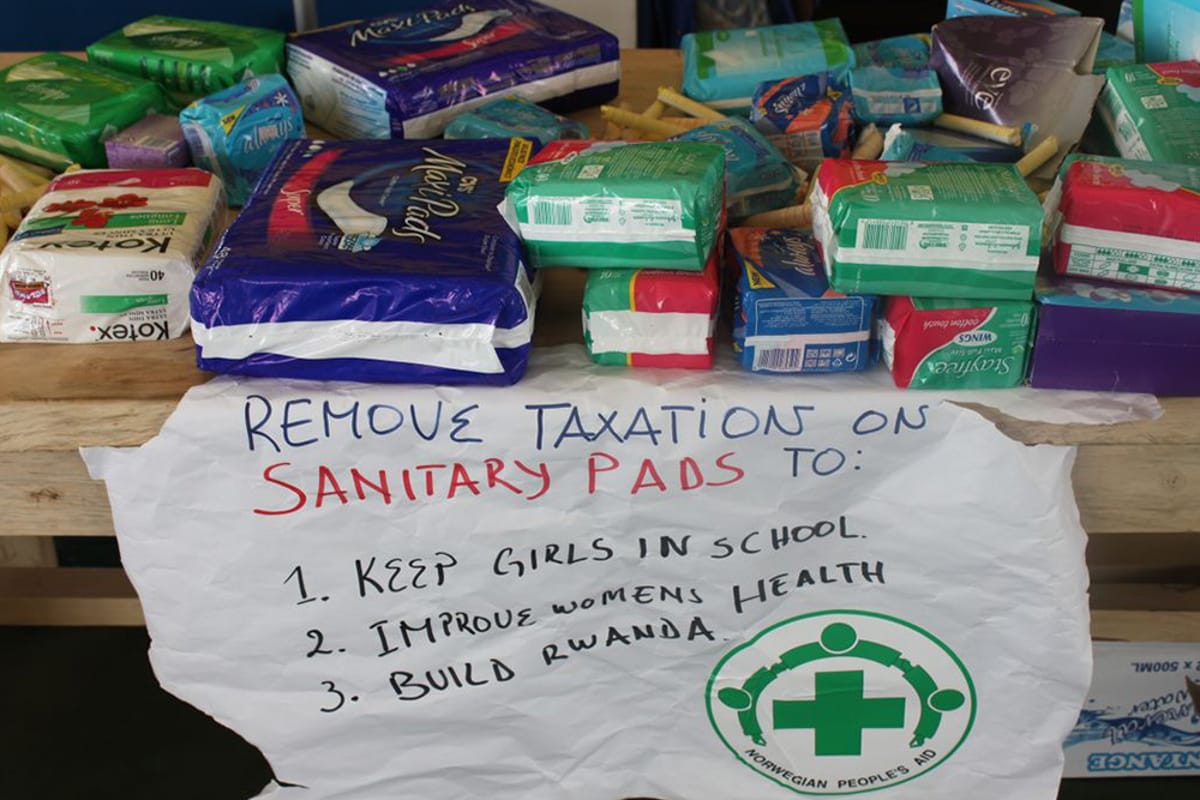
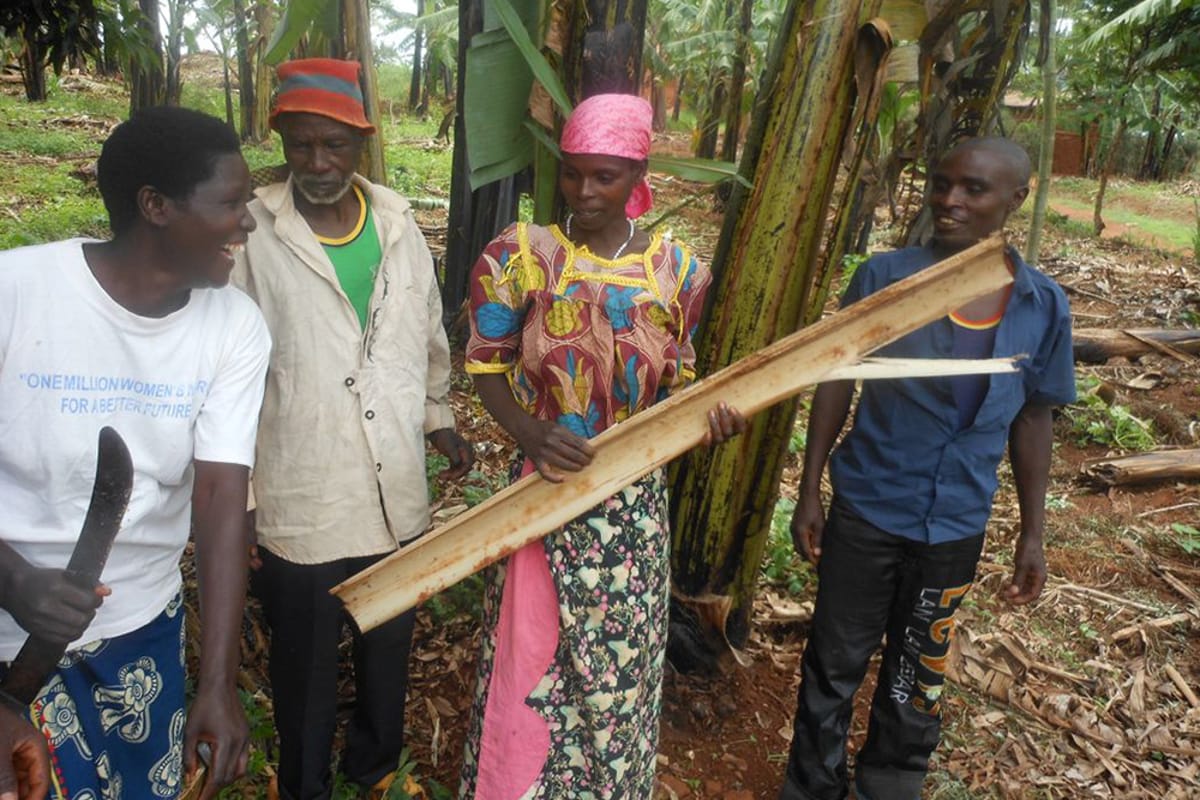
Passionate is exactly how both women feel about breaking the menstrual taboo, a neglected issue that has profound consequences. ‘It affects a woman’s education and dignity at a key moment in their personal development and throughout their reproductive lives,’ says Elizabeth. To raise awareness, they have partnered with women’s health organisations, launching the first campaigns in 2010. The next plan is to lobby parliament to exonerate sanitary pads from Rwanda’s 18% sales tax. Success could even spark regional emulation: Rwanda has the world’s highest number of elected women representatives – 56% – and is the only country where they form the majority, making it an excellent place to start.
Sanitary pads are the first initiative embraced by SHE, which has a rather interesting take on its role: ‘Once our team is driven out of its job by local entrepreneurs, SHE will have achieved success!’ SHE will then move on to its next mission-based venture. ‘I couldn’t go back to corporate life, I always felt like I was merely gaining experience so I could do what I’m doing now,’ says Elizabeth. So SHE will continue to develop initiatives that respond to its core goal: sustainable enterprise to facilitate development.
PHOTO GALLERY