Fellow Portrait
Louisa Gathecha
Bottle Logistics

Bottle Logistics is a Kenyan waste management company recycling post-industrial and post-consumer glass into cullet (a glass-making raw material) and reusable glass bottles for local manufacturers, supporting a circular glass economy.
.svg?&quality=80&auto=webp&width=200)
Anglophone and Lusophone Africa
Kenya
.svg?&quality=80&auto=webp&width=200)
Fellow
2026
Updated March 2026
Glass recycling in Kenya is far below sustainable levels
Sand, the primary ingredient in glass, is the second-most used natural resource in the world. If consumption patterns do not change, the world could face a global shortage by 2038. At the same time, producing glass from raw materials is highly energy-intensive, requiring melting at extremely high temperatures and relying heavily on fossil fuels. Strengthening recycling systems will therefore be essential to building a more sustainable glass industry.
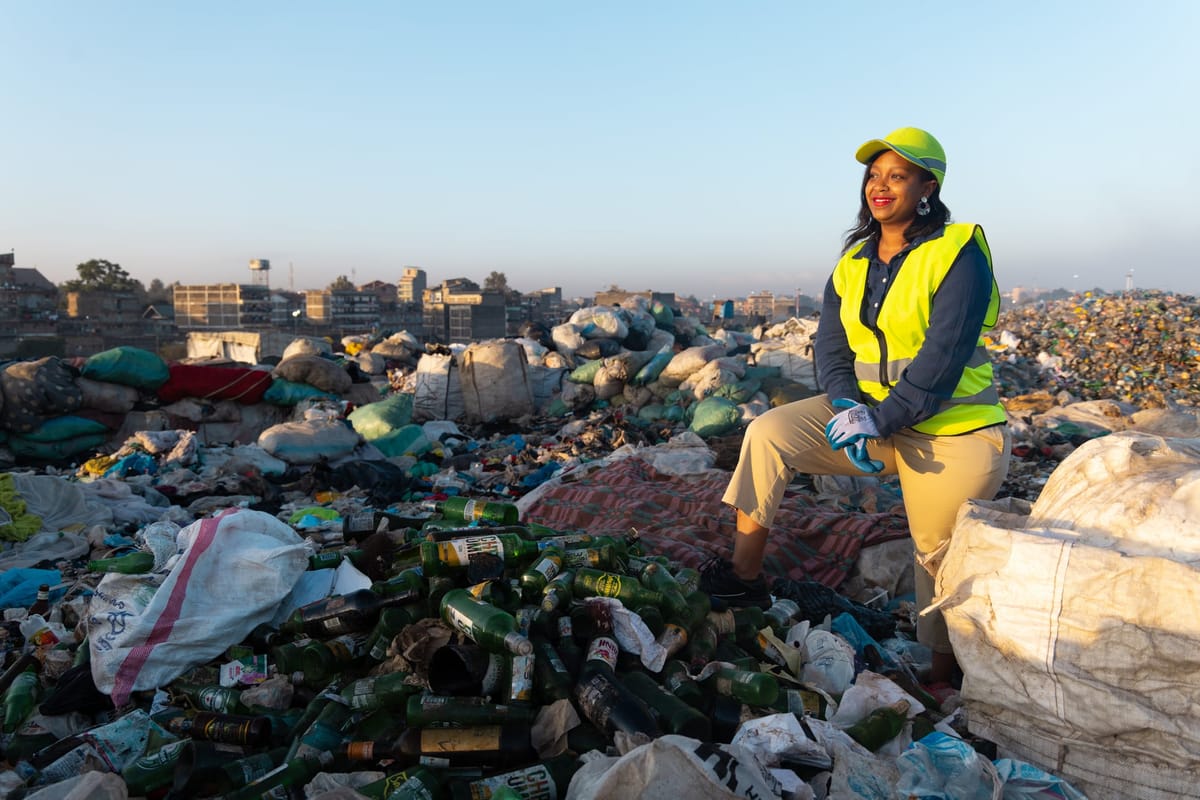
In Kenya, 310,000-plus tons of glass waste is generated annually, but less than 35% is recycled. Meanwhile, glass manufacturers and beverage companies face recycled glass shortages and rising packaging costs.
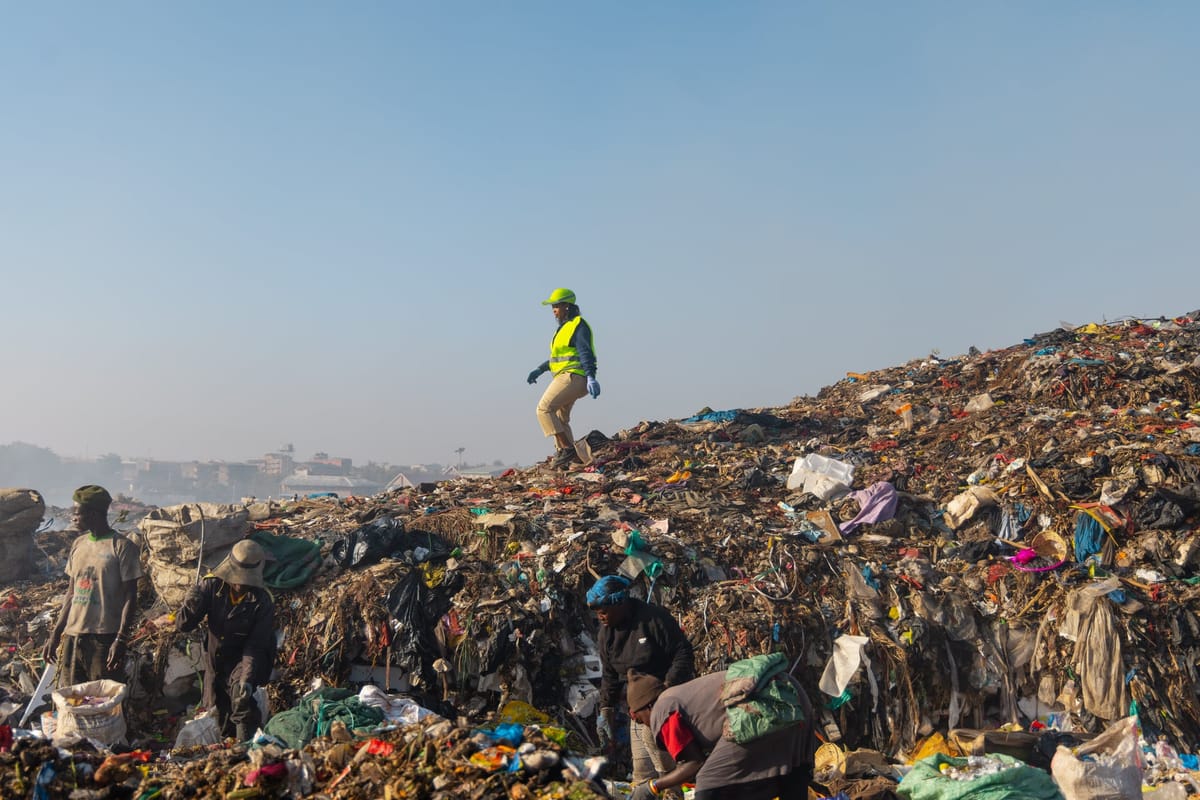
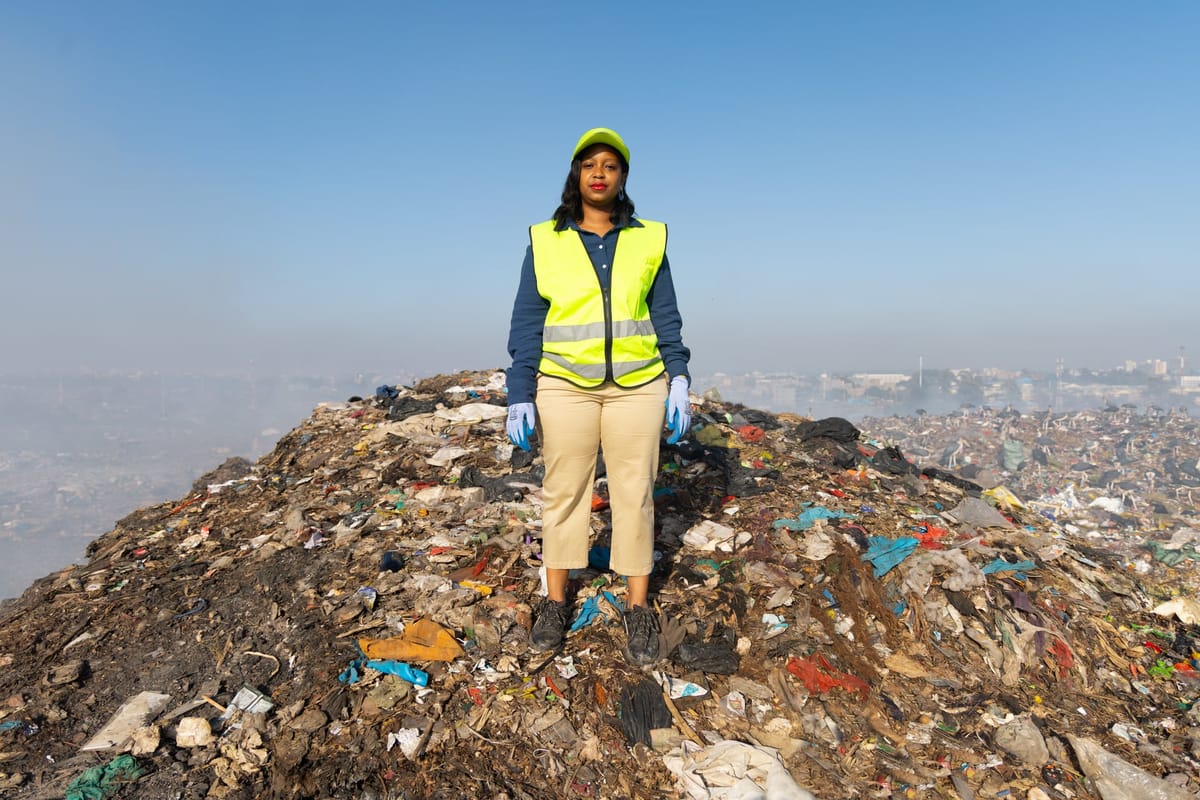
Louisa Gathecha spent a decade working across East Africa in the food and beverage industry and becoming increasingly frustrated by its stubborn reliance on virgin glass. She explains, “I kept seeing the same gap: the amount of glass packaging waste produced in the industry that was piling up in the environment and landfills, yet manufacturers still needed reliable, affordable recycled glass inputs. That contradiction pushed me to act.”
“I believe waste is only waste when we fail to build systems that give it value.”
Bottle Logistics provides a smarter, more local approach to glass collection and processing
Founded in Kenya in 2019, Bottle Logistics also works across Uganda and Tanzania. It collects, processes and returns glass into local production, reducing environmental harm, lowering costs and uplifting livelihoods by employing waste collectors.
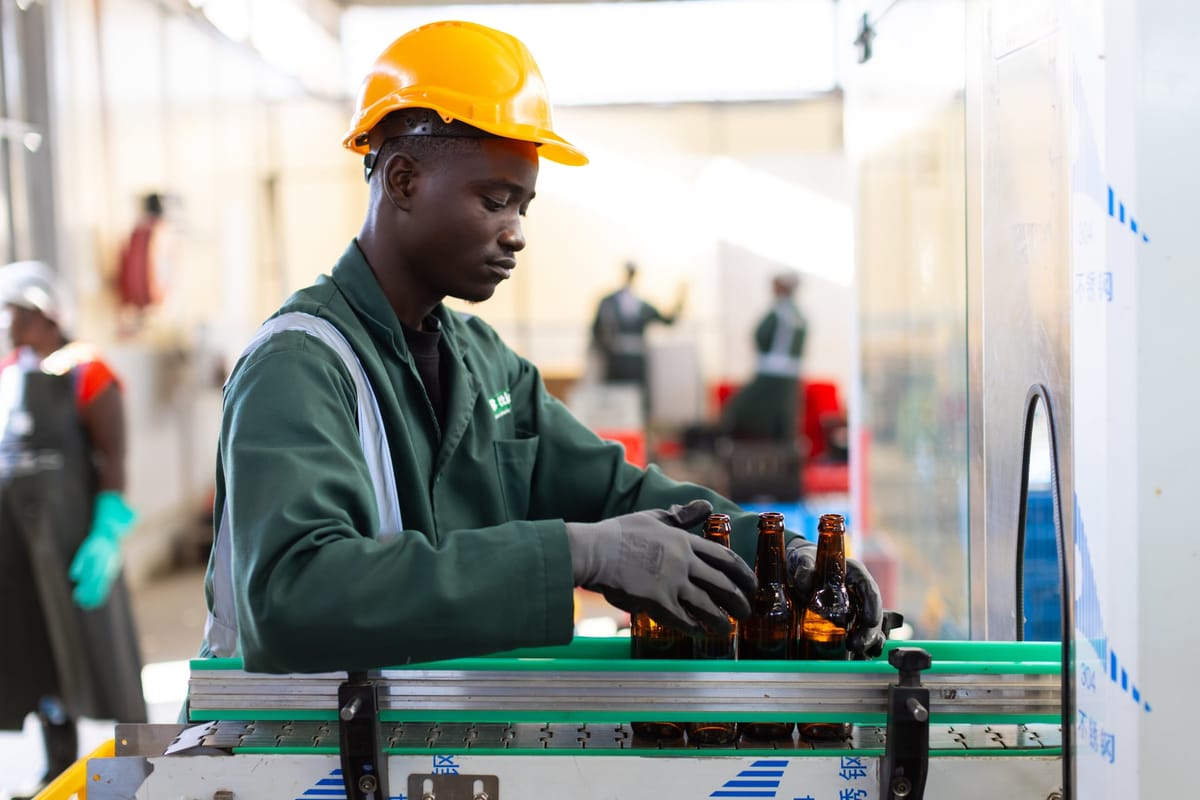
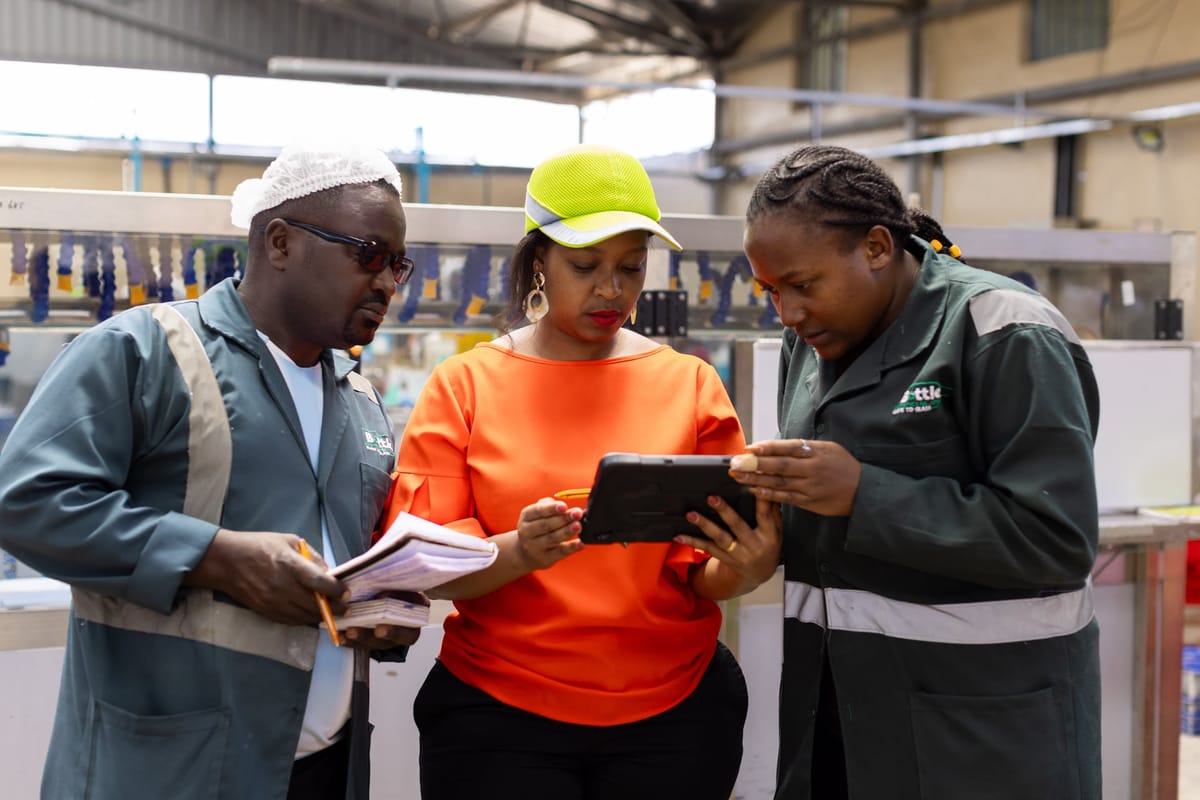
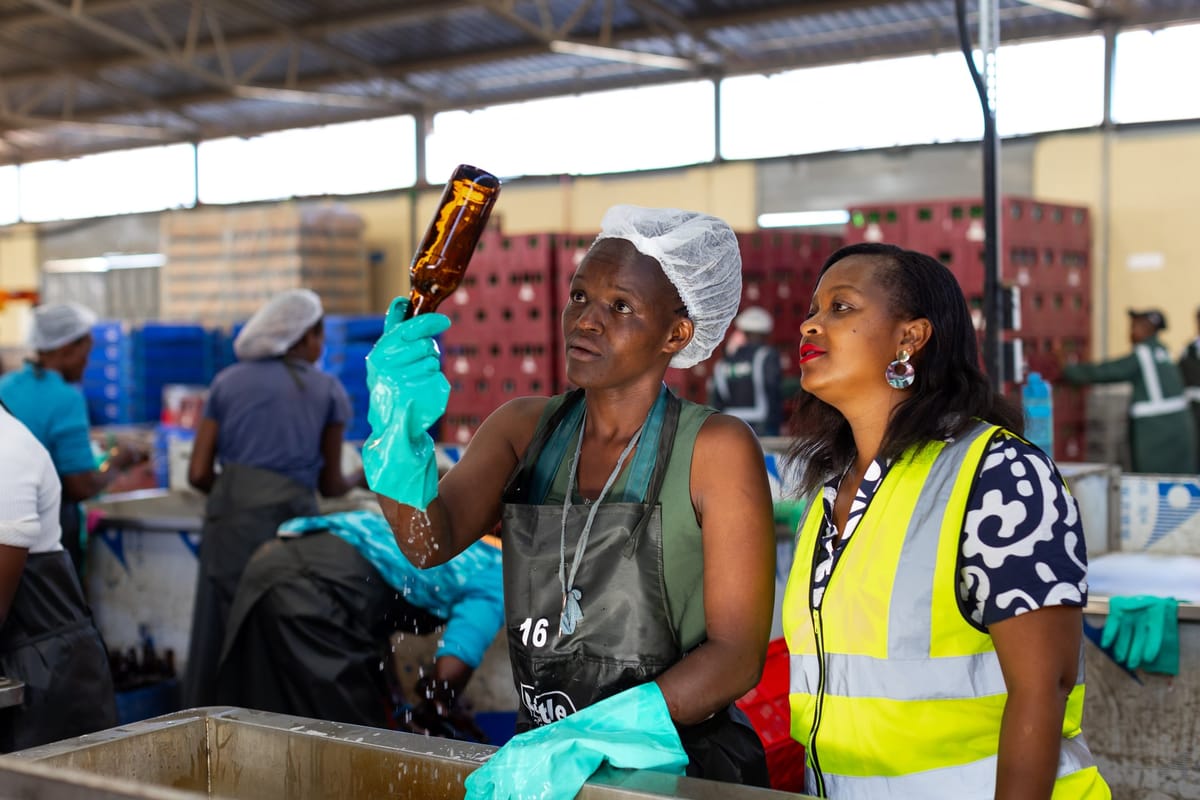
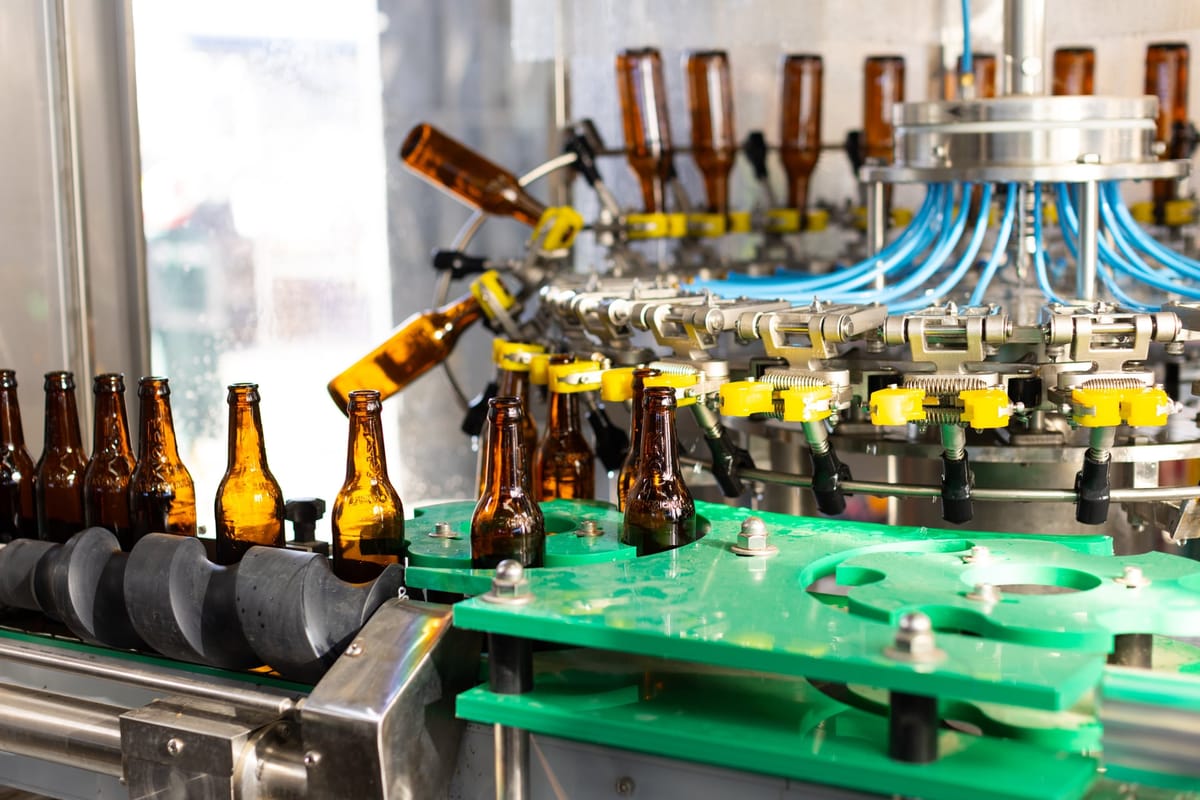
Bottle Logistics’ approach is unique in several ways. Firstly, its collection system is designed around recovering the glass as close as possible to the source, for example through arrangements with bars, hotels and restaurants. Competitors recover glass waste after it has been mixed with other waste or placed into landfill, which results in a lower recovery rate. Its semi-automated processes also set it apart and ensure the high quality and output of its finished products. Contracts with glass manufacturers and beverage companies ensure the recycled glass is reused locally.
The COVID-19 pandemic triggered significant change for Bottle Logistics, which Louisa turned to her advantage. With hospitality venues closed, household waste increased as people shifted their drink consumption to home. Its collection points began receiving more of the reusable glass bottles that would previously have been collected from venues directly by manufacturers for cleaning and refill. Louisa soon saw the opportunity to insert Bottle Logistics as a bridge between manufacturers and consumers. Today, returnable glass bottles represent 80% of its business. Louisa feels strongly that this flexibility is key to entrepreneurial success. She says, “When the business environment shifts, responding with agility is essential. That can mean being flexible enough to rethink — or even reinvent — your entire business model in order to seize new opportunities.”
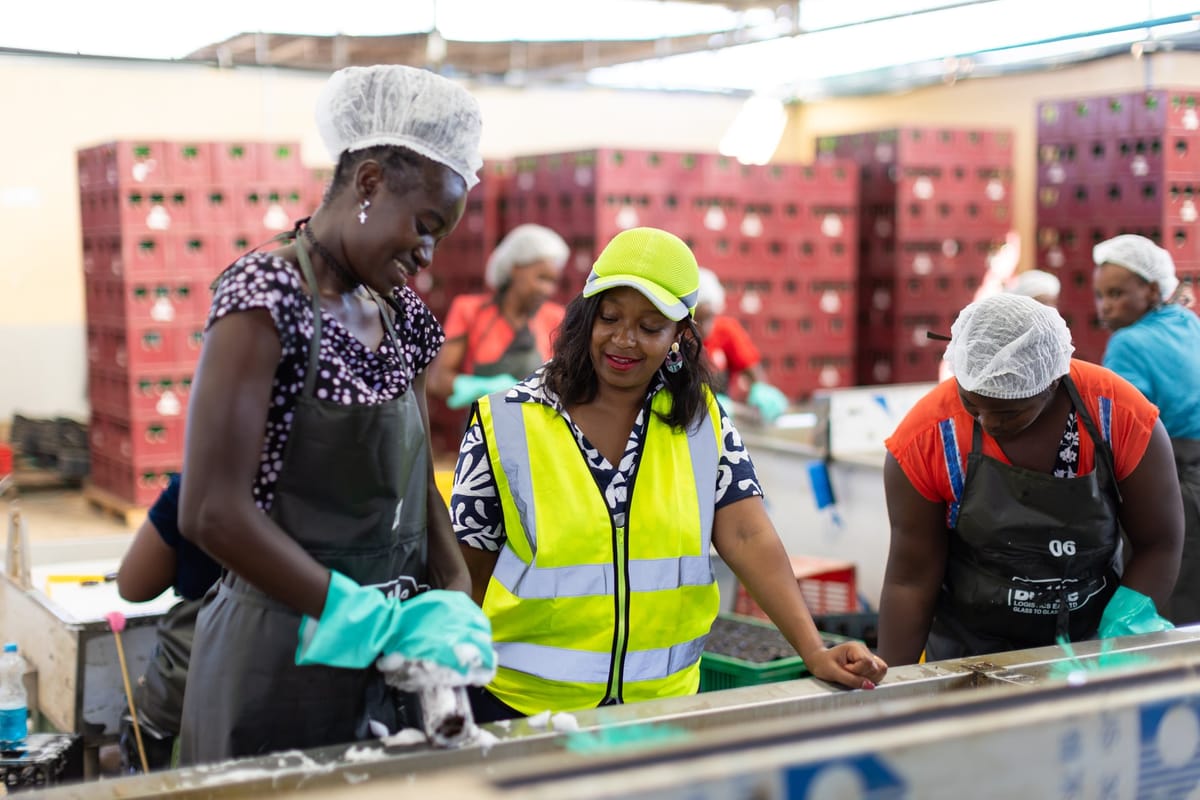
Bottle Logistics partners with networks of waste collectors and pickers throughout the country to broaden the coverage area of its operations, helping to improve local livelihood opportunities. A proportion of its staff were recruited through a partnership with a non-governmental organization, which helped women escape abusive homes or overcome drug addiction. To help these vulnerable women start new lives and gain their independence, they were offered roles with Bottle Logistics as part of their rehabilitation, and many still work within the business.
“We are building a sustainable, transparent and ethical supply chain that protects communities and keeps glass in use.”
The community and environment benefit
Since opening, the company has recycled over 66,400 metric tons of glass, created more than 350 jobs and avoided more than 11,000 metric tons of carbon dioxide emissions. Moreover, by replacing virgin sand with recycled glass, it is reducing pressure on one of the world’s most over-used natural resources.
The future looks bright for Bottle Logistics under Louisa’s leadership — she is determined to make her business the leading supplier of recycled glass in Africa and drive East Africa’s transition to a circular economy, one where every single glass bottle is recovered, recycled and reused.
“I’m energized by what’s next: expanding partnerships across East Africa and deepening innovation in reuse and recycling so that circularity becomes the default, not the exception.”
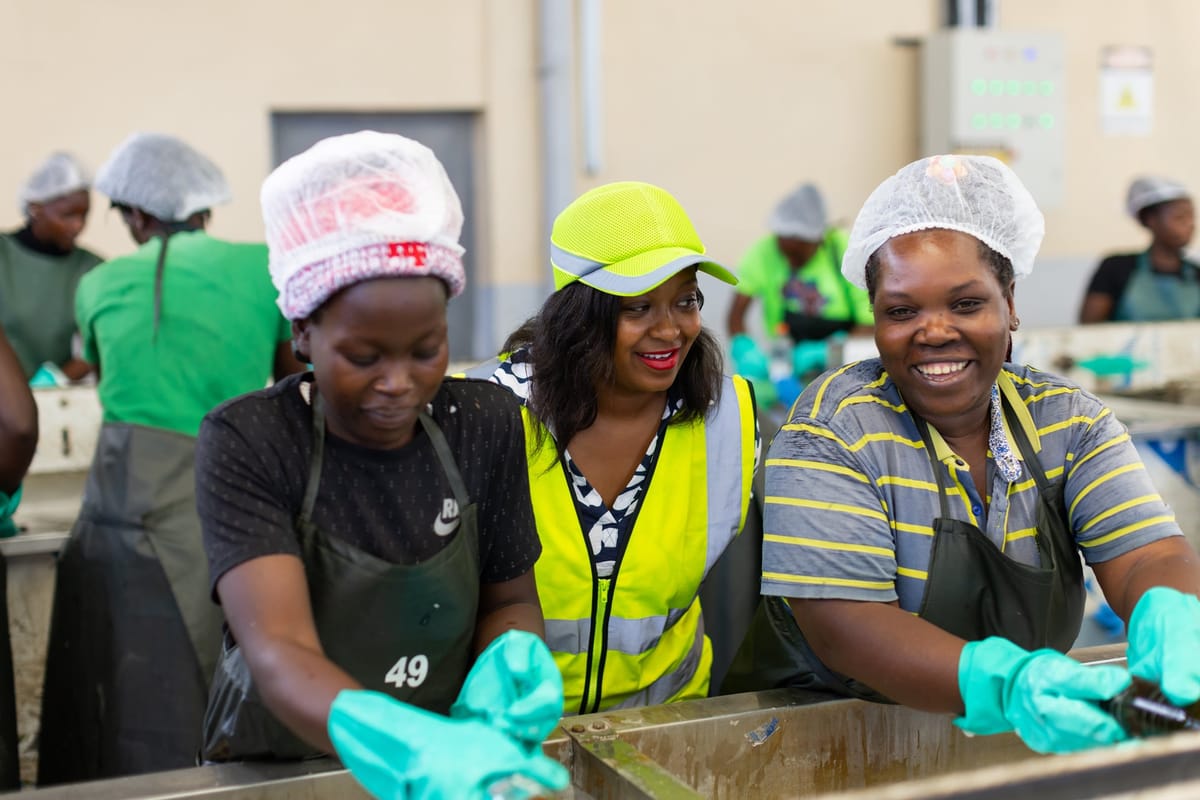
PHOTO GALLERY