Fellow Portrait
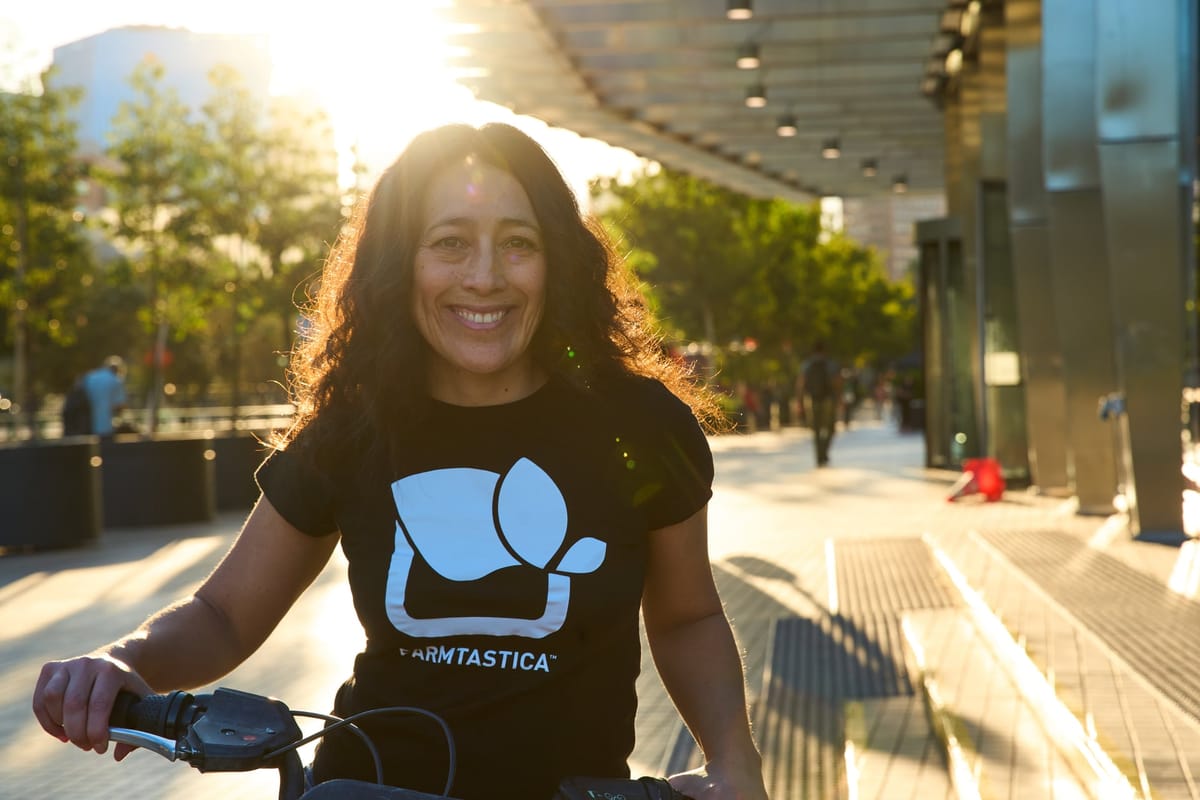
Maricruz Larrea Perez
Farmtastica

Farmtastica grows fresh vegetables year-round in controlled urban farms located close to consumers.
.svg?&quality=80&auto=webp&width=200)
Latin America and the Caribbean
Chile
.svg?&quality=80&auto=webp&width=200)
Fellow
2026
Updated March 2026
Fragile food supply chains struggle with increasingly extreme weather
Cities increasingly struggle to secure reliable supplies of fresh produce as traditional agriculture depends on long, fragile supply chains that drive waste, emissions and loss of freshness. Farmtastica was launched to tackle this.
The idea behind the business was first sparked in 2019, while Chile was experiencing its worst drought in recent history. Farming ground to a halt, with dusty, cracked riverbeds unable to feed the bone-dry fields. Supermarket prices soared and fresh produce often traveled long distances before reaching consumers. It was a conversation with one of her co-founders, about having to rely on frozen lettuce while working at remote mining sites, that convinced Maricruz Larrea Perez that there had to be a better way.
“We’re determined to democratize access to fresh, healthy food.”
An agritech approach that brings the farm closer to consumers
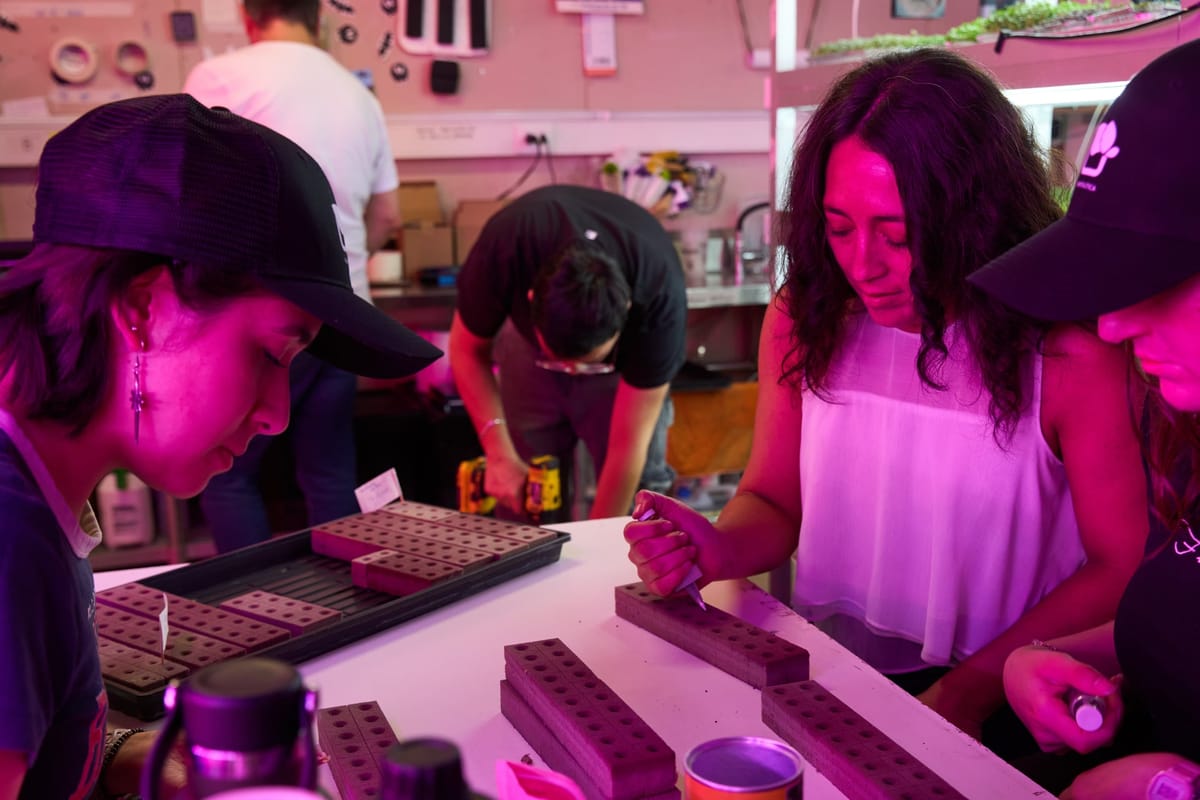
The first step was experimentation at home, growing vegetables without sun or soil using a rudimentary lamp-based set-up and researching similar solutions already running successfully overseas. Early successes proved the potential of the idea and spurred the motivation to build it into a business.
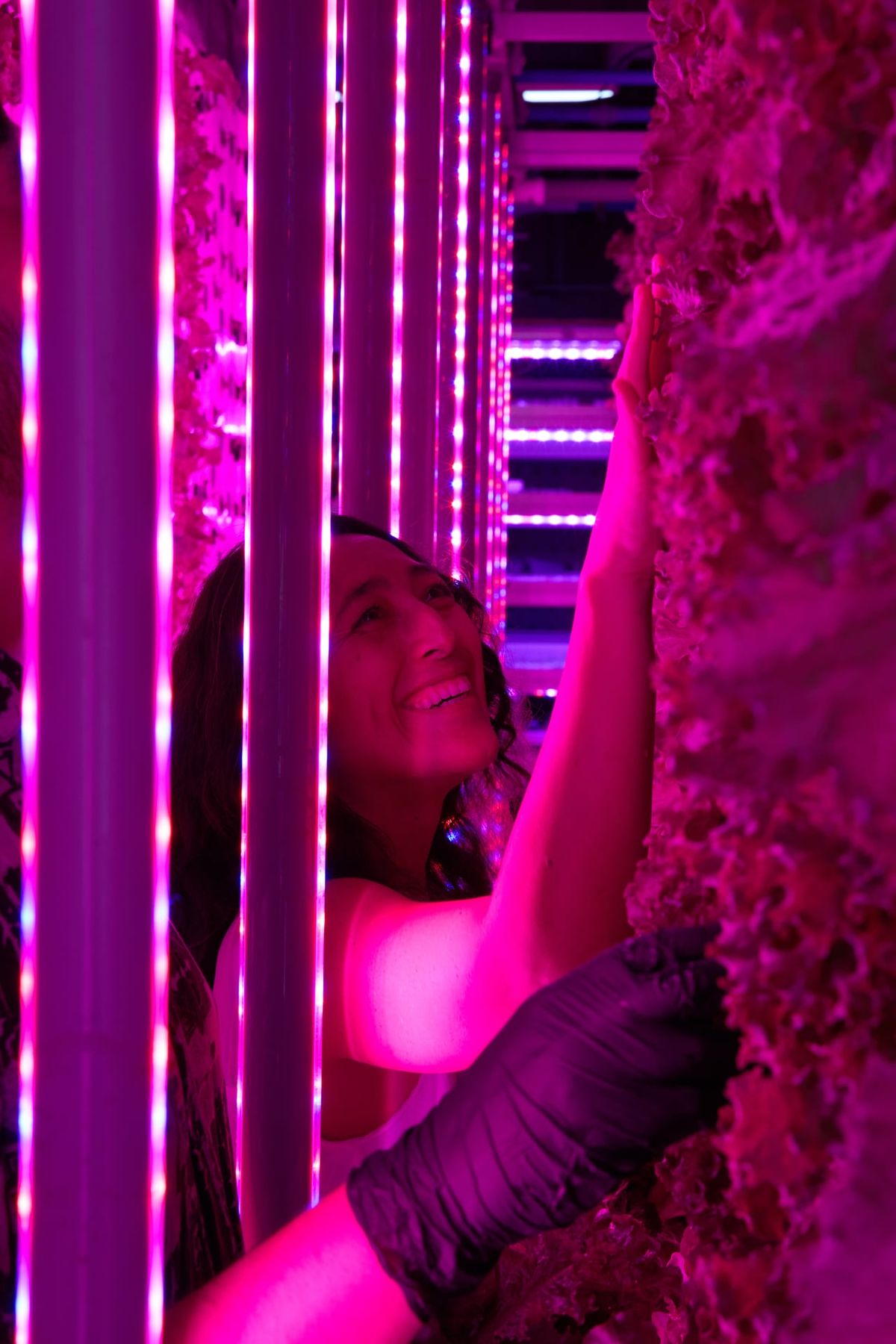
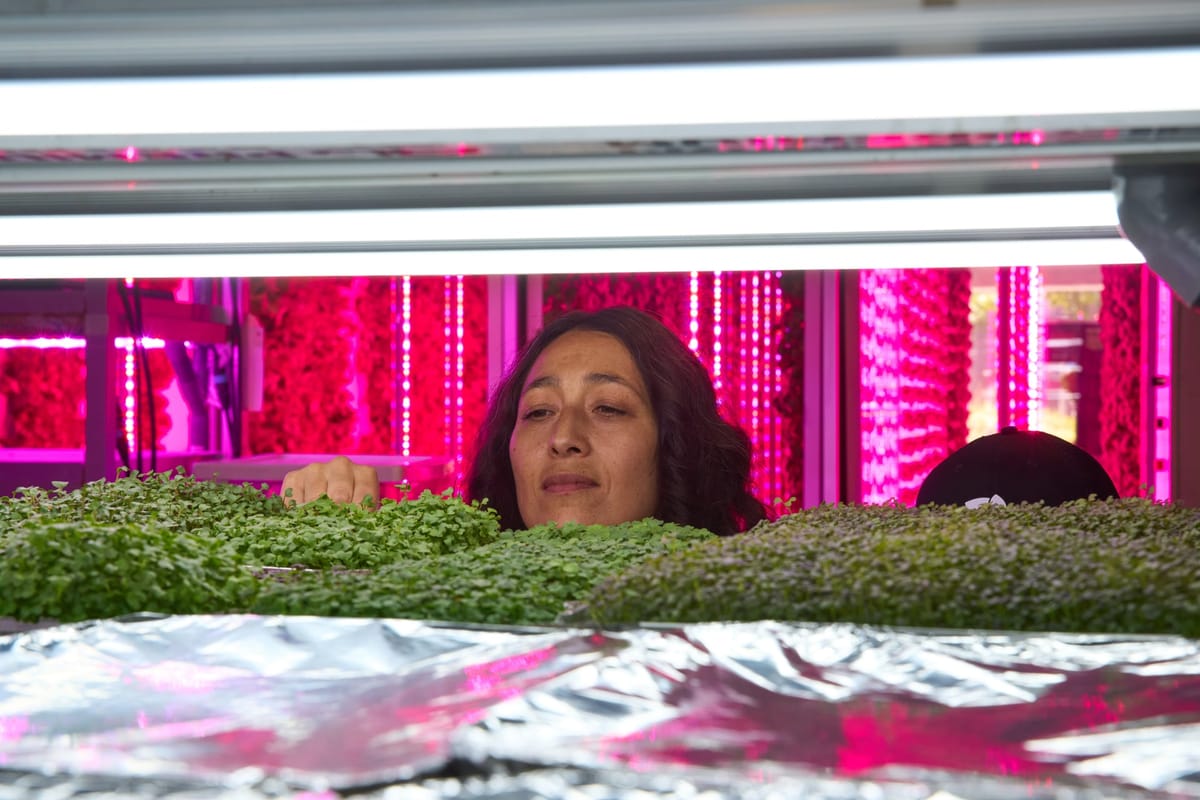
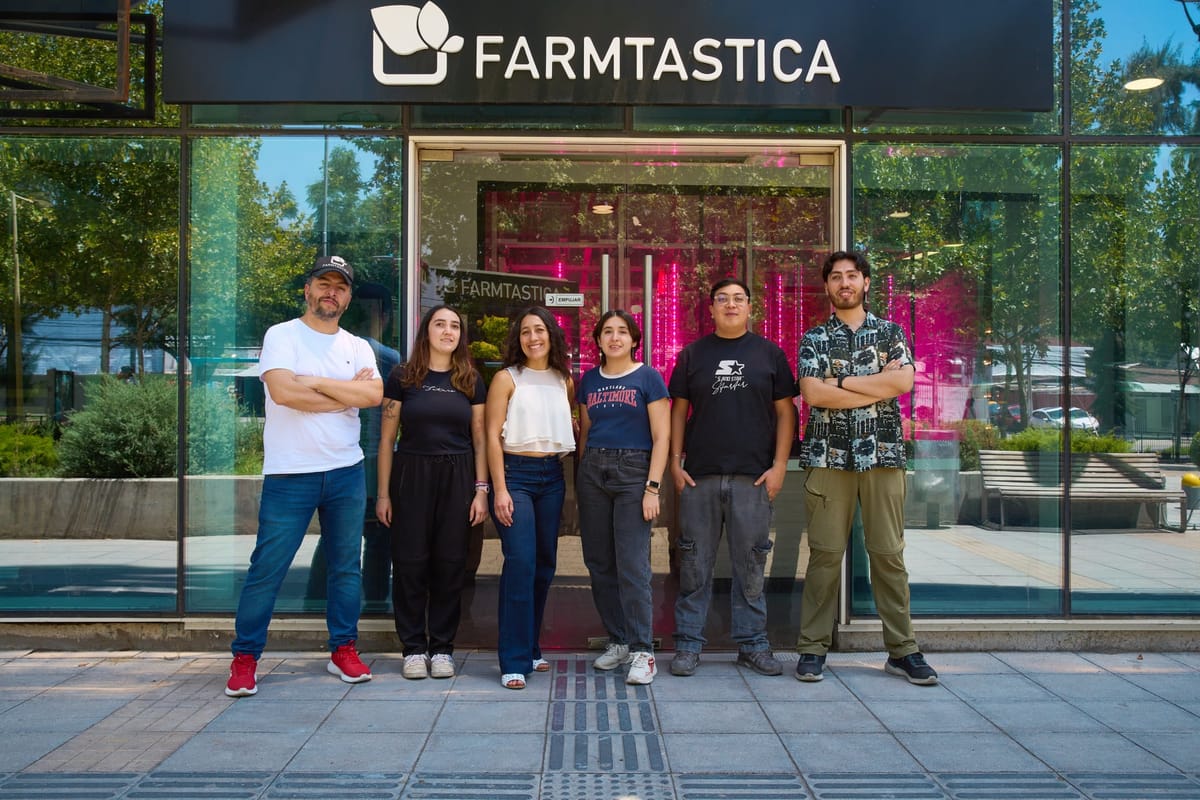
The next year, their agritech startup Farmtastica became a reality, with Maricruz leading as CEO. Farmtastica’s solution relocates production to the end of the supply chain by building its modular vertical farms in urban spaces such as shopping malls, shipping containers and parking lots. One such farm is its trailblazing installation in Mall Plaza Los Dominicos in Santiago, Chile, a city-center location with enormous windows where visitors can see their food being grown. This site represents the first controlled-environment farm inside a shopping mall in Latin America.
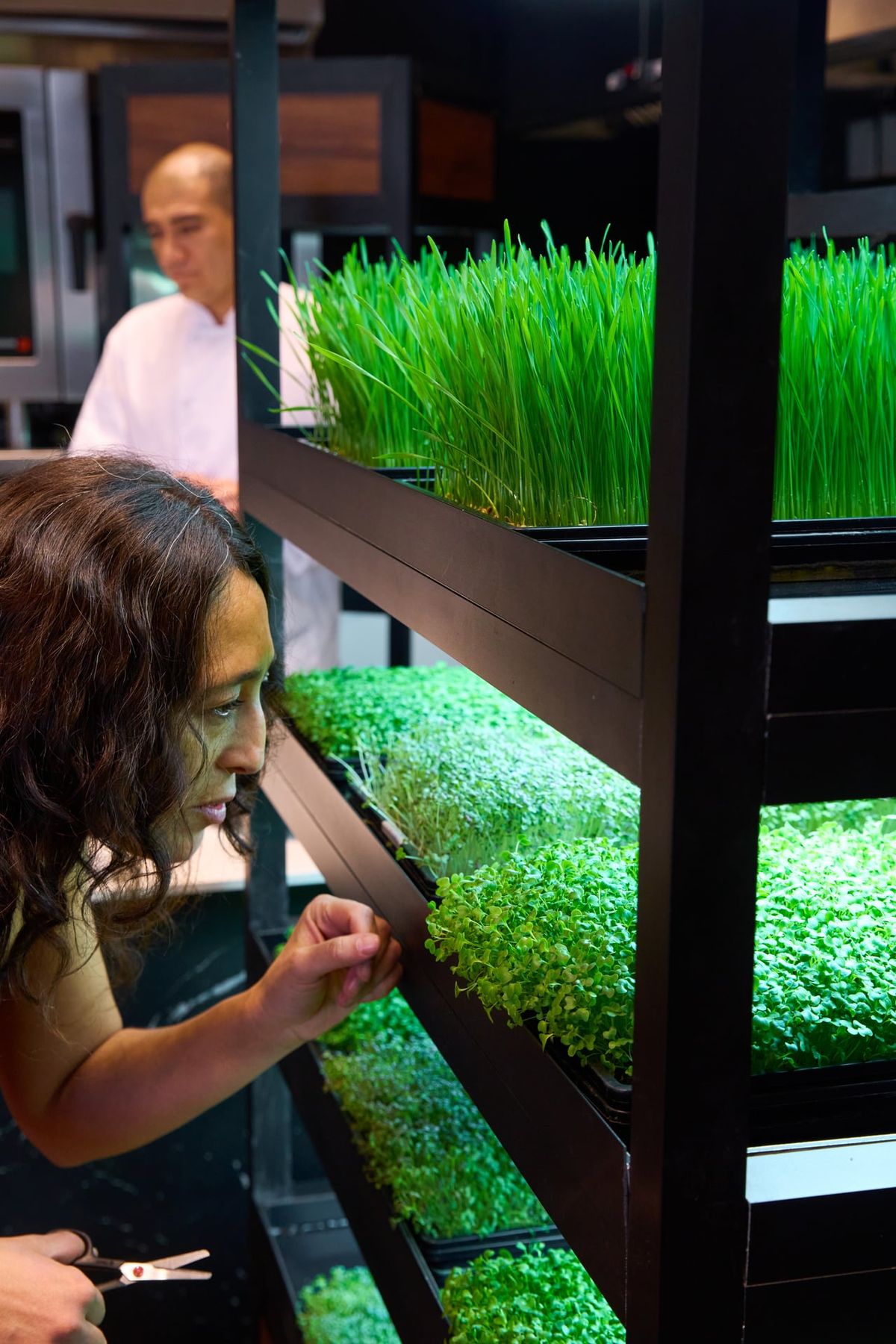
By growing produce year-round in closely controlled conditions, Farmtastica is dramatically shortening the distance from harvest to plate, reducing food loss, improving flavor and strengthening urban food resilience. It currently focuses on growing leafy greens and herbs, which are among the most perishable crops and a major source of food waste in traditional supply chains.
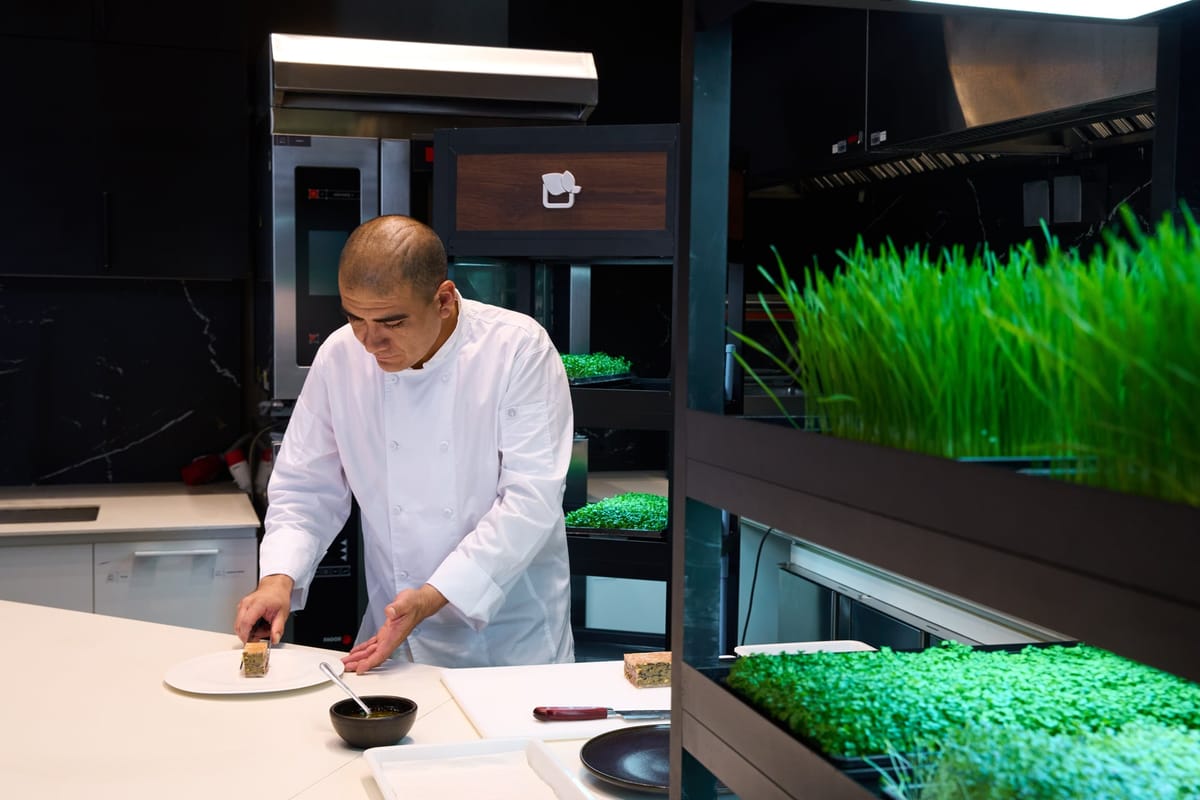
This approach has significant sustainability benefits, using 95% less water compared to traditional agriculture, dramatically reducing transport-based emissions and cutting food waste due to longer shelf lives. Its customers — currently comprising restaurants and conscious consumers — receive reliable access to high-quality local vegetables grown without pesticides.
The technology that makes it all possible is developed in-house, from its system design to the automation that controls lighting, irrigation, temperature, nutrients and other key growth factors. The resulting setup is highly scalable and Maricruz plans to expand operations to build resilient, traceable, and low-footprint food systems in the heart of cities worldwide.
A growing part of its business is its technology partnerships, which will help to enable this global expansion. Through these partnerships, Farmtastica provides turnkey cultivation systems to organizations who would like to develop their own modular farms, along with ongoing agronomic support.
“I’m proud of my journey in the male-dominated agriculture and agritech space, and I hope it encourages others to follow their passions and believe they can create positive change through their work.”
A scalable farming solution fit for the future
Since early 2025, Farmtastica has saved more than 43,000 liters of water each month and preserved nearly 6,000 square meters of arable land, showing how cities can grow more food while using fewer resources. This space-efficiency is very important. As Maricruz points out, “The world isn’t going to get any larger, but as the population grows, we need to find a way to feed more people. This is our solution.”
In addition, it is developing a system where herbs and vegetables grown in its farms can be delivered live, allowing customers to handpick and harvest them at the point of consumption in a restaurant or supermarket setting. As well as ensuring the freshest possible produce, this connects consumers to the origins of their food.
As our climate changes and traditional fresh food supply chains become increasingly unstable, it is technology-based scalable solutions like these inner-city indoor farms that will be the key to food security. In Chile, and soon much further afield, Farmtastica continues to lead the way.
“We are creating today the agriculture of tomorrow.”
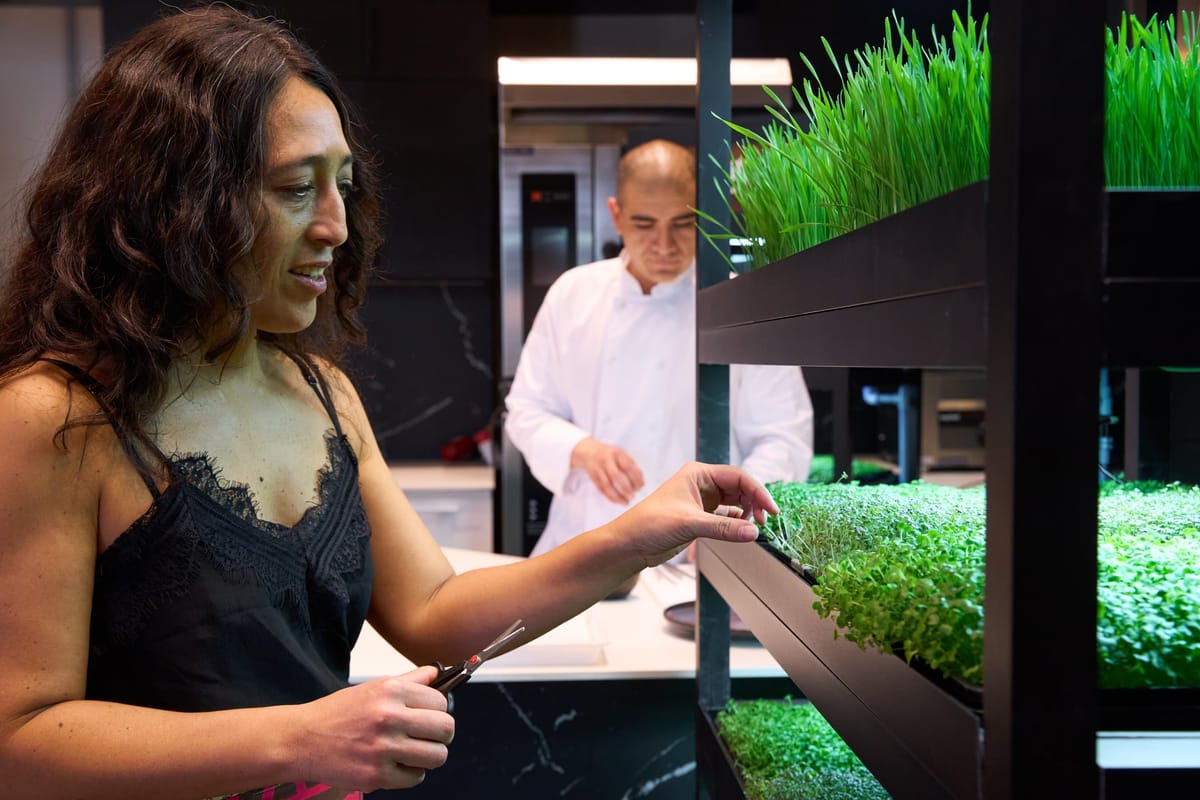
PHOTO GALLERY