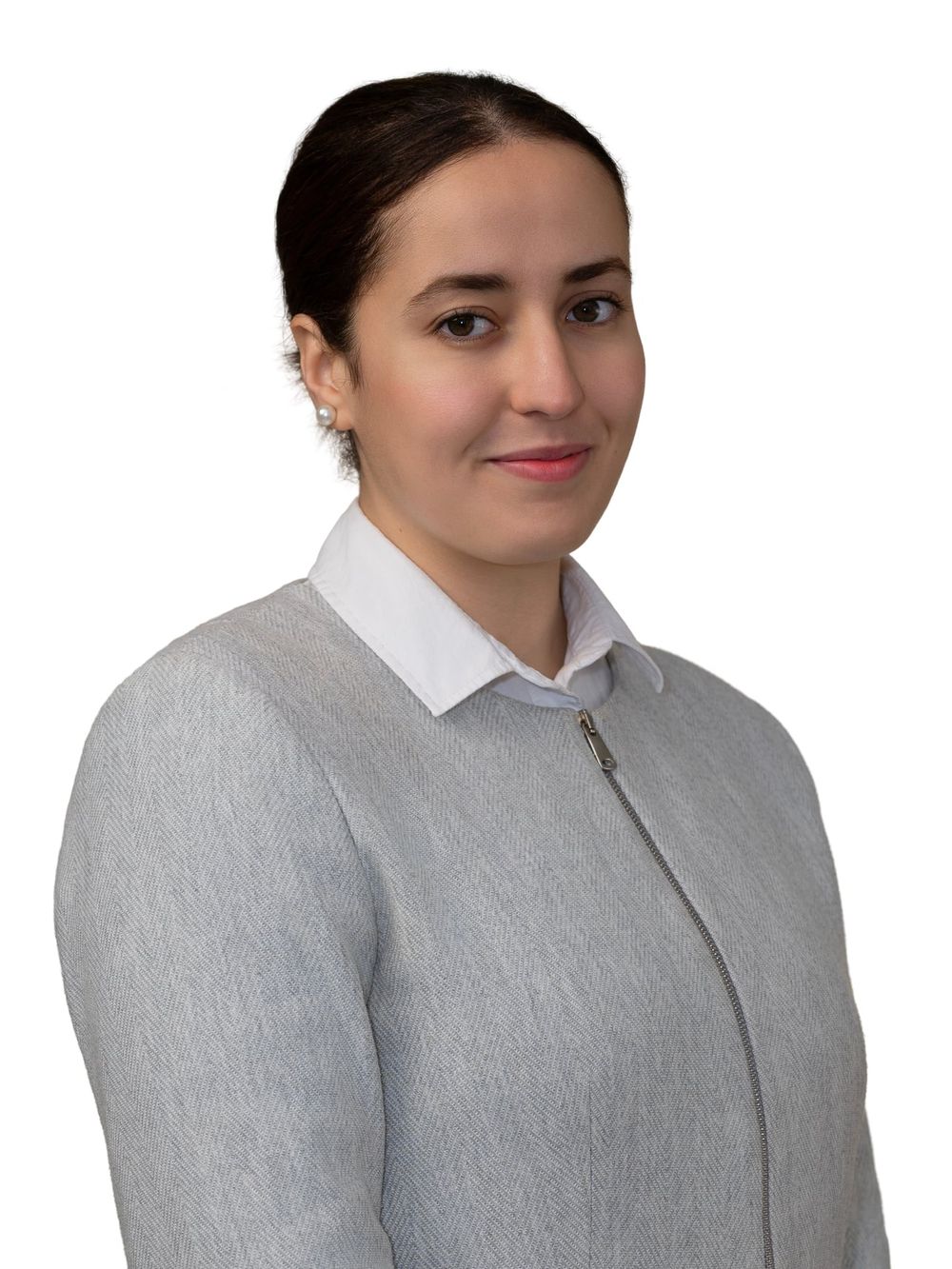
Fellow Portrait
Nidal Tafah
MIRRIAH
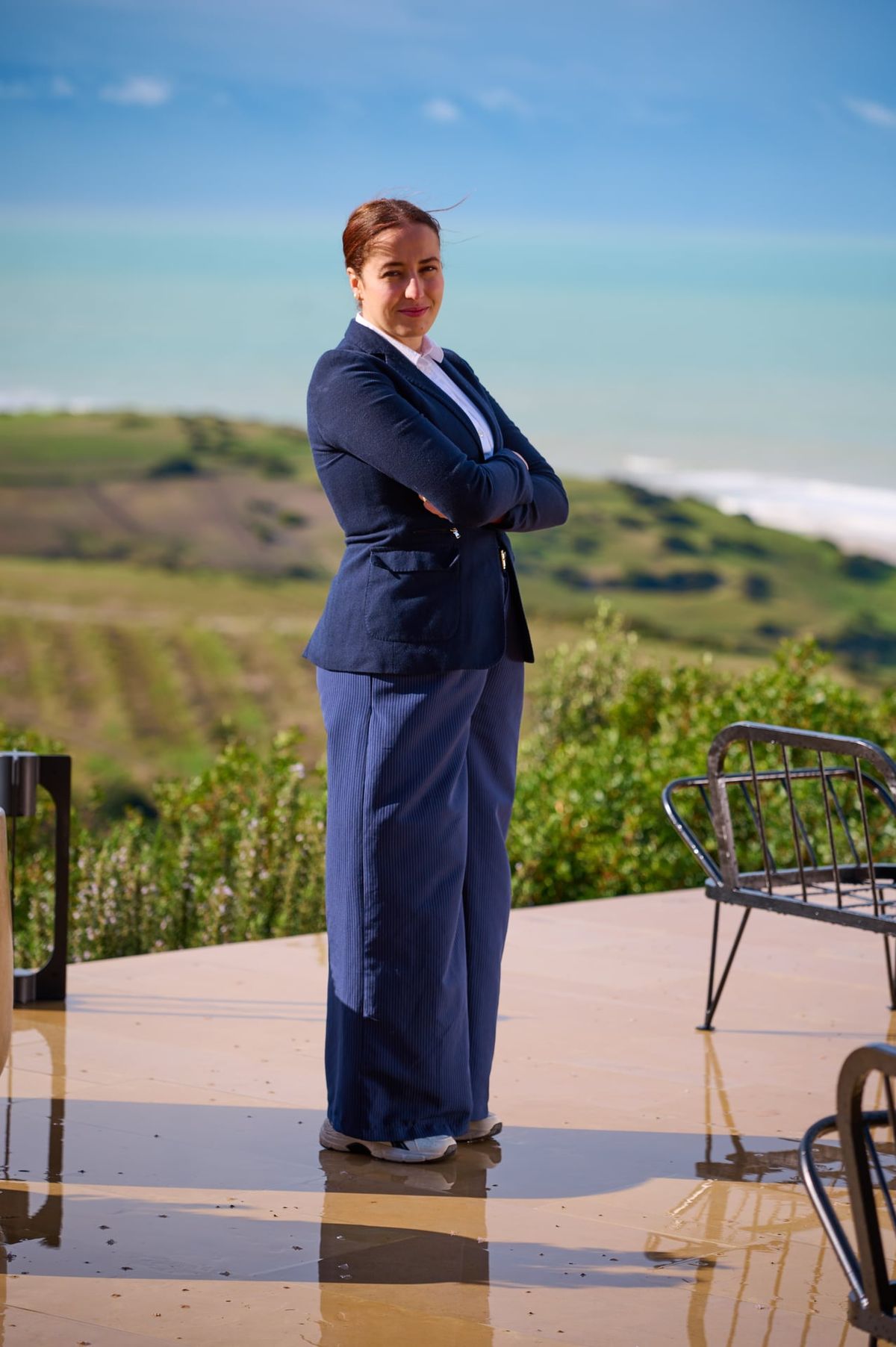
MIRRIAH empowers smallholder farmers in Morocco with an affordable, solar-powered irrigation system that allows them to grow more food while using less water.
.svg?&quality=80&auto=webp&width=200)
Middle East and North Africa
Morocco
.svg?&quality=80&auto=webp&width=200)
Fellow
2026
Updated March 2026
Fossil fuel irrigation that traps smallholder farmers in poverty
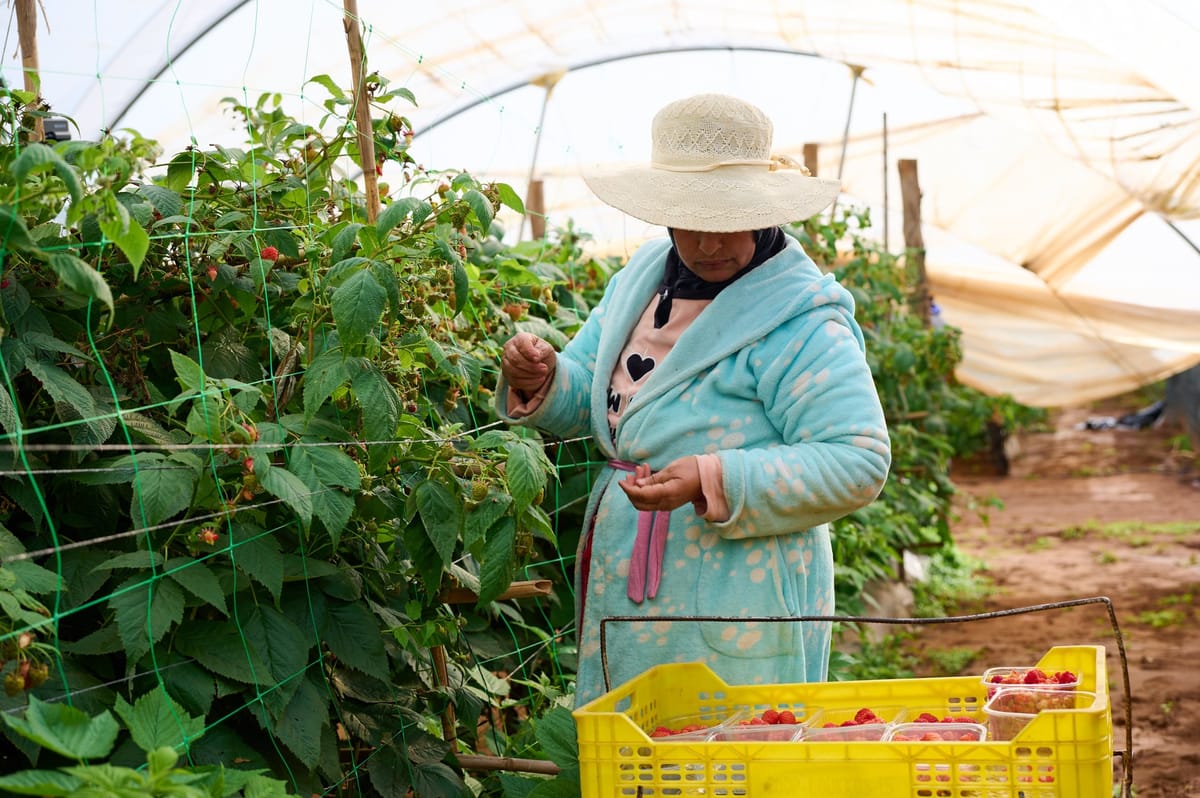
In the arid rural regions of Morocco, smallholder farmers labor under extreme heat to grow food on plots often smaller than one hectare. Many rely on butane-fueled pumps to irrigate their land. As fuel prices rise and water becomes scarcer, irrigation consumes a staggering share of household income, trapping farmers in cycles of debt and insecurity.
A rural engineer who comes from a long line of farmers, Nidal Tafah experienced the precarity of that existence firsthand. “Eventually, my parents had to leave the countryside for the city to afford a better life,” she says.
However, both of her grandfathers stayed. And while they worked the land their entire lives, they died poor. “They fed people, but no one ever designed systems that worked for them,” Nidal recalls. Small farmers were seen as too risky for banks, too small for companies, too invisible for investment. The injustice stung: “They didn’t deserve to die that way and neither do millions of others who feed us.”
Nidal was left with a nagging question that prompted her to action: if everyone leaves rural communities behind, who will support the people who grow our food?
“This isn’t just a business for me. It’s a responsibility — to go back and rebuild what was left behind.”
Providing a pathway to energy freedom
Nidal studied for a rural engineering degree then returned to the field, where she saw a contradiction repeated again and again: farmers adopting water-saving irrigation systems powered by polluting, costly fuel. “They were saving water,” she says, “but increasing emissions, and expenses.”
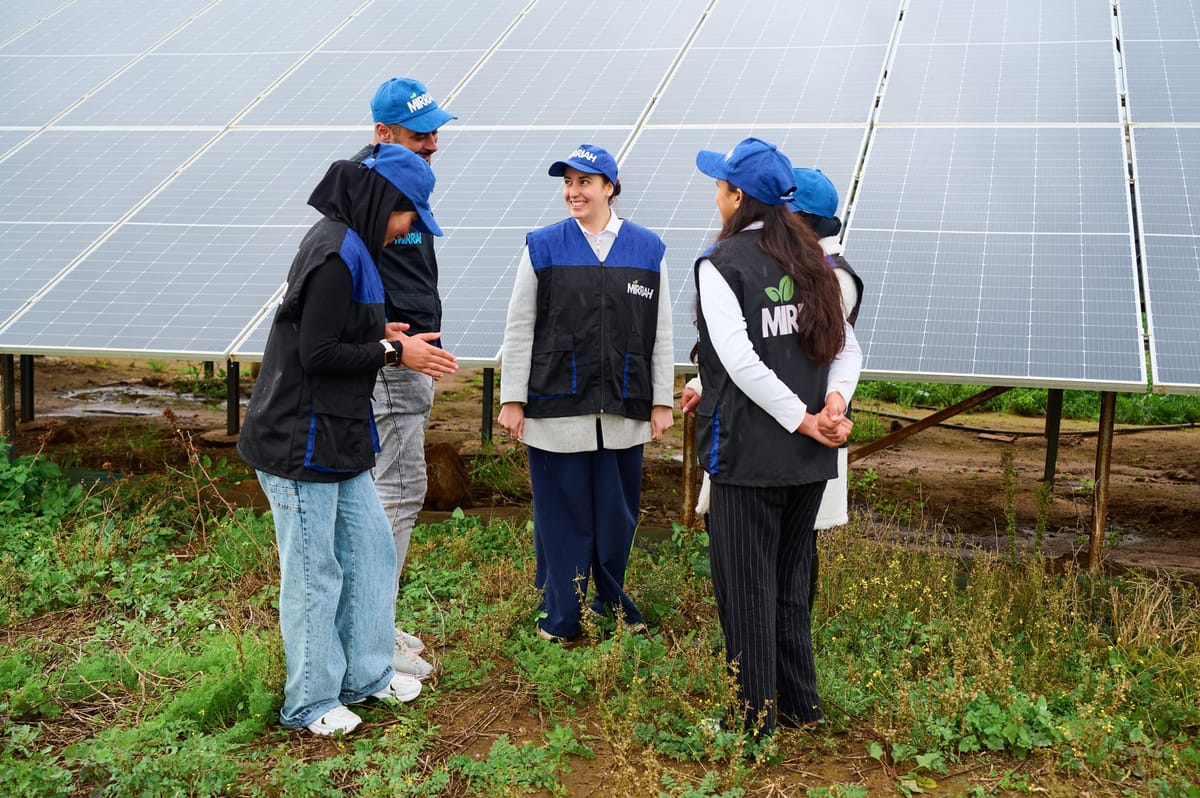
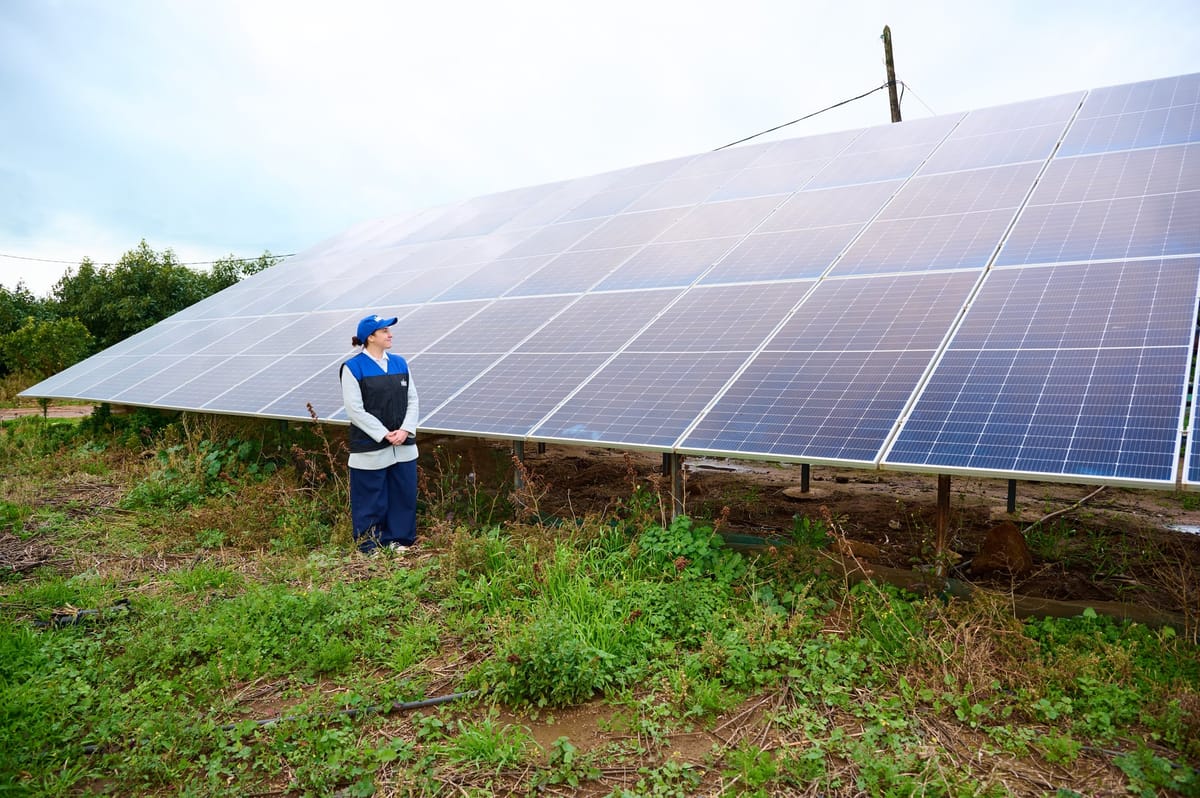
In 2020, she co-founded MIRRIAH — which in Arabic means “relief” or “comfort” — an off-grid irrigation company designed specifically for smallholder farmers in rural Morocco. MIRRIAH replaces fuel dependence with affordable, solar-powered smart irrigation kits tailored to each farm’s size, crops and terrain.
Unlike one-size-fits-all systems, MIRRIAH begins with an on-site diagnostic. The team installs, trains and provides long-term support, walking alongside farmers rather than selling and leaving. Equipped with these solar kits, smallholders see their energy costs drop by up to 80% and water use by almost half.
Crucially, MIRRIAH’s modular approach frees farmers from dependence on costly, polluting fuel pumps. Farmers begin by replacing their butane-powered system with a compact solar irrigation kit. Instead of spending money each month on fuel, they use those same funds to pay off the solar system in installments. Once it is fully paid, the energy is free. As their savings grow, they can upgrade step by step to a more advanced, fully off-grid system. “We call it ‘pay as you grow,’” Nidal explains. “You use what you used to spend on fuel to buy your energy freedom.”
MIRRIAH’s approach does not stop at individual farms. The model is also designed to strengthen entire rural ecosystems. The company trains rural youth and women as certified technicians, creating local service networks and dignified green jobs. “Our innovation isn’t only what we build,” Nidal says. “It’s about creating empowered, sustainable communities.”
“This is how we fight water scarcity, energy poverty and rural exclusion — one sun-powered farm at a time.”
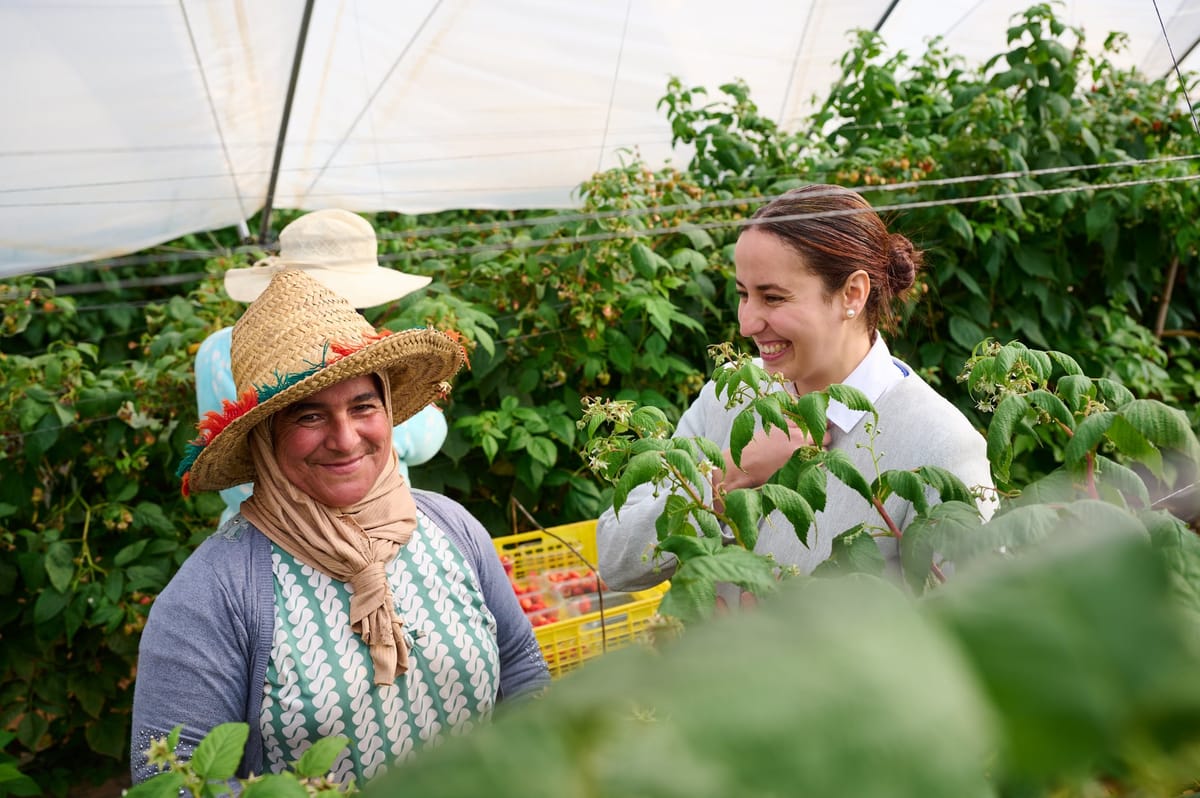
From fragile plots to resilient futures
To date, MIRRIAH has supported around 800 farming families, helping them save 9.6 million cubic meters of water, optimize 1,300 hectares of land and produce 50,000 metric tons of food. The company has created 150 green jobs and supported 30 women’s cooperatives in transitioning to solar irrigation.
The impact is often generational. Nidal recalls a farmer who once spent 40% of his income on fuel. After switching to solar, he was able to save enough to send both of his daughters to school. “That would have been impossible before,” she says.
For Nidal, women’s empowerment has been a particularly encouraging aspect of MIRRIAH’s impact. The business has trained dozens of women as technicians and operators, opening pathways to income in regions where opportunities are scarce. “What moves me most isn’t the technology,” she says. “It’s the people — especially young women — realizing they have skills, value and a future.”
In 2026, MIRRIAH aims to train and certify 300 additional rural youth and women, expand into two new Moroccan regions and reach 1,000 new farmers.
Looking further ahead, Nidal sees far broader potential. “If we scaled this across Africa,” she says, “it could mean the end of energy poverty for the very people who feed the world.”
“Our vision is a just green transition that includes even the smallest farmer — ensuring no one is left behind.”
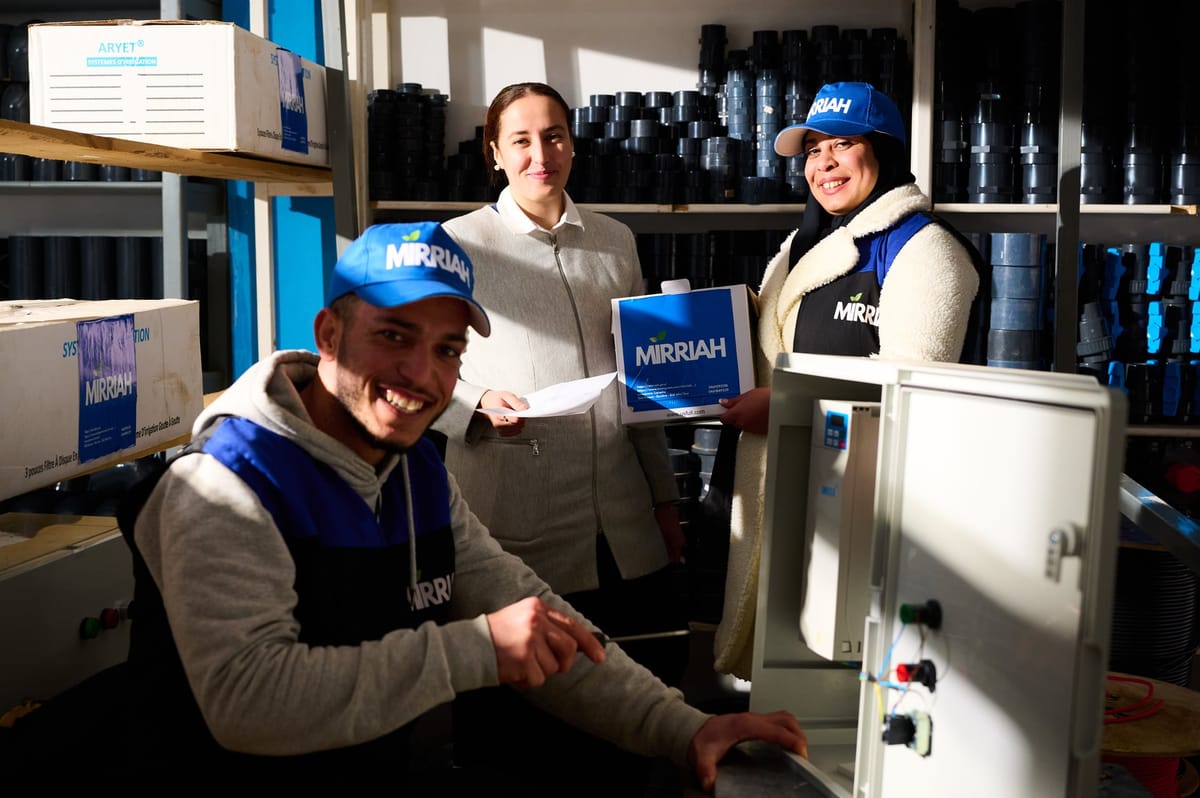
PHOTO GALLERY