Fellow Portrait
Prakriti Gautam
Khetipati Organics

Khetipati Organics is an agro-processing company working with indigenous communities and smallholder farmers to reduce food waste and strengthen rural livelihoods in Nepal.
.svg?&quality=80&auto=webp&width=200)
South Asia and Central Asia
Nepal
.svg?&quality=80&auto=webp&width=200)
Fellow
2026
Updated March 2026
Without access to processing and storage, food spoils and rural livelihoods suffer
In rural Nepal, farmers often lose a significant share of their harvest before it ever reaches customers. Limited access to processing and storage, combined with fragile transport links and difficulty accessing markets, leaves surplus fruits, vegetables and spices to spoil. Climate change exacerbates the challenge, triggering landslides, erratic rainfall and crop damage. For many families, farming becomes unsustainable, pushing younger generations to leave their villages in search of work elsewhere.
Prakriti Gautam was working in Nepal’s corporate sector on major development projects when a short trip to the hills changed her trajectory. “I was searching for a purpose I could truly connect with. Managing massive infrastructure projects was meaningful in many ways, but it wasn’t me.” A few hours away in the hills, she saw piles of avocados rotting for lack of a market. Having lived overseas, including while studying for a master’s degree at the London School of Economics, she understood the value these same ingredients commanded abroad. “In the United Kingdom, I once paid £5 for a single avocado,” she says.“Here, they were being thrown away.”
Throughout her travels she realized the pattern was the same: farmers working hard, harvests lost and livelihoods diminished. Climate change was not an abstract concept but a daily disruption, especially for women farmers, navigating both environmental risk and entrenched inequality. “Once I saw how disproportionately this affected rural communities,” Prakriti says, “I could not unsee it.”
“I shifted gears to build something that would make farmers’ work visible, viable and valuable.”
Transforming surplus produce into long-lasting shelf staples
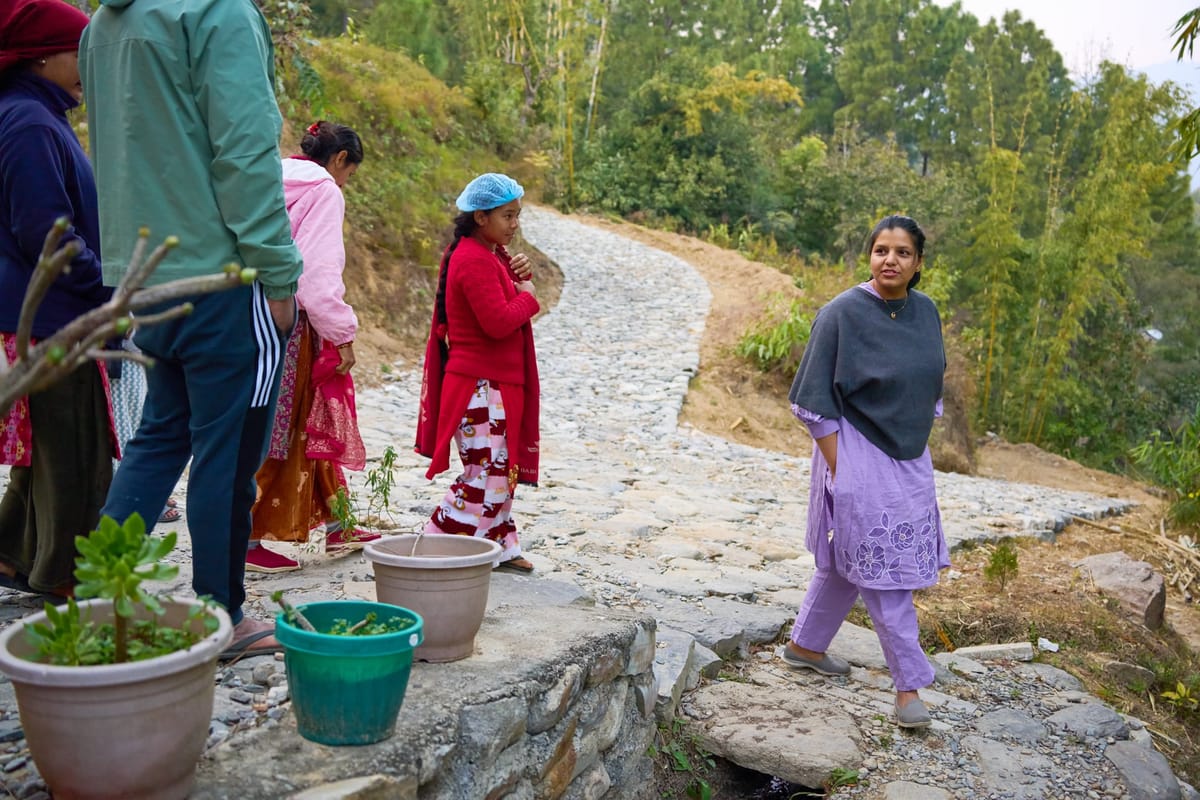
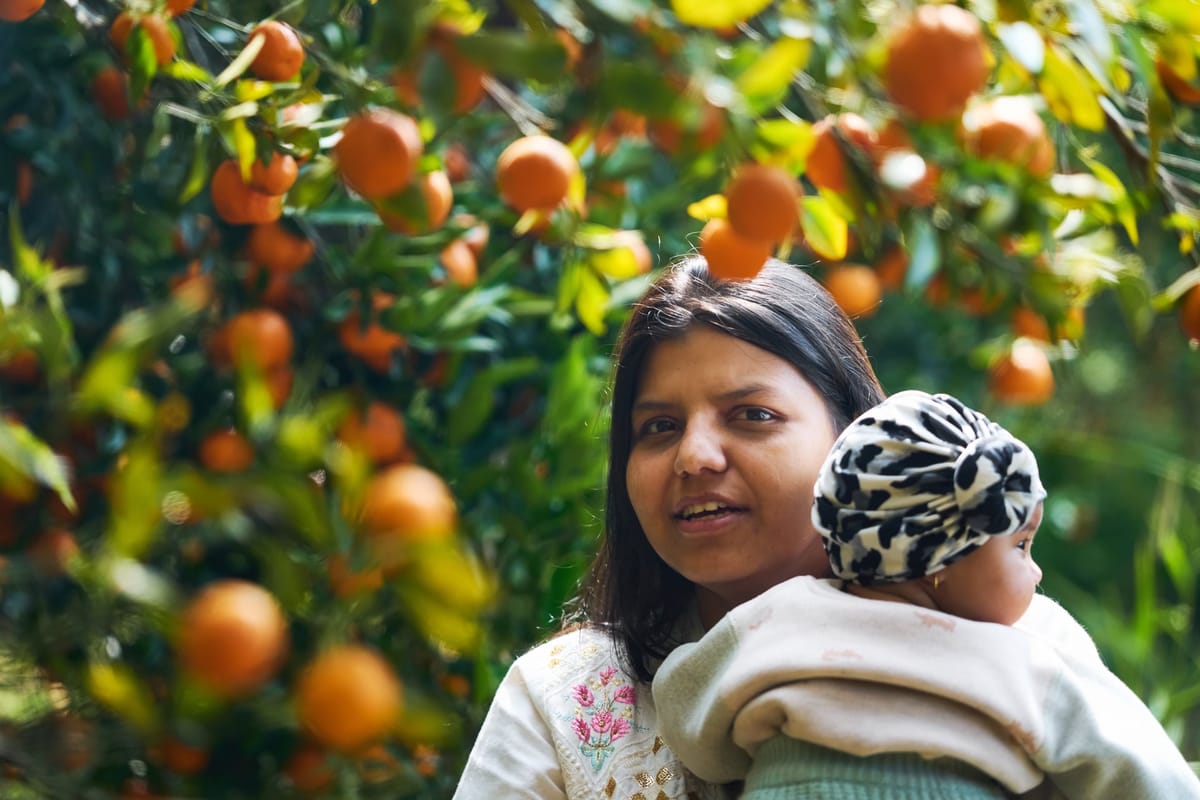
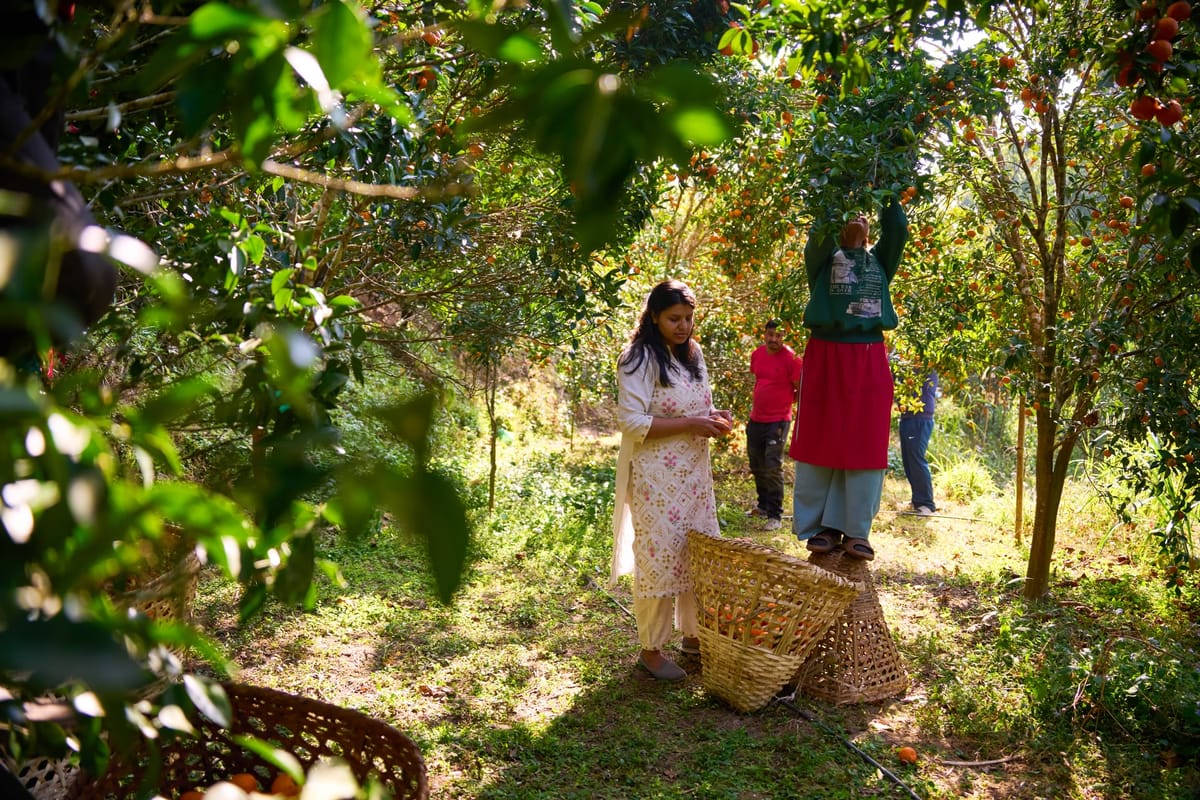
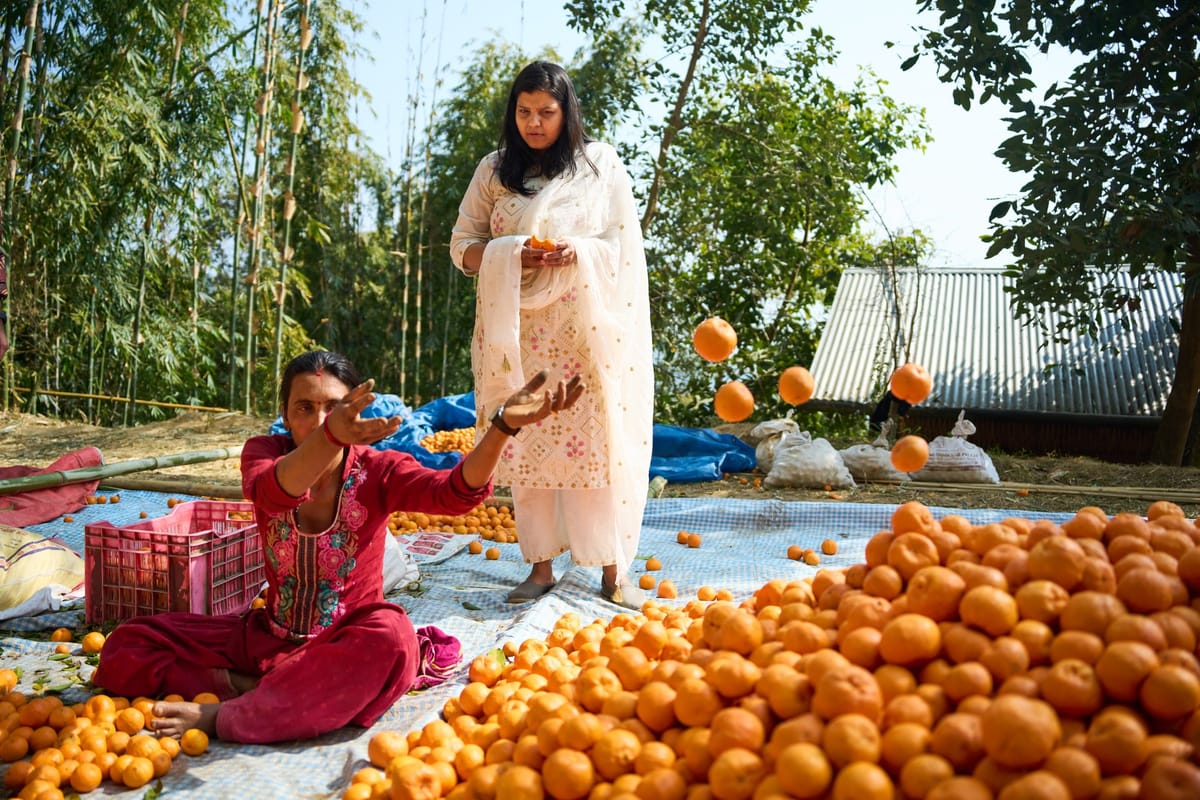
Prakriti founded Khetipati Organics in 2019 to tackle post-harvest loss. The agro-processing company works with indigenous communities and smallholder farmers across Nepal, transforming surplus and seasonal produce into dried fruits and powdered spices.
Khetipati, which means cultivation in Nepali, partners directly with producers, purchasing crops that markets often reject because they are too small, irregular or too abundant to sell fresh. Through dehydration and freeze-drying, these harvests are transformed into long-lasting, nutrient-rich products, creating income from produce that would otherwise go to waste.
Rather than allowing middlemen to capture most of the profit, Khetipati Organics processes crops close to where they are grown, ensuring farmers maintain a greater share of income.
“For farmers, it means reliable sales and consistent income. For customers, it means clean, traceable ingredients they can trust,” Prakriti notes.
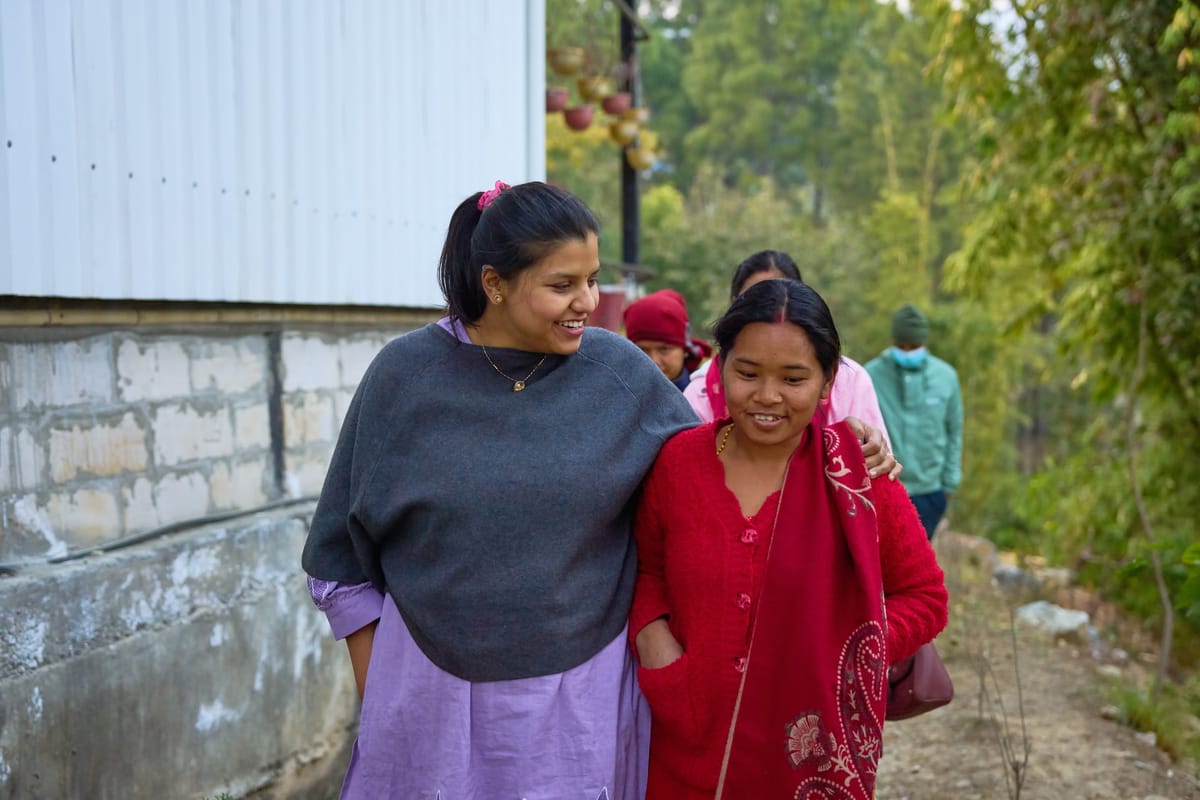
Khetipati Organics also creates year-round employment for women and youth from indigenous and marginalized communities, offering dignified rural jobs amid rising urban migration.
While her background may be corporate, Prakriti is proud that her team reflects the communities it serves: “Santosh Thapa, who leads our grassroots procurement, is born to a subsistence farmer, anchoring the company’s work in lived farming experience.”
“I’m building an ethical, women-led agro-enterprise that reduces post-harvest loss, creates dignified rural jobs and takes Himalayan products to global markets — without compromising on quality, equity or climate.”
Redefining agriculture’s value and who it values
Since inception, Khetipati Organics has processed more than 320 metric tons of produce — all sourced from rural farms, partnered with over 1,600 smallholder farmers and created 100-plus long-term jobs, most filled by women and youth. In 2024, Khetipati Organics launched two branded product lines — Himalayan Harvest, focused on traceable, additive-free ingredients, and The Laughing Sherpa, offering meals inspired by local food traditions. That same year, Prakriti received the Young Innovator Award from the Food and Agriculture Organization of the United Nations’ Regional Office for Asia and the Pacific, recognizing her work in reducing food waste and building climate-resilient value chains.
The company is also helping shift how agriculture is perceived. In Nepal, farming has long been viewed as a fallback for those with limited education or opportunity. Prakriti is challenging that narrative as a woman entrepreneur choosing to work at the grassroots and by restoring dignity to agricultural livelihoods.
Looking ahead, she aims to replicate Khetipati Organics’ model across the Himalayan belt, where geography and tradition often trap farmers in subsistence systems. By building a network of local processing units, she hopes to reduce waste, retain value at the farm gate and create year-round employment, all while meeting global demand for transparent, sustainable food systems.
“I used to think innovation happened in boardrooms or labs supported by huge capital. Now I know that mass problems can be fixed by small solutions and through the hands of those who are less privileged.”

PHOTO GALLERY