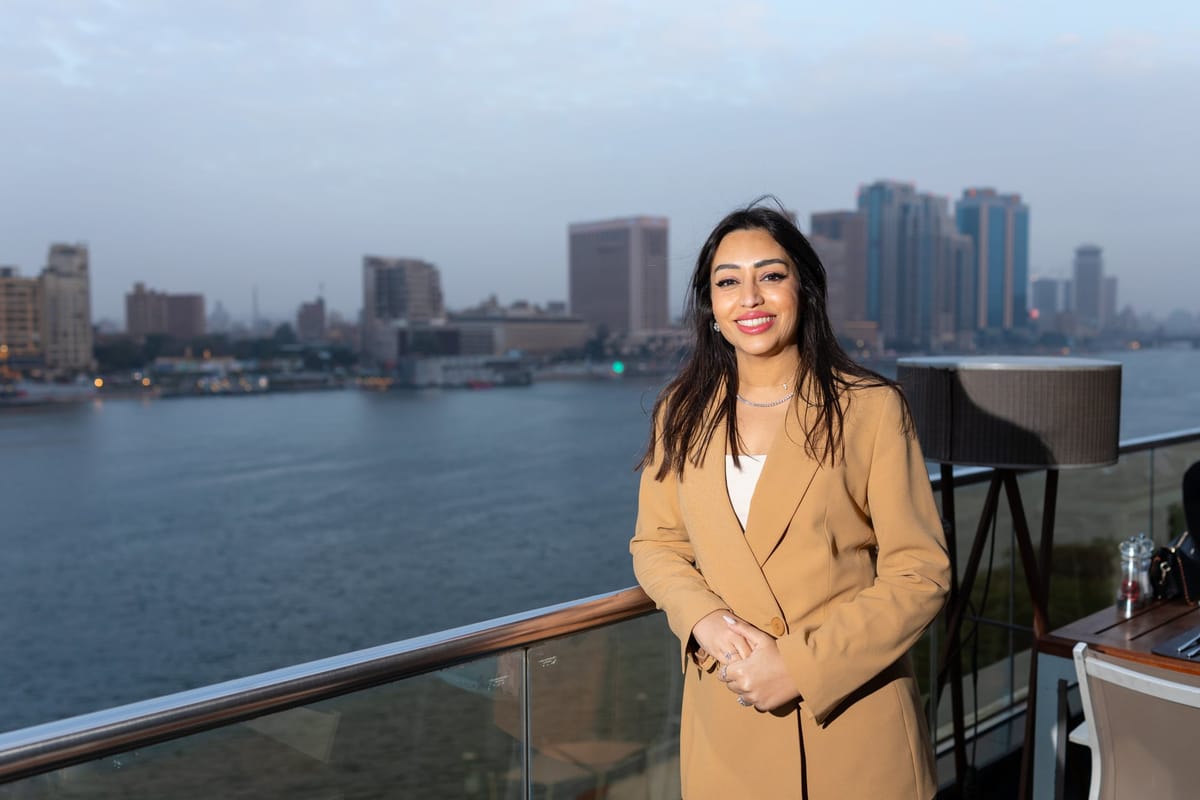
Fellow Portrait
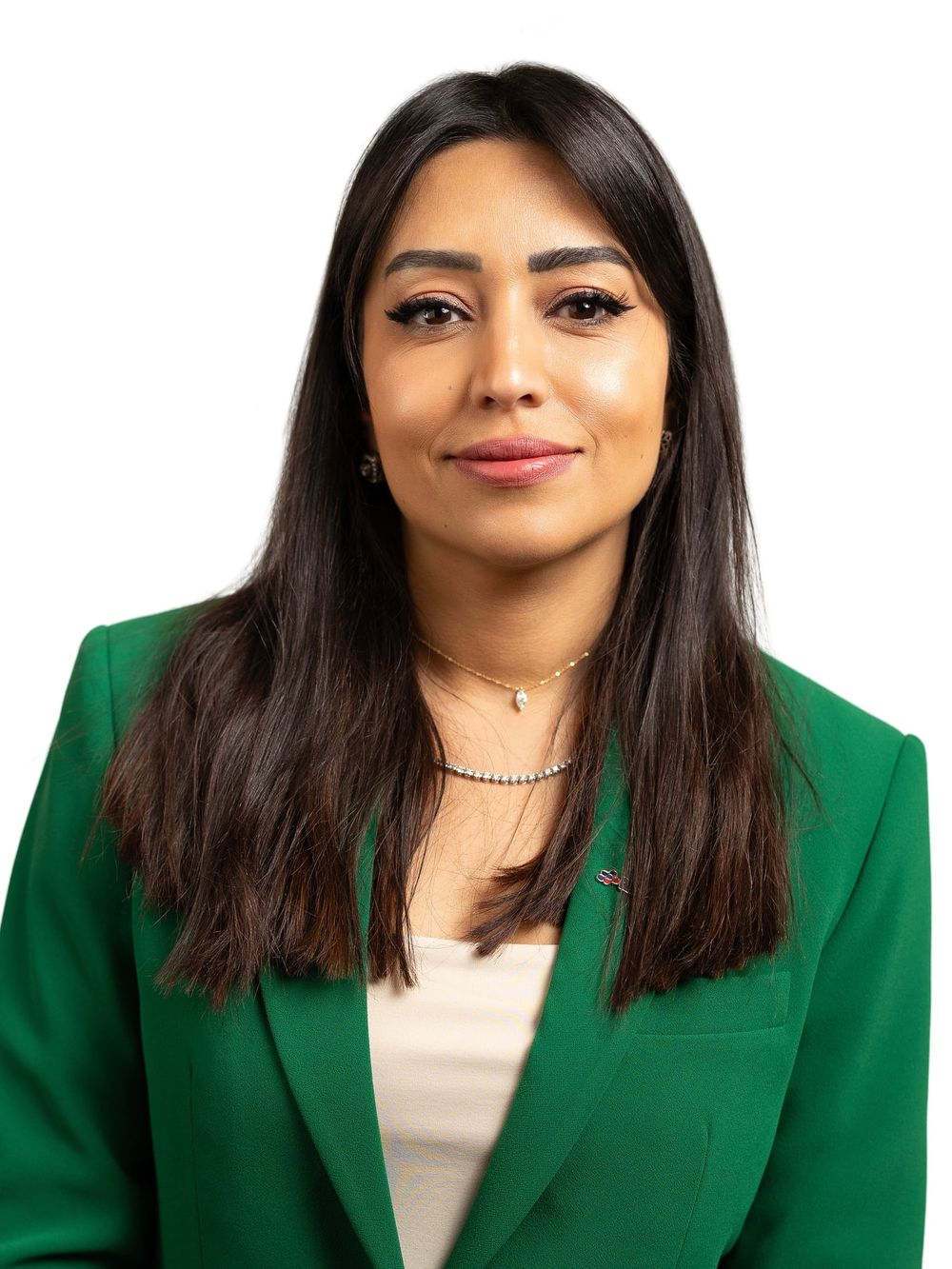
Salma Tammam
Reme-D
Reme-D develops affordable, high-quality diagnostic tests to improve disease detection in underserved regions.
.svg?&quality=80&auto=webp&width=200)
Middle East and North Africa
Egypt
.svg?&quality=80&auto=webp&width=200)
Fellow
2026
Updated March 2026
A reliance on imported diagnostics builds barriers to disease detection
Accurate diagnostics inform around 70% of clinical decisions, according to the World Health Organization. Yet in parts of the world, access is limited, with the World Bank estimating that only 30% of health facilities in Global South countries offer basic laboratory services. The result is delayed or missed diagnoses, allowing preventable diseases such as hepatitis and HIV to spread untreated.
In Africa, dependence on imported diagnostic tests exacerbates the problem. High costs, foreign currency shortages and long delivery times restrict access. Moreover, many tests are poorly suited to local conditions, relying on refrigeration for which stable electricity is not always guaranteed.
Egyptian nanoscientist Salma Tammam understands the human cost. Her grandfather lived for years with undiagnosed hepatitis C, suffering complications that could have been avoided with earlier testing. “A diagnosis wouldn’t have changed the outcome, but it would have spared him years of suffering,” she reflects.
“If you don’t test early, you don’t just risk one life — you risk many.”
A locally built solution designed for realities on the ground
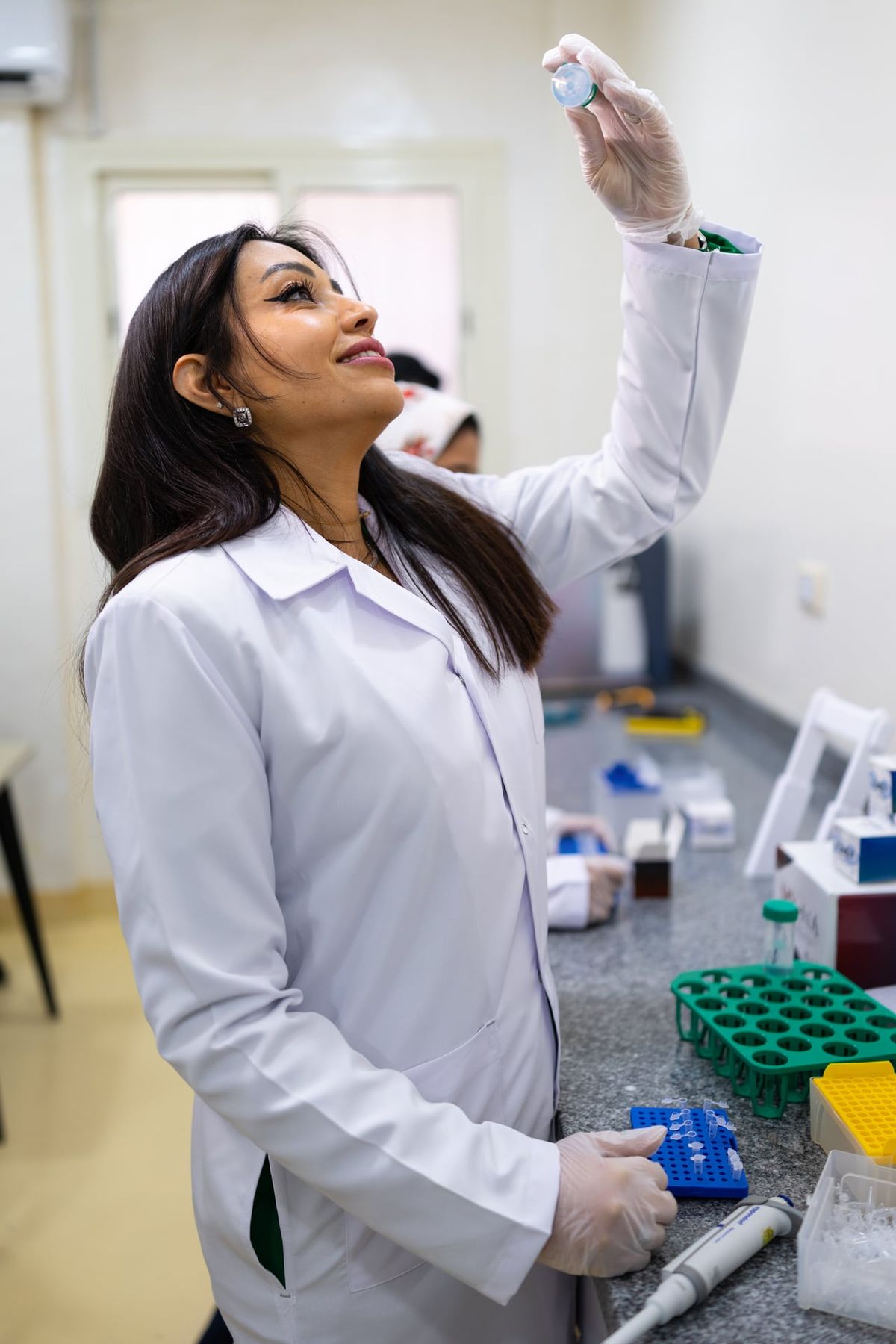
The catalyst for Reme-D came during the COVID-19 pandemic. Working in academia at the time, Salma and a team of fellow scientists joined forces to develop a COVID diagnostic tool for the Egyptian market. In just nine months, they designed and launched it, proving that high-quality diagnostics could be built quickly, locally and affordably.
When the pandemic subsided, Salma decided that rather than return to her university post and to business as usual, she would apply that momentum to the diseases most neglected in the regions she knew best. In 2023 she founded Reme-D to do exactly that. “Our goal was simple,” she says, “to make timely diagnosis the norm, not the exception.”
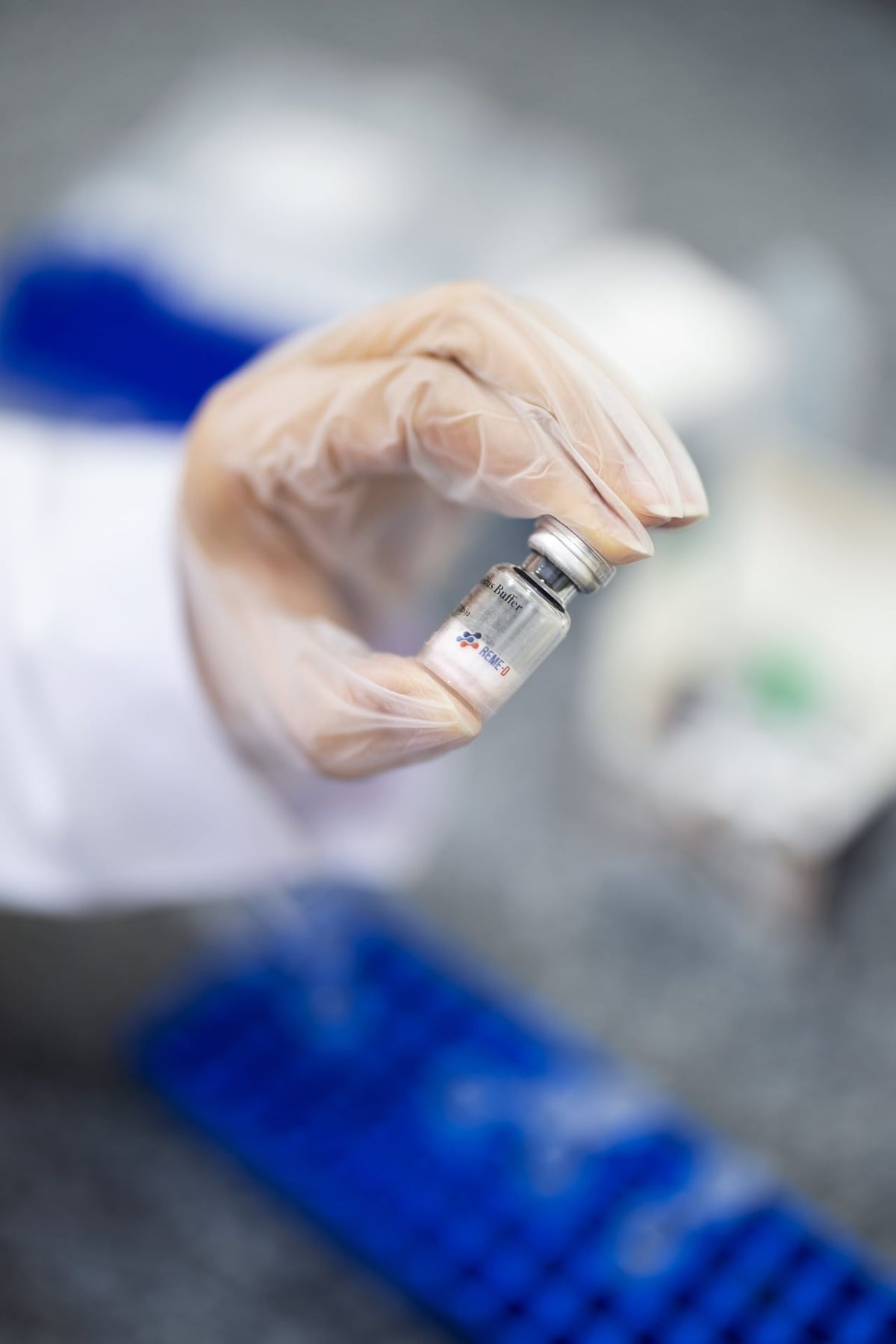
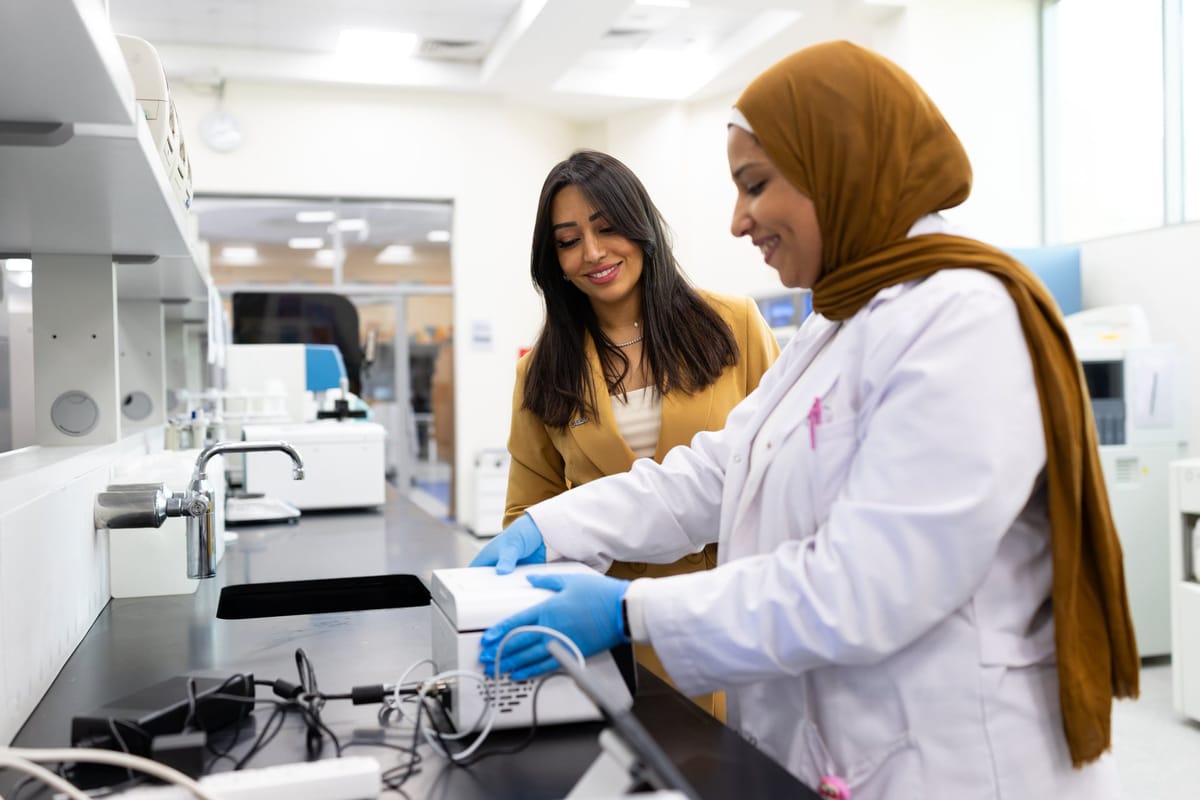
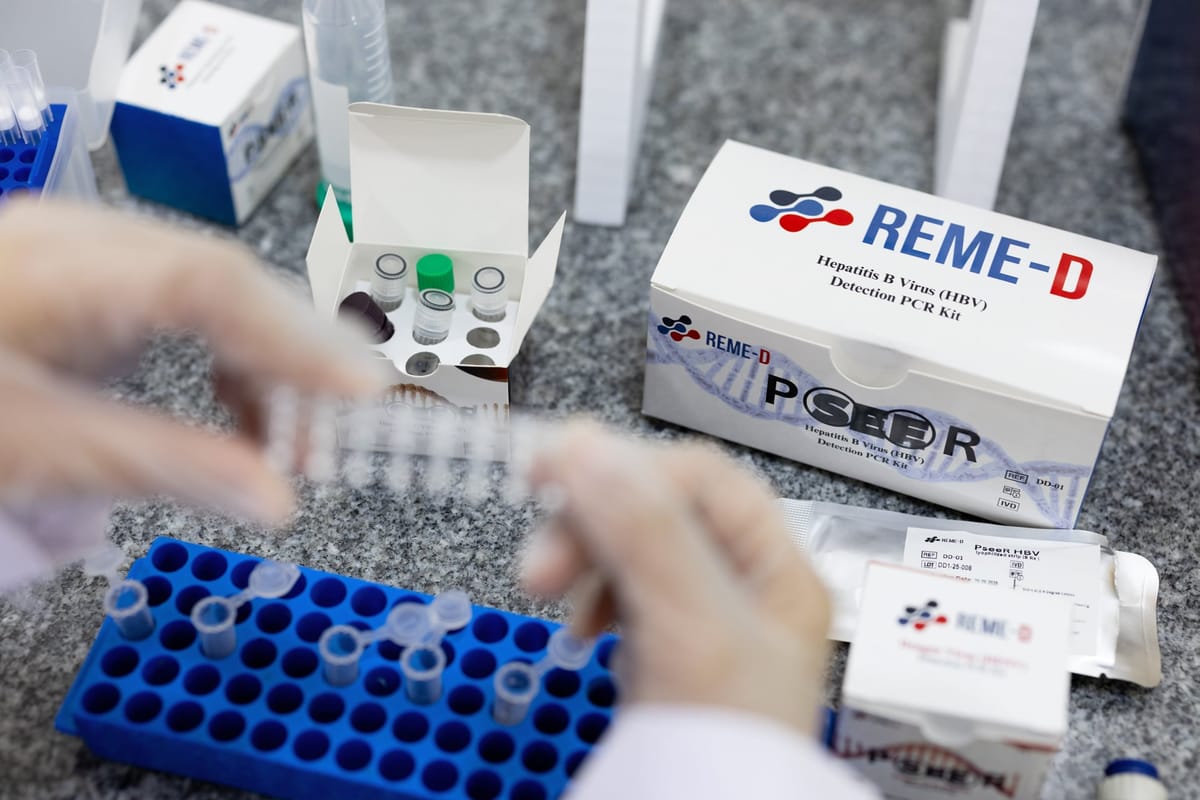
Today, the company develops reliable diagnostic kits using patented technology for illnesses common in the region, including hepatitis B and C, HIV, tuberculosis and tropical diseases such as dengue and yellow fever. Crucially, Reme-D manufactures its tests locally, removing the cost, delays and currency barriers that come with imports.
The impact of that shift is dramatic. Reme-D’s tests are up to six times more affordable and reach clinics three times faster than imported alternatives. “If a government has $100,000 USD,” Salma illustrates, “imported tests might screen 10,000 people. With our tests, the same budget can reach 100,000.”
Furthermore, designed for local contexts and climates, the kits remain stable in high temperatures (up to 40 degrees Celsius) and do not depend on electricity for refrigeration, removing the risk of tests spoiling.
“Our solutions are invaluable for low-resource regions, which often lack local supply and rely on expensive, imported diagnostics with added shipping and currency challenges.”
Life-saving testing that builds healthcare resilience
Leaving a secure job in academia was a bold move but it paid off. In less than three years, Salma and her team have developed 30 diagnostic products and enabled testing for more than 550,000 patients across Egypt, Kenya and Sudan — including active deployment in a conflict setting. “Being able to deliver life-saving testing systems in a war zone is something that we’re very proud of,” Salma says. Plans are now under way to expand into Nigeria and Libya.
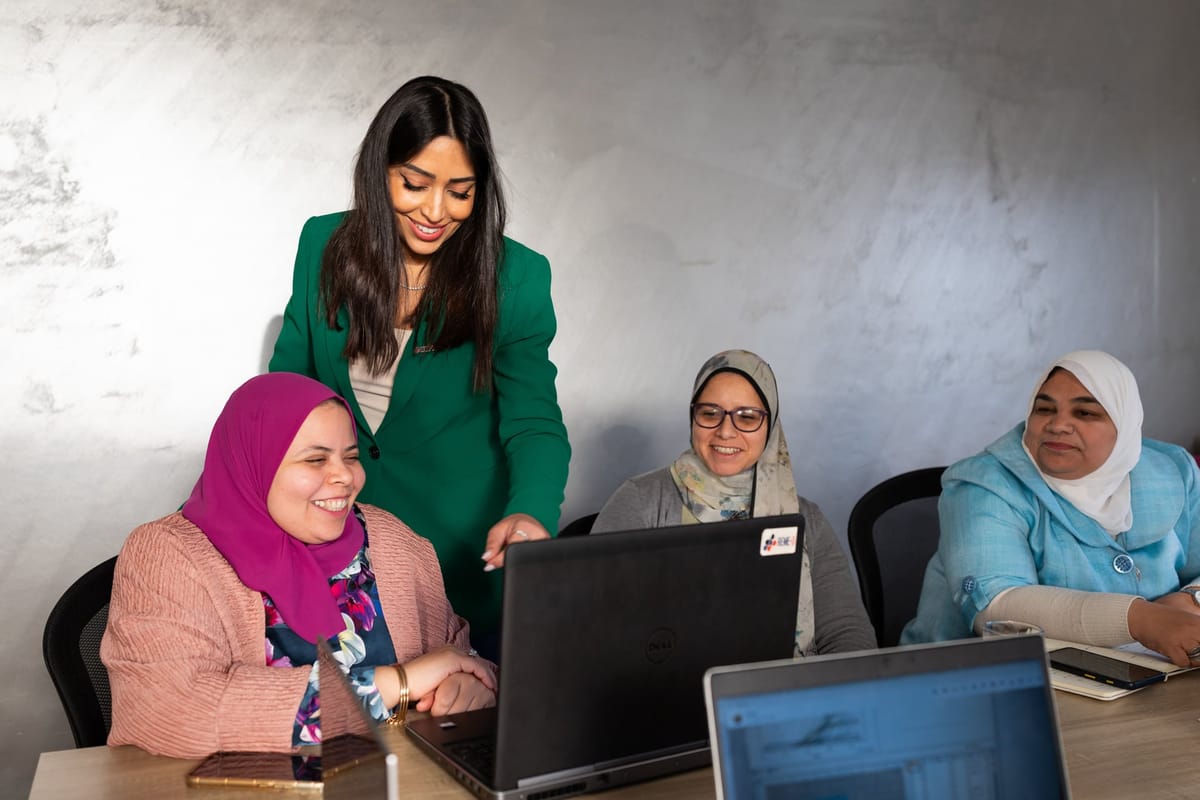
Alongside patient impact, Reme-D is strengthening local health system resilience. To date, it has created 50 skilled jobs and trained eight laboratory technicians, helping build lasting diagnostic capacity in the regions it serves.
Beyond the numbers lie less visible but far-reaching effects. Each diagnosis means illness detected earlier, suffering reduced, infections to family members and communities prevented and stigma avoided. Additionally, without bulky refrigeration Reme-D’s tests are small and compact, meaning they can reach clinics in remote rural areas — sparing patients the cost, disruption and lost wages of traveling long distances on unreliable transport networks.
As Reme-D scales, Salma is focused on building lasting and joined-up health provision, including partnerships that connect diagnostics with treatment. “We're working on a couple of initiatives with other social enterprises on the continent to offer therapy in addition to testing,” she says.
Meanwhile, with every test deployed, Reme-D moves one step closer to a future where timely diagnosis is not a privilege, but a given.
“Our goal is the emancipation of disease diagnostics in the region from international supply and demand, enabling Africa’s healthcare system to support itself using African products.”
PHOTO GALLERY