Fellow Portrait
Ting Ye
BloomGEM

BloomGEM pioneers bio-dye solutions for the fashion and beauty industry, creating safe, vibrant colors with a lower environmental impact.
.svg?&quality=80&auto=webp&width=200)
East Asia
China
.svg?&quality=80&auto=webp&width=200)
Fellow
2026
Updated March 2026
Textile dyes are poisoning factory workers and the environment
The fashion industry’s color palette comes at a hidden cost. Behind each seasonal collection is a dyeing process that relies heavily on petrochemicals, high temperatures and vast amounts of water. These methods pollute ecosystems, drive emissions and expose workers to toxic substances, often with lasting consequences for their health.
Yet as fashion brands seek to meet environment, social and governance (ESG) commitments, many find themselves stuck. Cleaner alternatives exist, but adopting them means long trials, expensive retrofits and production disruptions. Bio-dyes, for example, are notoriously difficult to integrate into existing machinery and workflows.
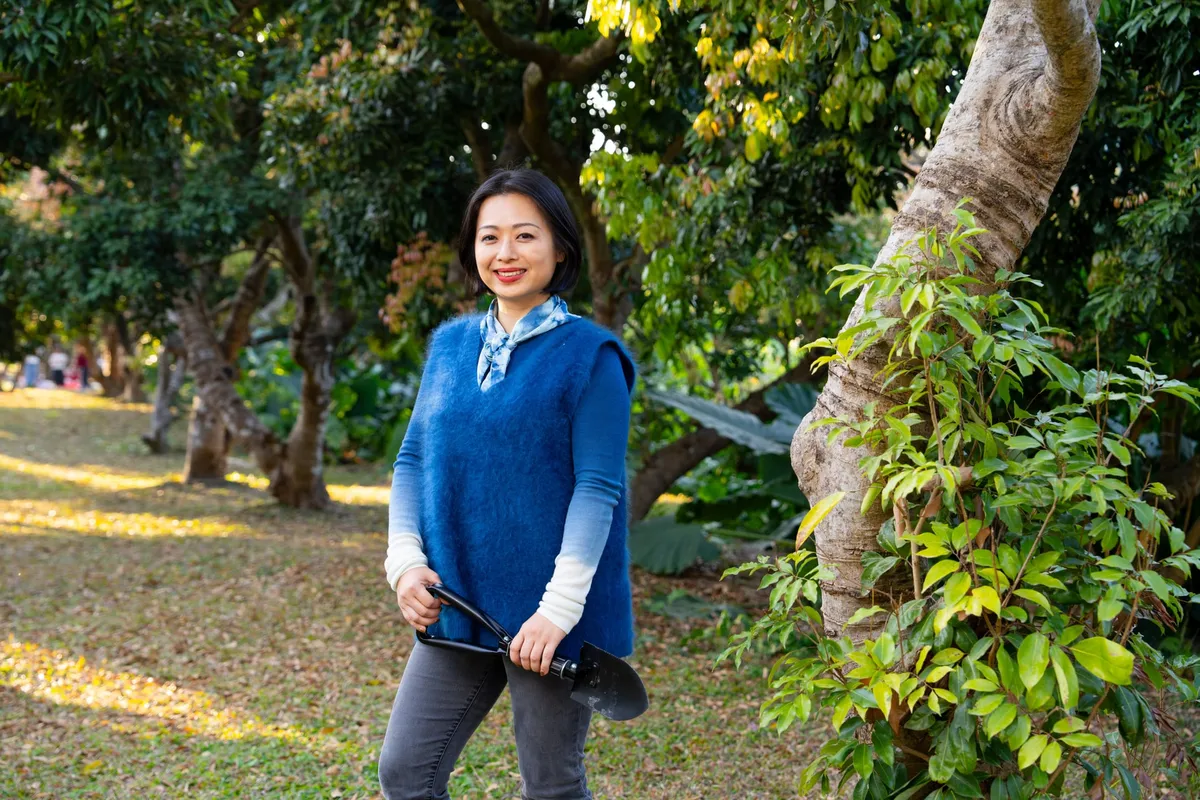
Chinese material designer Ting Ye has worked with some of the world’s largest fashion brands and, over years spent in studios and factories, has witnessed the issue from every angle. “I’ve seen colleagues fall sick from the chemicals used in dyes,” she says. “And during factory visits, I saw the pollution firsthand. But when bio-dye alternatives arrived, I would think, ‘It’s going to take me two years just to make this work with a fashion line.’”
But one moment proved pivotal. Ting shares the story of a former colleague whose baby was born with cancer due to her mother’s long-term exposure to toxic chemicals in textile work. “That was devastating. It made me realize this wasn’t just about sustainability, it was about human lives.”
Ting’s solution was BloomGEM.
“The more harm I witnessed as a material designer and engineer, the more I realized I had to build a solution — not just for brands but for the planet.”
A clean, nature-based solution that slots neatly into existing factory processes
Founded in 2022 by Ting and a team that brings together design, biotechnology and commercialization expertise, BloomGEM offers end-to-end bio-dyeing solutions. These replace petrochemical dyes with colors derived from nature without requiring factories to overhaul their existing equipment.
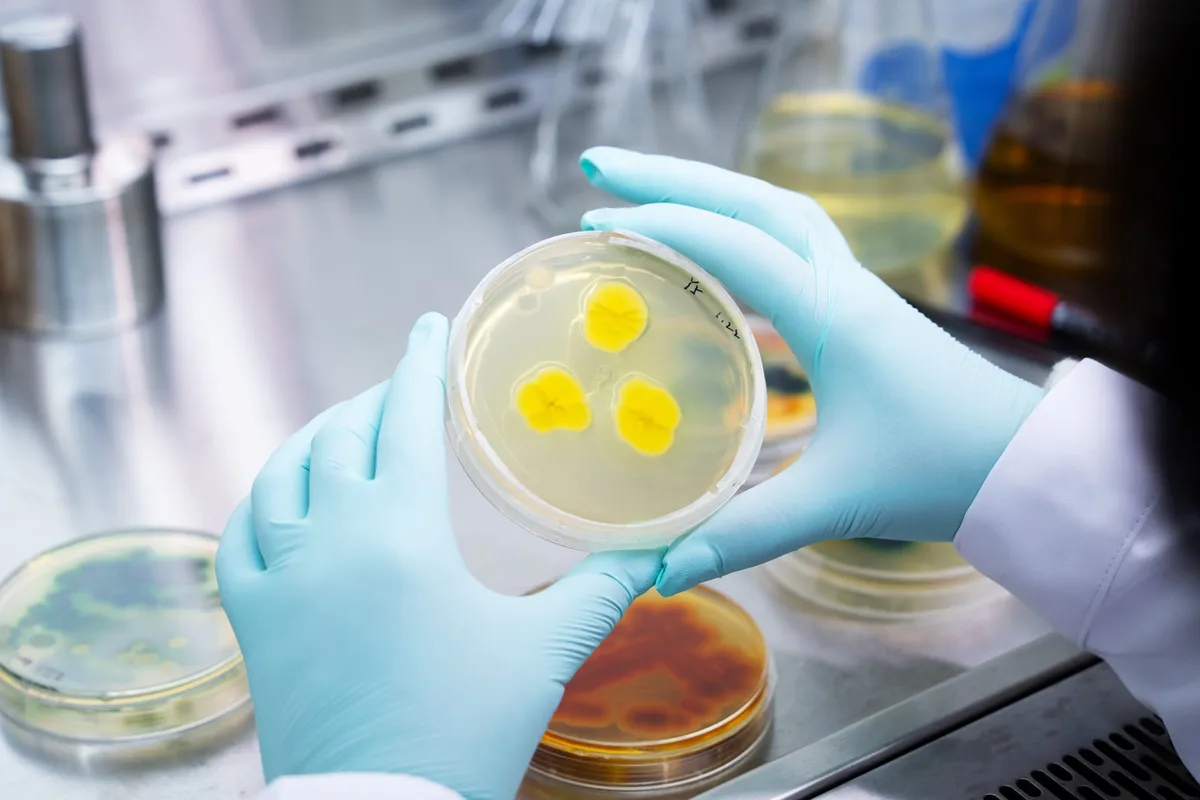
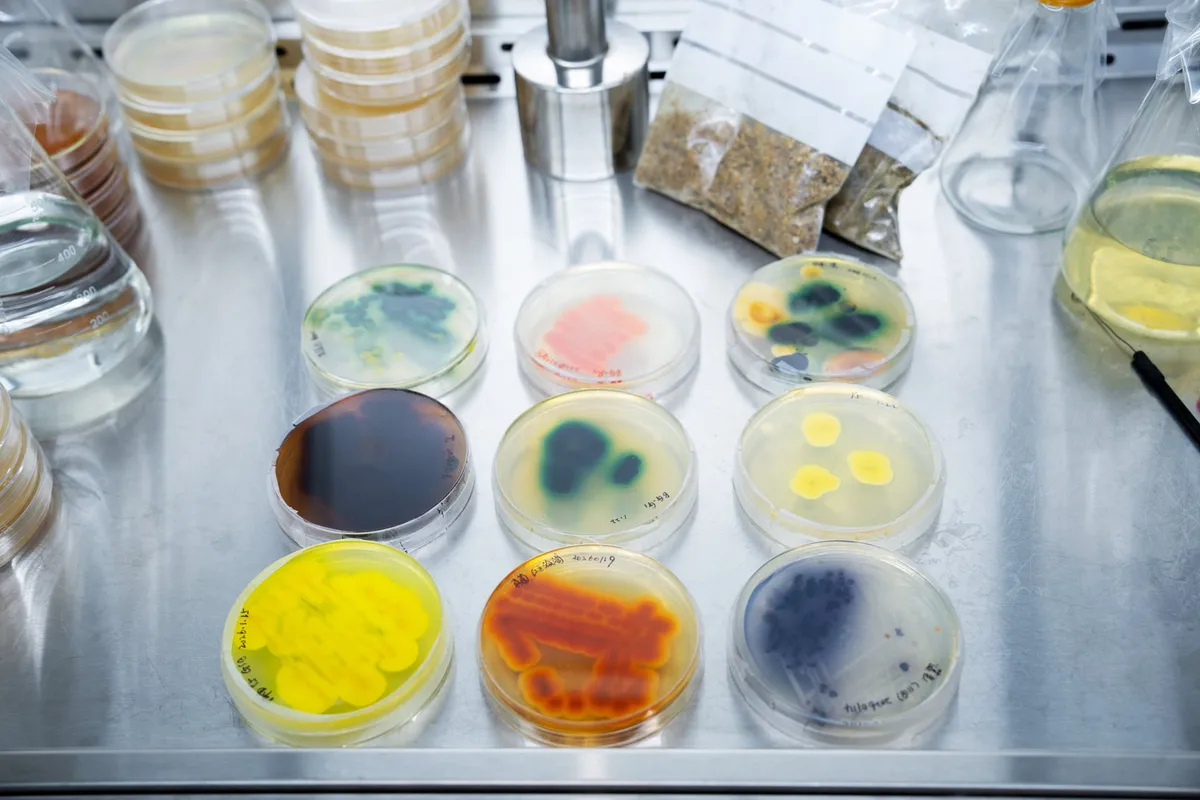
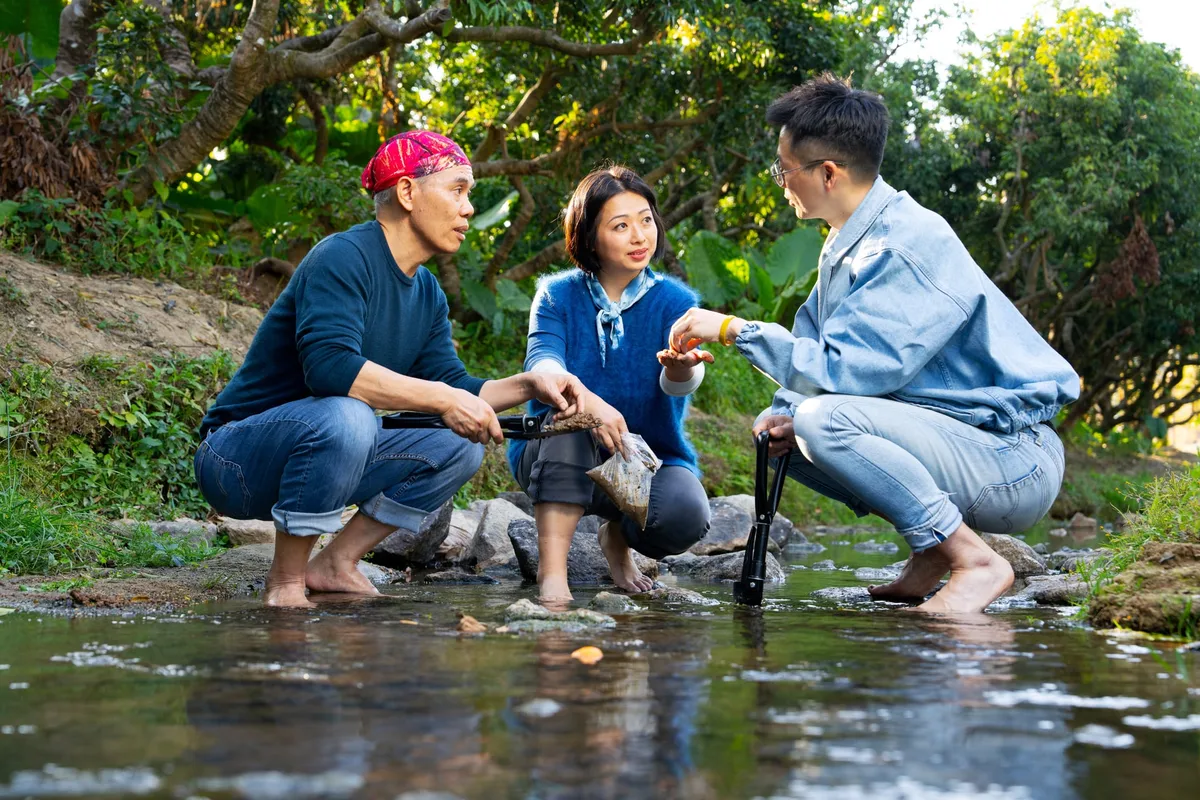
BloomGEM’s dyes are produced in two ways. In one approach, the team collects soil from environments such as deserts and oceans and cultivates naturally pigmented microorganisms. Through a process called mutagenesis, they boost pigment productivity, enabling fermentation at a level that supports mass production — similar to beer brewing. In the second approach, they engineer bacteria such as E. coli to construct pigment molecules.
Ting recalls the moment it all clicked. “I brought a bag of soil back to the lab without expecting much,” she says. “Then I saw color appear. It felt like magic — like nature was showing us the solution.”
Crucially, it’s not just about replacing toxic chemicals with a scalable nature-based solution. What sets BloomGEM apart is its ability to integrate bio-dyes directly into existing industrial dyeing infrastructure, boosting speed and cutting costs. With retrofits removed from the equation, pilot-to-production timelines shrink from 24 months to six, while dyeing costs fall by 15–25%. Moreover, while delivering tested protocols that remove trial and error for manufacturers, the process operates at low temperatures — 40% less than traditional techniques.
“We’re not just selling color, we’re delivering certainty.”
Reducing energy, cutting toxicity
BloomGEM’s impact is striking. The bio-dyeing process for some colors operates at just 28 degrees Celsius, reducing energy use by 20%. Meanwhile, harmful chemical inputs drop by as much as 80%, reducing pollution that threatens aquatic ecosystems by up to 50%.
“Chemical dyes don’t break down easily,” Ting explains. “They end up in rivers and oceans. Our microbial dyes are biodegradable. They return to the water without toxic residue.”
And, of course, lower temperatures and non-toxic environments mean dramatically improved worker safety.
As a business, BloomGEM has witnessed the human impact itself. Ting describes how former chemical-factory workers have joined the company after years of health problems. “They don’t have headaches anymore. Their eyes and noses aren’t burning. Some are even coming out of retirement,” she notes.
Looking ahead, BloomGEM aims to expand through intelligent green factories that directly connect fermentation and dyeing, enabling efficient large-scale production while advancing water savings, waste treatment and recycling.
At the same time, the company has a vision to work with artisans worldwide — from batik makers to weavers — bringing safer bio-materials into traditional craftsmanship without forcing displacement to large industrial factories.
“We want people to stay where they live, where they love,” Ting says. “And still have access to safer materials.”
Longer term, she has a bold vision: to make bio-dyeing the new global standard, “not only for textiles, but for beauty, personal care and beyond.”
“We are creating beauty that heals — protecting people, preserving the planet and restoring our oceans.”
PHOTO GALLERY