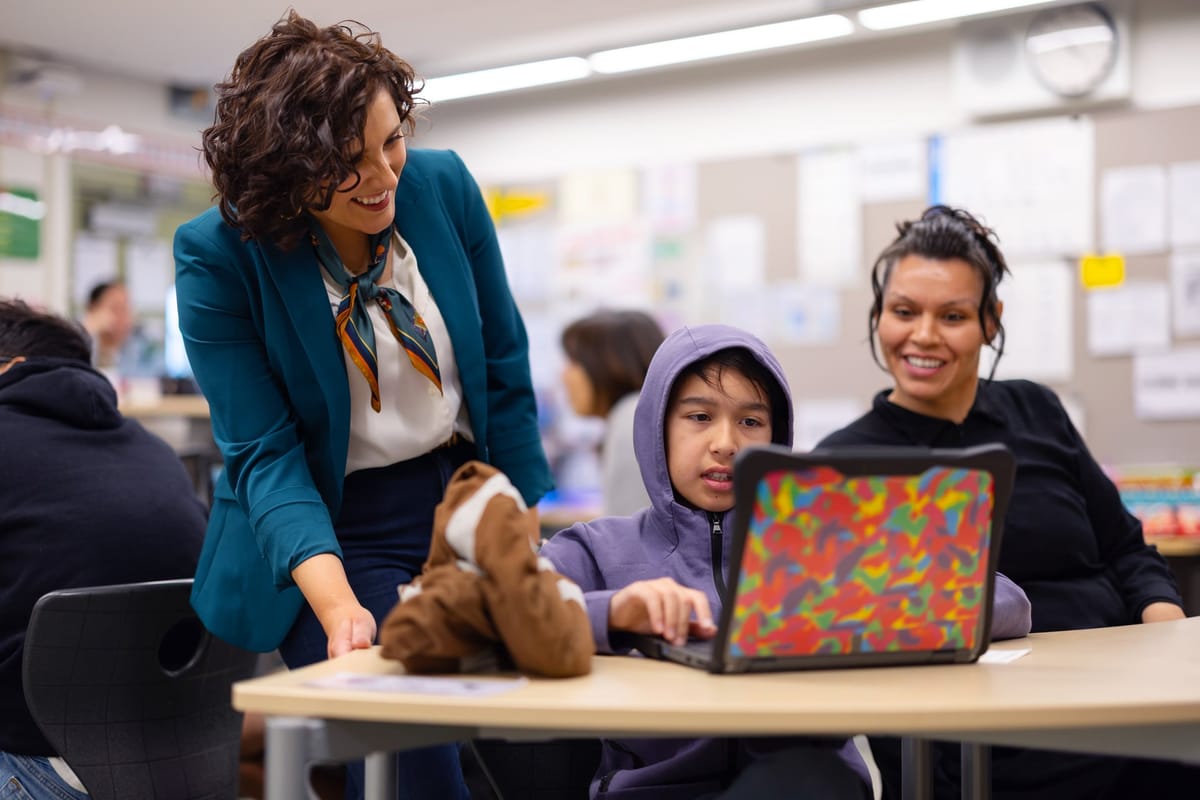
Fellow Portrait
Vanessa Castañeda Gill
Social Cipher

Social Cipher builds social-emotional learning games and curricula that help neurodivergent children embrace their identities and advocate for themselves.
.svg?&quality=80&auto=webp&width=200)
North America
United States
.svg?&quality=80&auto=webp&width=200)
Fellow
2026
Updated March 2026
Traditional teaching methods are failing neurodivergent children
In classrooms across the United States, a growing number of children are navigating school systems that were not designed with them in mind. Today, about 3% of children in the U.S. are diagnosed as autistic and have different learning needs than their neurotypical peers. This represents a significant proportion, yet provision of specialist support to help these children thrive is highly uneven. Access, quality and intensity of support vary significantly depending on factors including where a family lives and their income.
Issues surrounding self-esteem and social difficulties have lasting effects and autistic youth face higher risks of depression and poor long-term outcomes. Schools, the first and most consistent point of intervention, are under intense strain. Teacher shortages leave educators stretched thin.
Additionally, many existing social-emotional learning tools are built on neurotypical assumptions. As a result, they often exclude neurodivergent students instead of empowering them.
Social Cipher was co-founded by Vanessa Castañeda Gill to give autistic children and children with attention deficit hyperactivity disorder (ADHD) the support she missed out on. Diagnosed at 14 years old with autism and ADHD, Vanessa struggled with anxiety, exclusion and lack of positive representation, and found school difficult. She later became a neuroscience researcher, with the hope that she could learn to pass as a neurotypical person at the back of her mind. Instead, she fell in love with neuroscience, found her community and began embracing her identity through the media she engaged in with her newfound friends.
“We want neurodivergent kids to feel seen, confident and empowered to be themselves.”
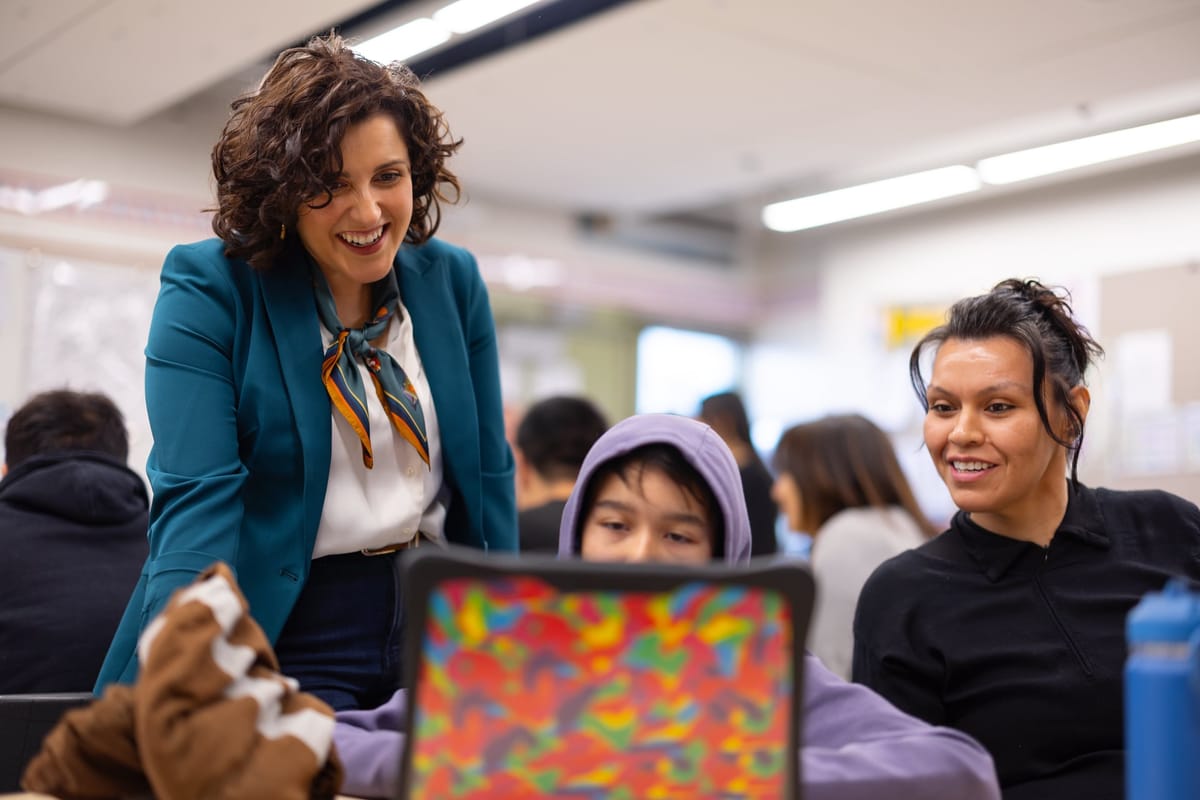
Empowering young people through games and specialist educator resources
Social Cipher was originally conceived as a research project for graduate school, but Vanessa soon saw its potential as a social enterprise. By the time she graduated from her bachelor’s degree, she had been accepted into a startup incubator — and the trajectory of her career had changed.
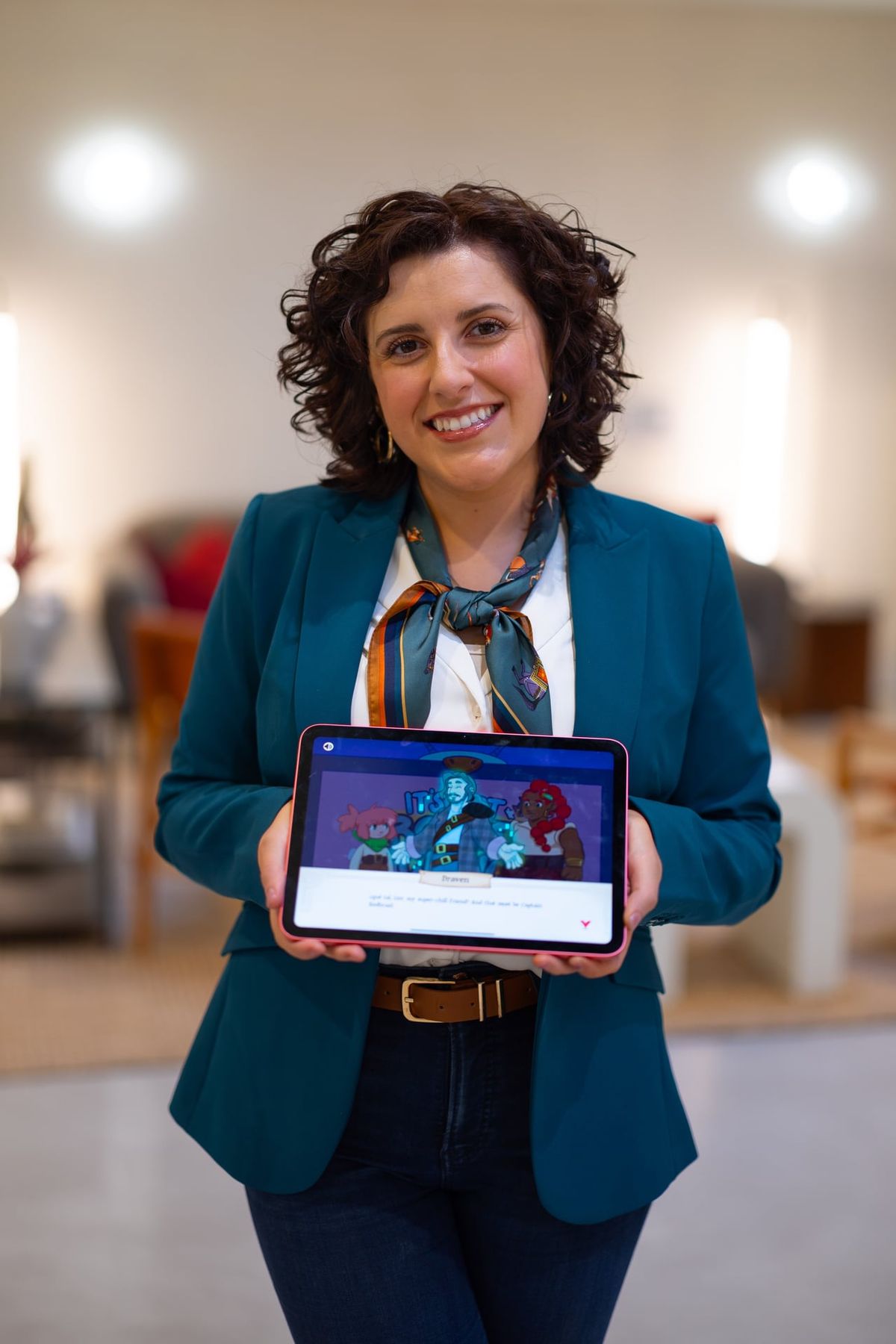
She had seen firsthand how overworked teachers lacked inclusive, engaging resources to support neurodivergent children. She built Social Cipher to address this through a three-part approach. This comprises interactive games starring an autistic protagonist, a neurodivergent educator-designed curriculum, and a dashboard that helps teachers understand student progress without imposing neurotypical norms.
At first, its games focused around helping children conform to behavioral norms and cope with stressful situations without reacting. Over time, as Vanessa has come to terms with the ableism driving her desire to appear neurotypical, Social Cipher has become increasingly neurodiversity-affirming. In the process, its games have shifted from focusing on scenario simulations to building an empowering narrative about an autistic protagonist who is the hero of her own story. Students make in-game choices, for example about recruiting members for their pirate ship, that have a real impact on how the game progresses. While playing, they are inspired and entertained, while also building self-confidence and social emotional skills.
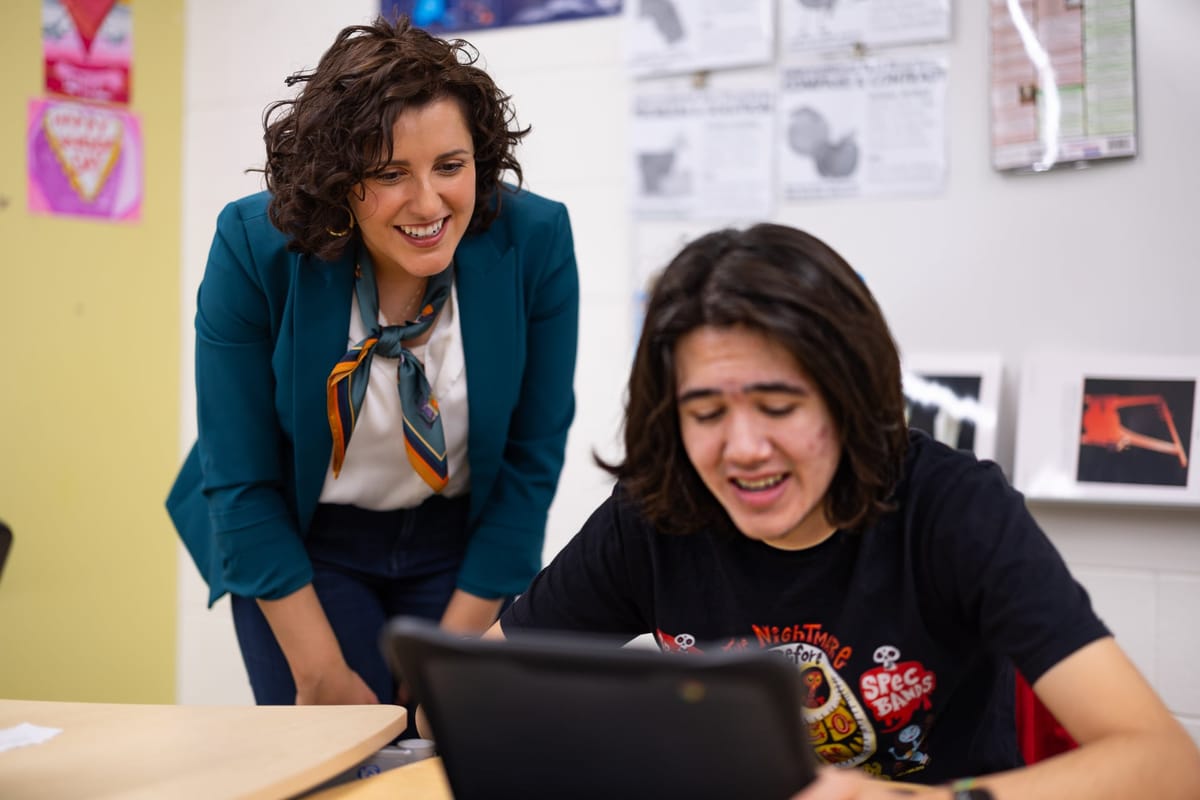
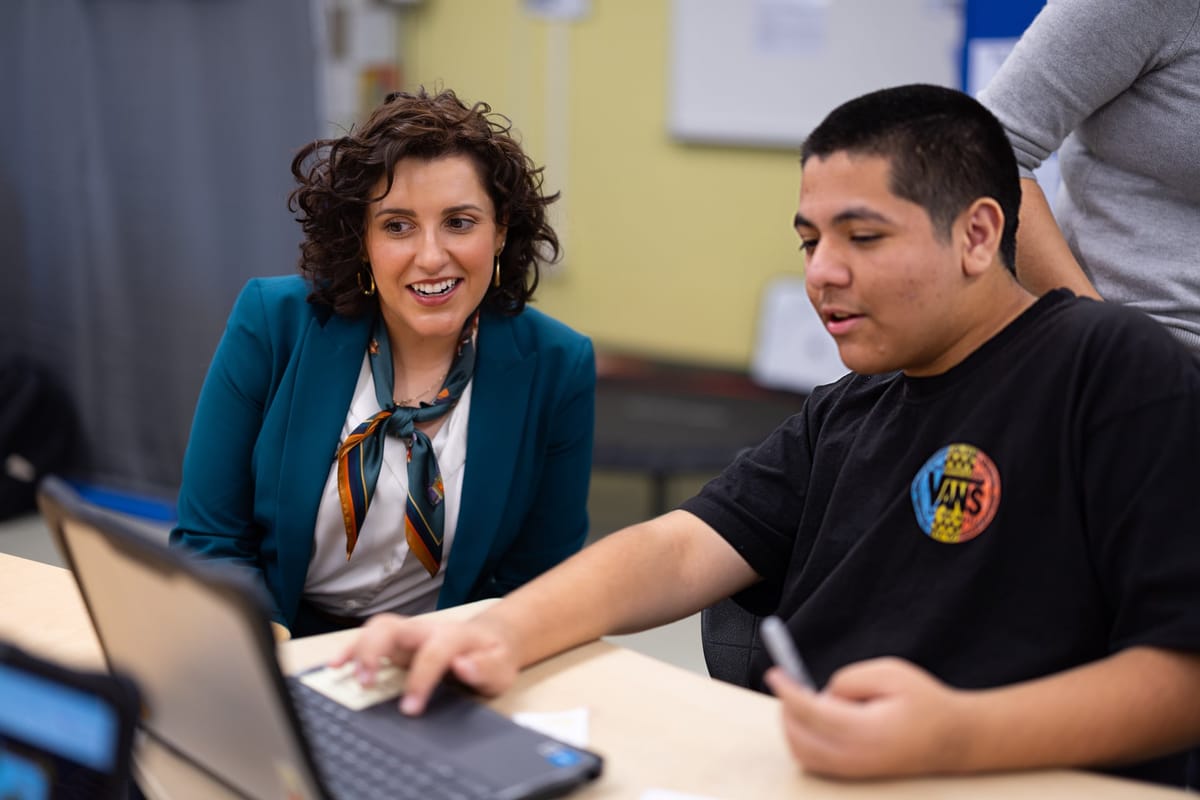
Social Cipher’s other interventions give teachers the tools they need to support neurodivergent youth in their classrooms. Each game module includes a curriculum created by neurodivergent educators to help students apply the social and emotional skills they learn in the game.
An accompanying dashboard helps teachers to track and manage student progress. They can see what choices students make in-game, allowing them to get a better understanding of what skills their students are learning and where they might need additional support.
The Social Cipher staff is majority neurodivergent, and team members draw on their own authentic lived experiences to shape the company’s services. Its playtesters — the children who test Social Cipher’s games and provide feedback — are also neurodivergent.
“My team have all had experiences where we’ve felt like we didn't belong. We’re driven by helping kids find the sense of belonging and understanding of themselves we wish we’d had ourselves.”
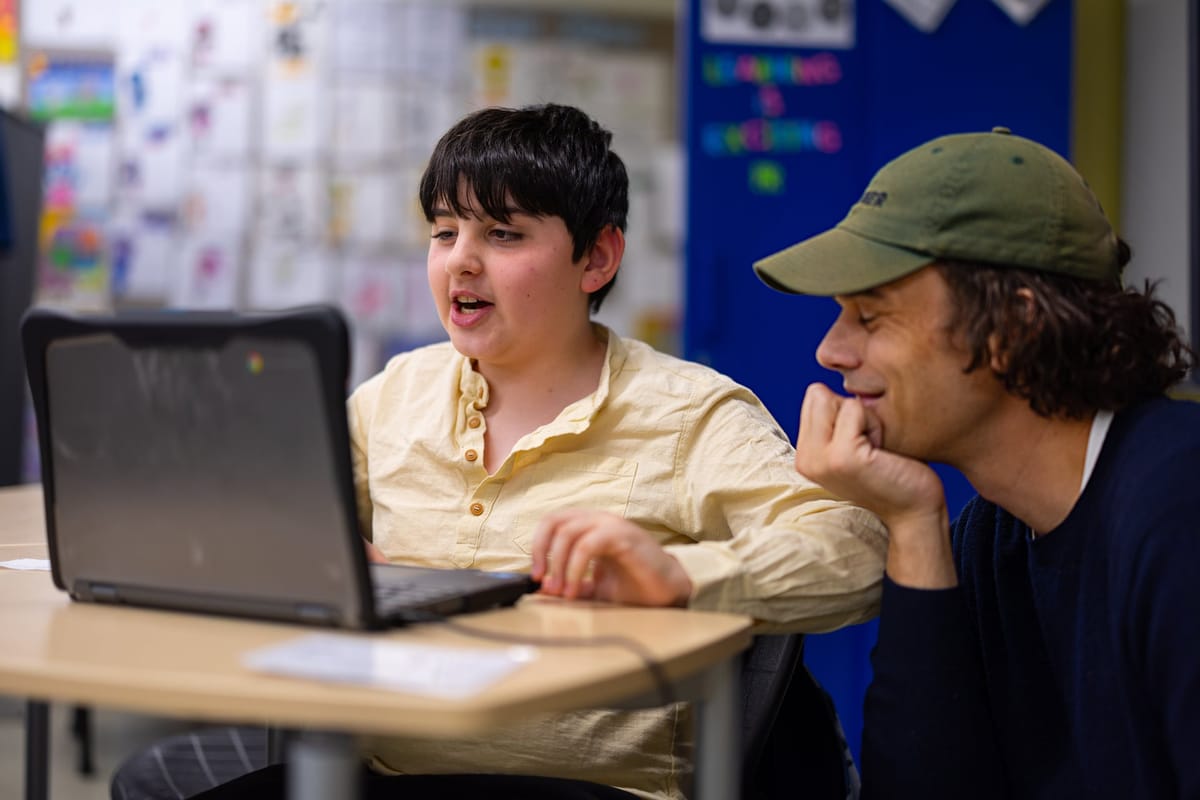
Advancing neurodiversity-affirming learning at scale
Throughout 2025, Social Cipher reached more than 30,000 educators through its free inclusion library and webinars. In addition, it directly supported 688 educators in 200 schools and therapy centers across eight countries. So far, it has helped nurture social and emotional skills in thousands of students.
Beyond the numbers, how Social Cipher is driving positive cultural change in the classroom and beyond is harder to quantify, but no less impactful. In the future, Vanessa hopes to build “the Netflix library of social and emotional skills learning” — and normalize neurodiversity for hundreds of thousands more children in the process.
“We want to become a powerful force in the neurodiversity movement, creating not only individual, but also widespread systemic change.”
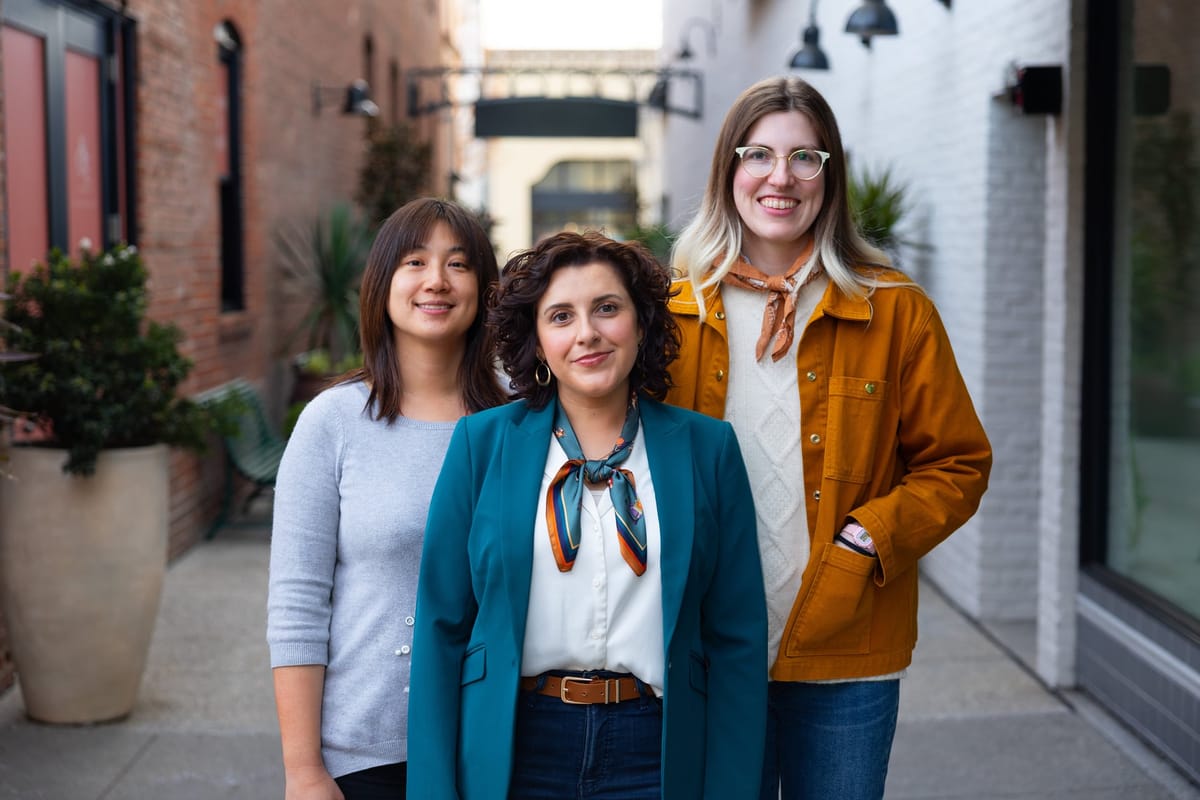
PHOTO GALLERY