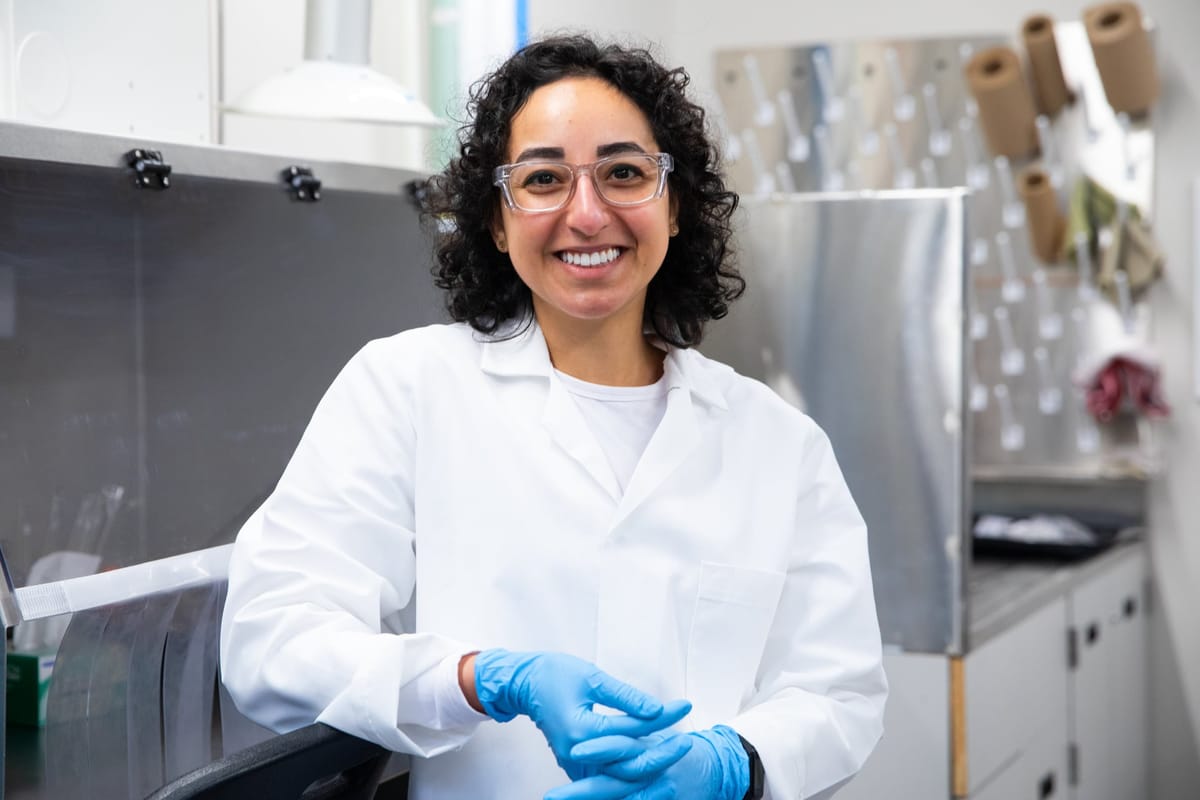
Fellow Portrait
Vida Gabriel
TerraFixing

TerraFixing captures carbon directly from the air in cold, wind-rich regions, supplying affordable carbon dioxide to remote communities while permanently removing emissions at scale.
.svg?&quality=80&auto=webp&width=200)
Science & Technology Pioneer Award
Canada
.svg?&quality=80&auto=webp&width=200)
Fellow
2026
Updated March 2026
Urgent carbon capture needed to slow global warming is held back by cost and climate
As governments pledge to reach net zero by 2050, one reality is becoming unavoidable: cutting emissions alone will not be enough. To limit global warming to 1.5°C, the world must also remove billions of metric tons of carbon dioxide already in the atmosphere.
Canadian chemical engineer Dr. Vida Gabriel first became interested in the issue during her Ph.D. studies. She was trying to solve the problem of plastic waste by working on biodegradable adhesives. But a question from a colleague gave her pause for thought: if materials break down, where does the carbon go? The answer unsettled her. Whether burned, buried or biodegraded, she realized, most carbon ends up back in the atmosphere.
“That was a wake-up call,” Vida remembers. “If all carbon eventually becomes emissions, then the place to intervene is the atmosphere itself.”
However, most existing carbon removal technologies were built for warm, wet regions and consume vast amounts of energy, creating a barrier to progress. Even at full scale, Vida explains, today’s systems would require double the United States’ current renewable power to remove just one gigaton of carbon from the atmosphere. “This while we should be removing over 10 gigatons annually,” she adds.
But what if a technological solution could be found that worked in cold, windy regions, which are rich in renewable potential but often overlooked by infrastructure development?
TerraFixing was Vida’s answer.
“If I wanted the biggest impact, I had to go where carbon ends up — in the atmosphere.”
Turning cold air into climate opportunity
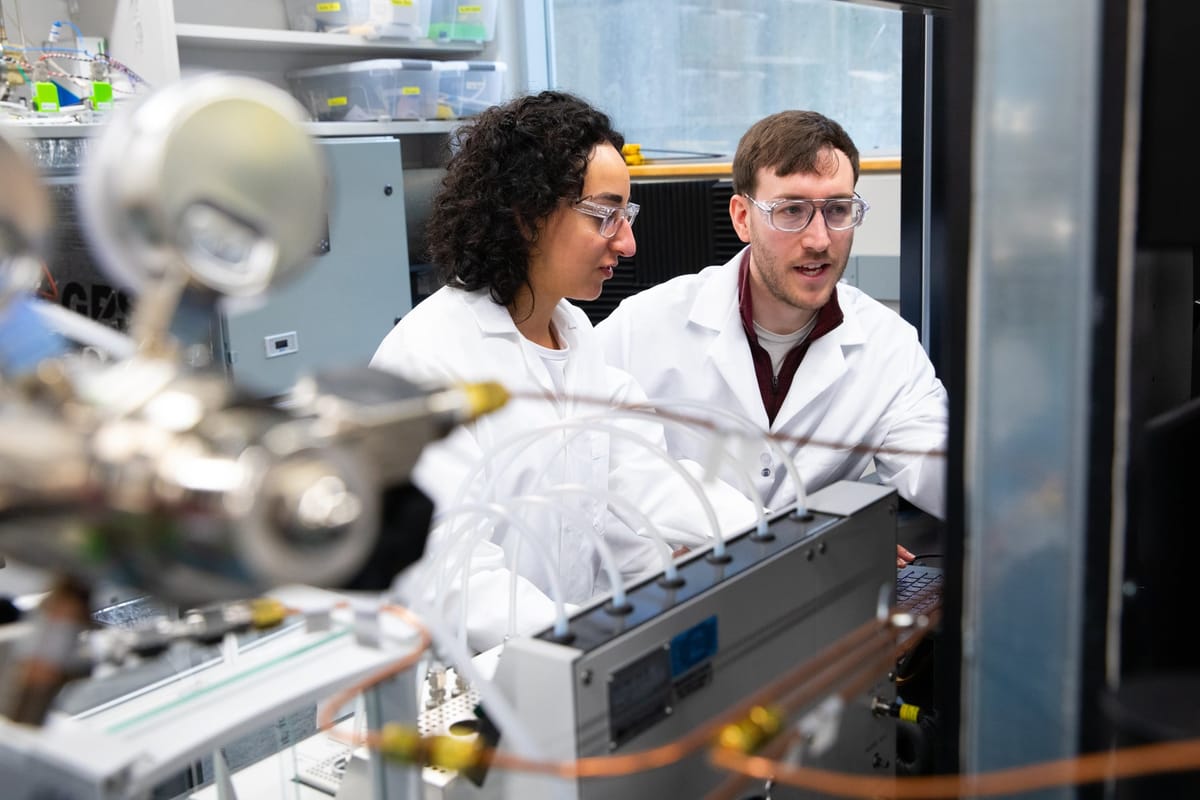
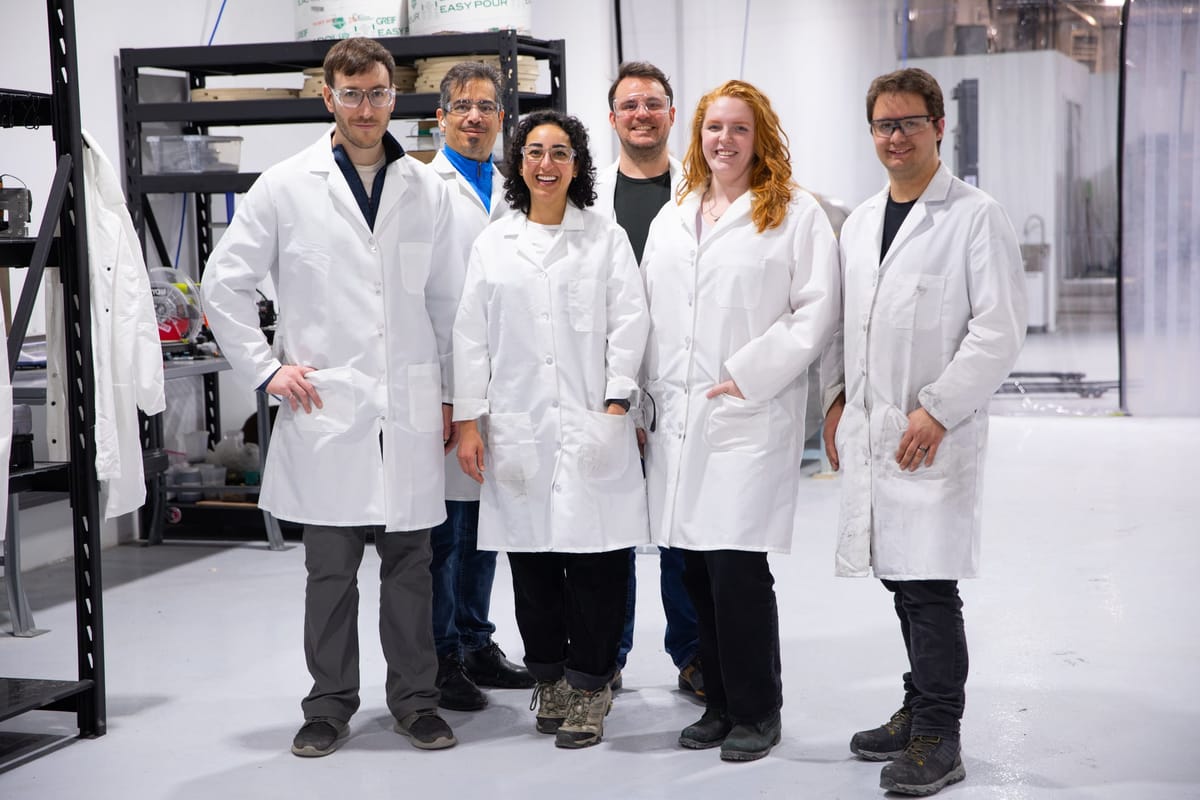
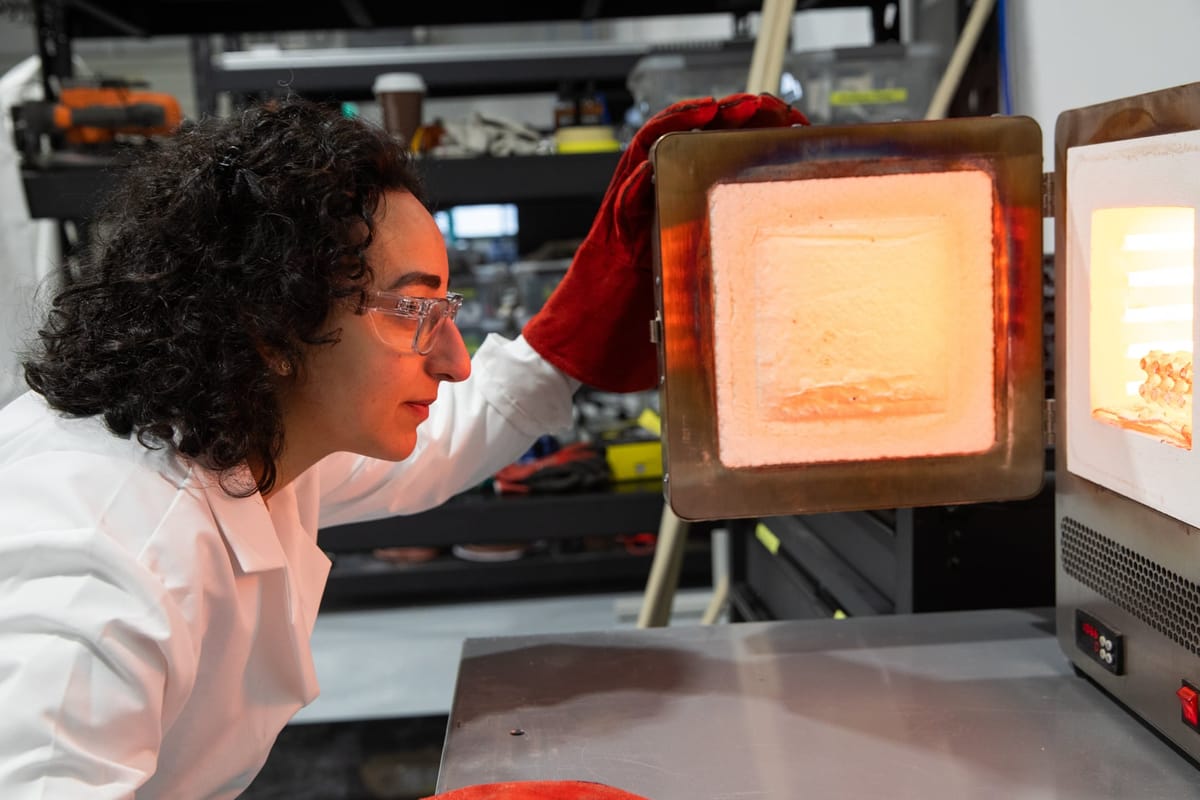
Vida co-founded TerraFixing in 2020 to rethink carbon removal from the ground up. Rather than adapting existing systems to harsh environments, the company designed a direct air carbon capture technology specifically for cold, dry, windswept regions.
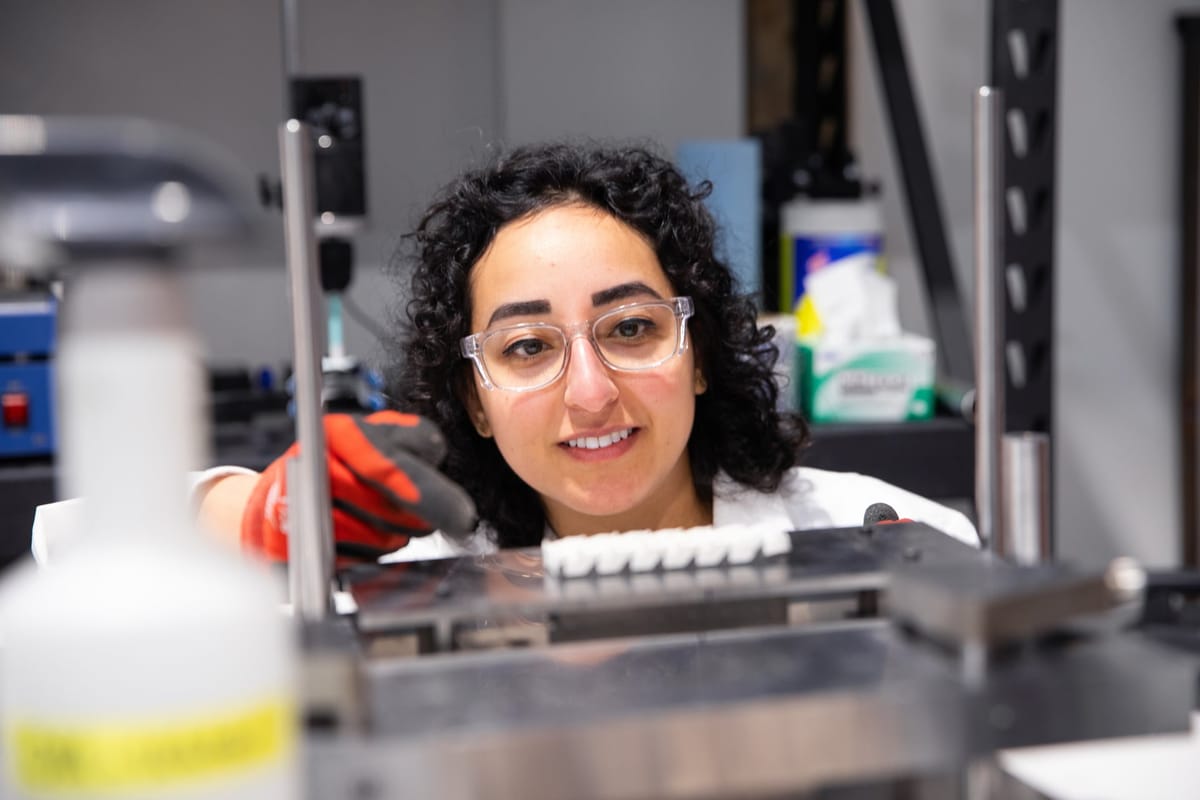
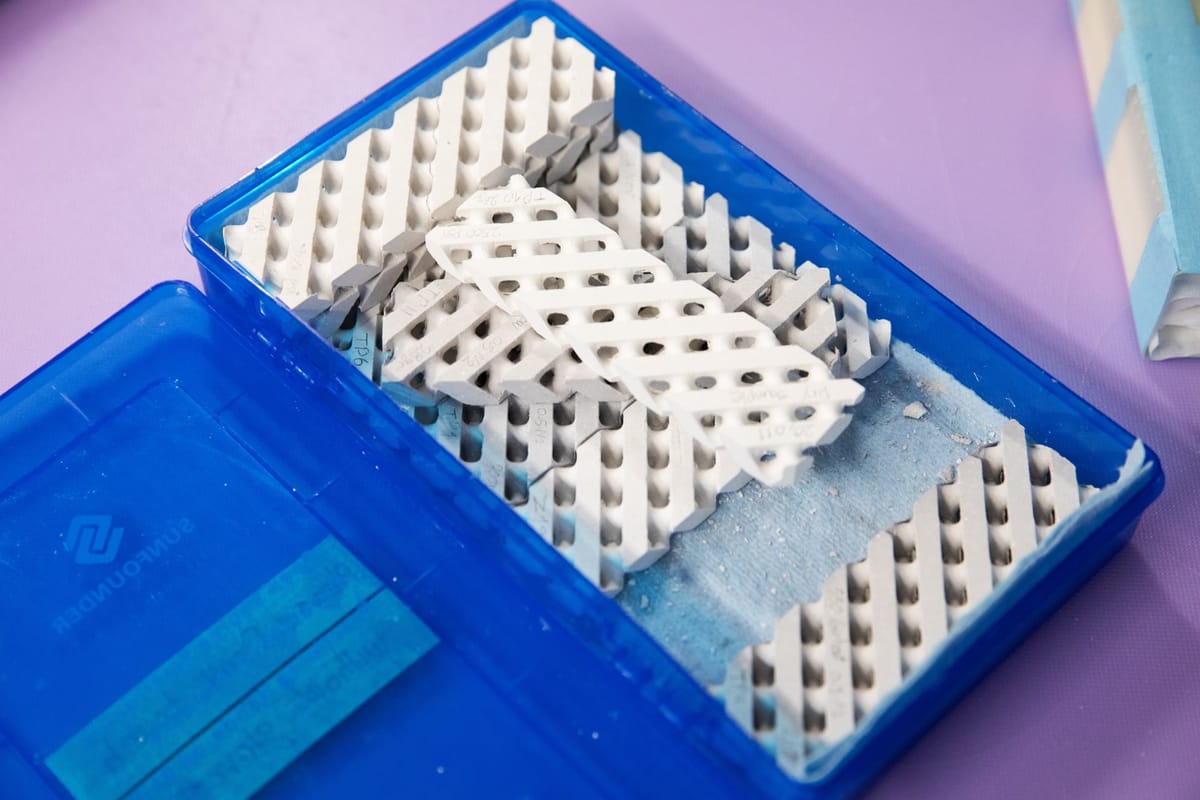
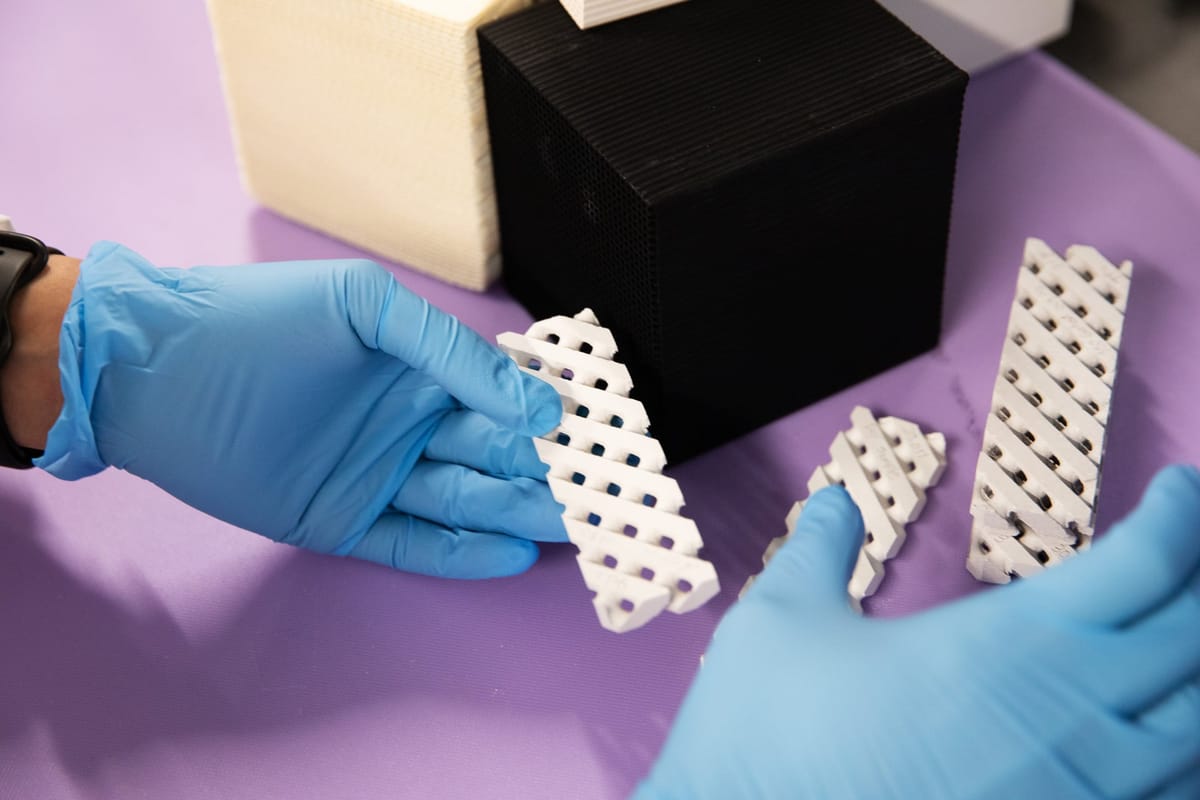
TerraFixing’s system captures carbon dioxide directly from the air using naturally occurring minerals, rather than materials involving chemicals and liquids, which simply freeze in sub-zero temperatures. In fact, the colder it gets, the better TerraFixing’s technology performs, requiring significantly less energy than conventional approaches.
In turn, this opens the door to the pairing of carbon removal with abundant but untapped wind energy in the Far North (e.g., Canada, Alaska and Greenland). Because in these sparsely populated areas, wind power can scale without competing for land or electricity needed by cities.
The carbon dioxide captured by TerraFixing serves two purposes. In the near term, it provides a clean, locally sourced supply of carbon dioxide to remote northern communities that rely on it for food preservation, medical procedures and industry. Such communities currently pay up to five times more due to long, fossil-fuel-heavy transport routes. As Vida points out: “Carbon dioxide is seen as an environmental villain. Yet it is actually an essential resource that’s used in many things that we don’t realize.”
In the long term, unused carbon dioxide will be sequestered permanently in underground storage, further supporting action toward global climate targets.
“We’re doing the opposite of the oil and gas industry. Instead of pulling carbon out of the ground and releasing it, we’re taking it out of the air and putting it back where it came from.”
Climate action that strengthens communities
TerraFixing’s early projects are already creating tangible benefits. In northern Canada, its technology is enabling mine sites to sign wind-power agreements that were previously impossible, bringing renewable energy into diesel-dependent regions. The company has created 15 local jobs so far, with more than 100 additional roles planned in remote northern communities.
By creating demand for wind power, TerraFixing is helping communities finance renewable infrastructure — reducing reliance on diesel generators, improving air quality and increasing energy independence. In fact, every metric ton of carbon dioxide produced locally replaces fuel-intensive transport, turning a previously high-emissions supply chain into a net-negative one.
Looking ahead, Vida envisions a network of carbon capture hubs in Far North locations, which are places with vast wind resources and suitable geology for permanent storage. In 2026, TerraFixing plans to deploy its first pilot plant. And by 2028, its ambition is to scale to tens of thousands of metric tons of carbon removed annually, while creating hundreds more jobs, many for indigenous workers. As Vida stresses, beyond climate metrics the ambition is systemic. “This is about economic resilience,” she says. “Manufacturing, energy, jobs — built locally, for the long term.”
In a warming world, TerraFixing offers a reframing of cold, not as a limitation, but as an advantage that could help turn carbon removal from limited theory into scalable reality.
“We’re leveraging cold climates to turn carbon removal into a practical climate solution.”
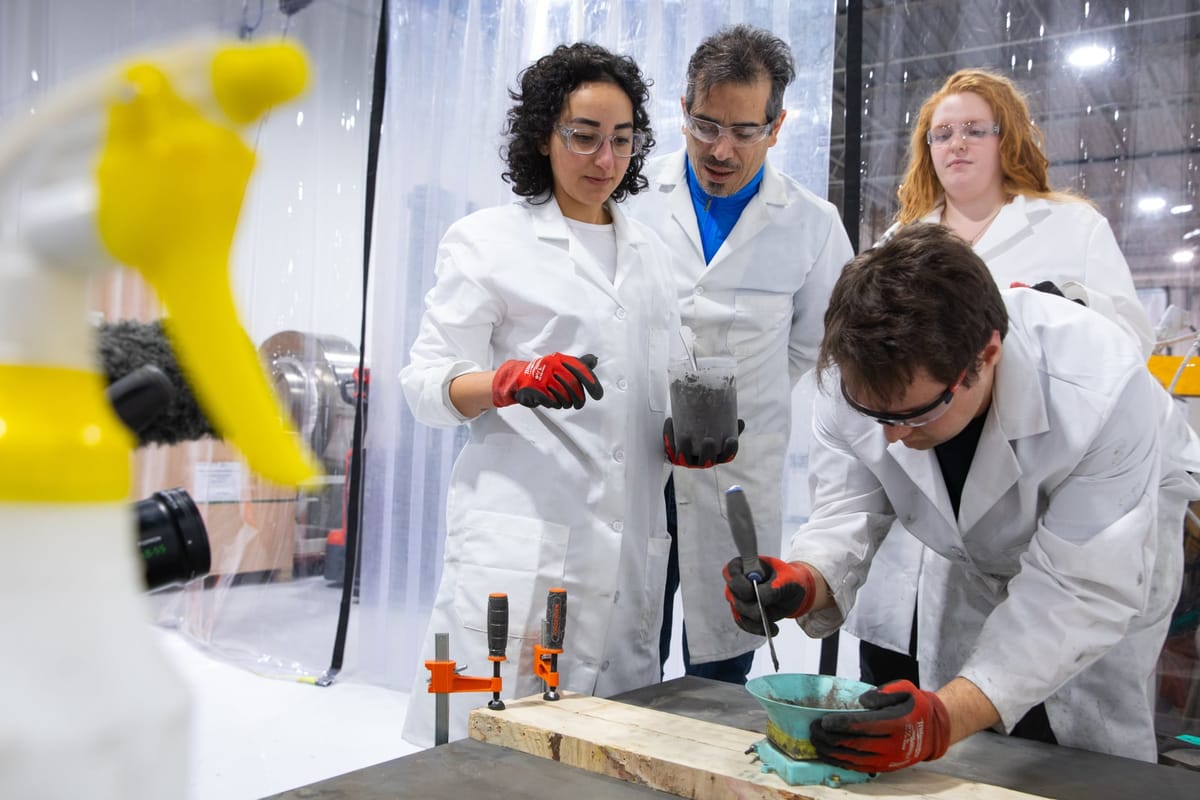
PHOTO GALLERY