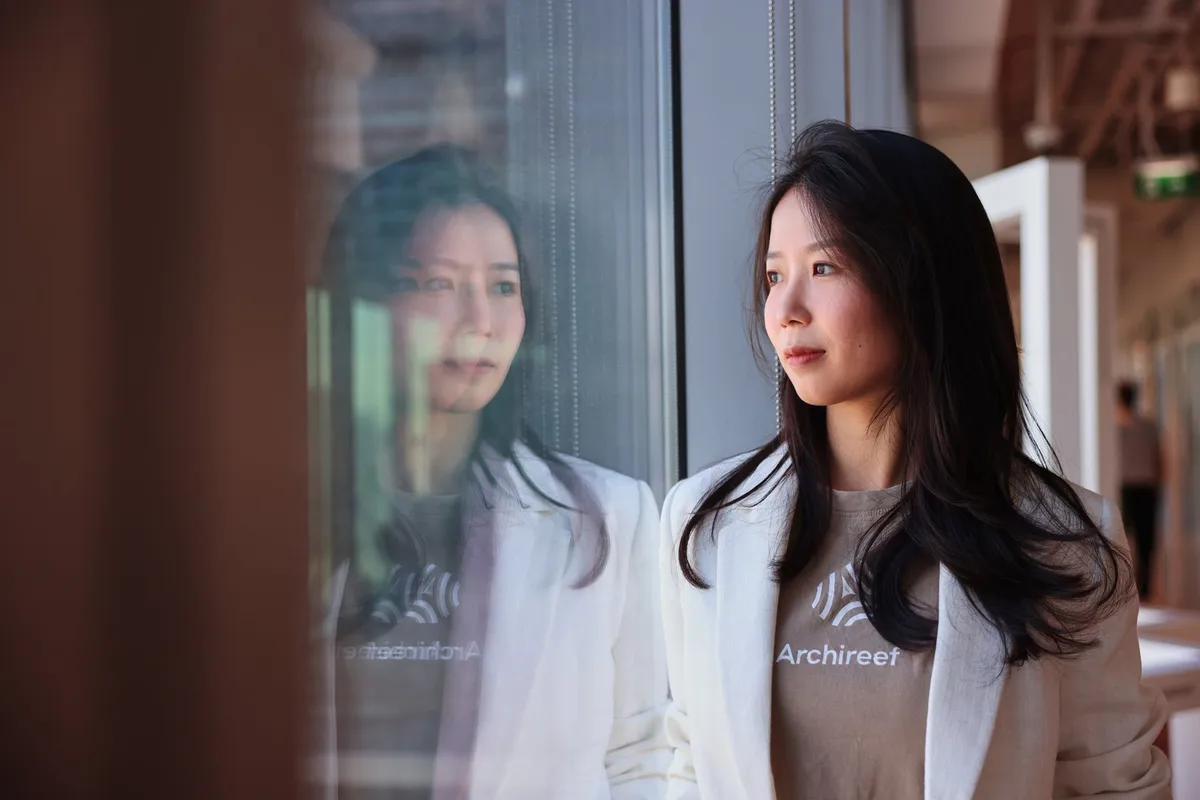
Fellow Portrait
Vriko Yu
Archireef

Archireef is a nature tech company restoring degraded marine ecosystems to conserve biodiversity and support sustainable development.
.svg?&quality=80&auto=webp&width=200)
Middle East and North Africa
United Arab Emirates
.svg?&quality=80&auto=webp&width=200)
Fellow
2026
Updated March 2026
Reef loss is an urgent but hidden problem in need of a timely solution
More than half of the world’s coral reefs are already lost. Rising ocean temperatures, coastal development and pollution are pushing marine ecosystems past their limits. While restoration is urgently needed, traditional methods can be slow, difficult to scale and, in some cases, cause unintended harm.
Marine biologist Vriko Yu was born and raised in Hong Kong, where she grew up immersed in both city life and nature. As a child, she remembers getting scratched by the abundant coral while swimming at a local beach. As an adult, she returned to that same spot, only to find the beach gone, replaced by a pier and buried under sediment.
But it was not until some years later, while volunteering on a coral monitoring project, that the scale of marine ecosystem loss became undeniable. “I watched a coral community that had been growing for hundreds of years disappear in just two months,” she recalls. Brain corals slowly disintegrated, their tissue breaking away until nothing remained. “That was when I realized climate change isn’t about half a degree in the future. It’s already happening, quietly, underwater.”
The experience brought clarity. “We can’t care about what we don’t see,” Vriko says. “And when it comes to the ocean, most people never see what’s being lost.”
“I realized that if we wanted action, we had to make marine restoration visible and viable.”
Designing for the ocean, not imposing on it
Vriko went on to pursue a Ph.D. in biological sciences, focusing on coral conservation. But she repeatedly encountered the same limitation: promising science that struggled to leave the lab or scale in the real world. Restoration solutions were often expensive, difficult to deploy and unattractive to businesses and governments seeking to invest in meaningful and measurable biodiversity projects.
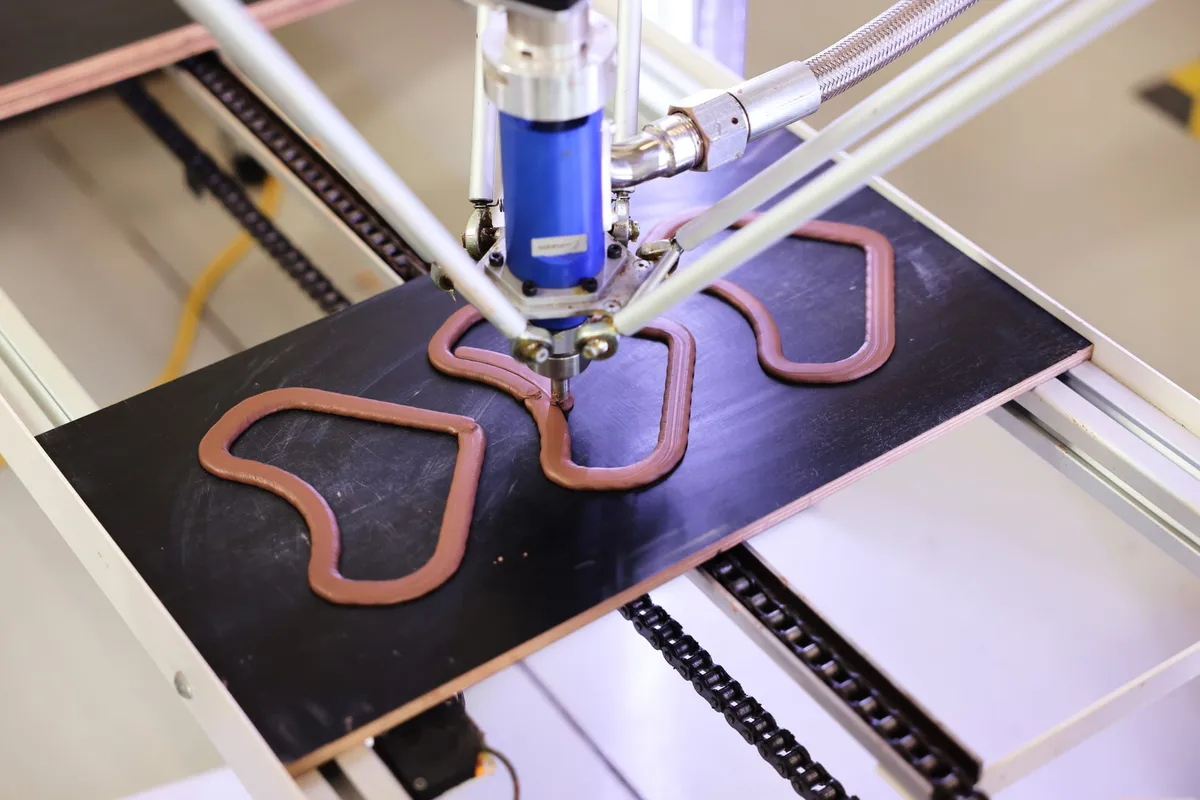
A breakthrough came in 2020 when she co-created the world’s first 3D-printed reef tiles made from terracotta. She founded Archireef to bring them to life. A nature tech company based in the United Arab Emirates, Archireef restores degraded marine ecosystems using solutions tailored specifically for the ocean.
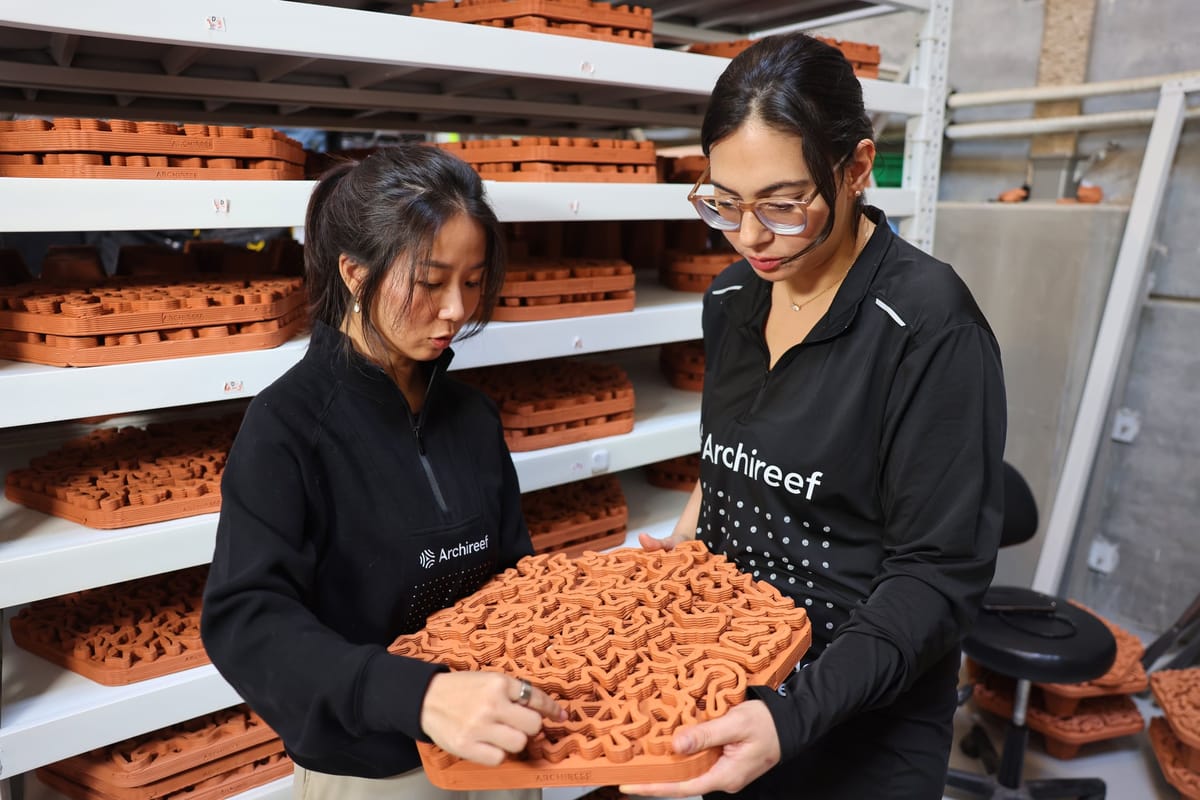
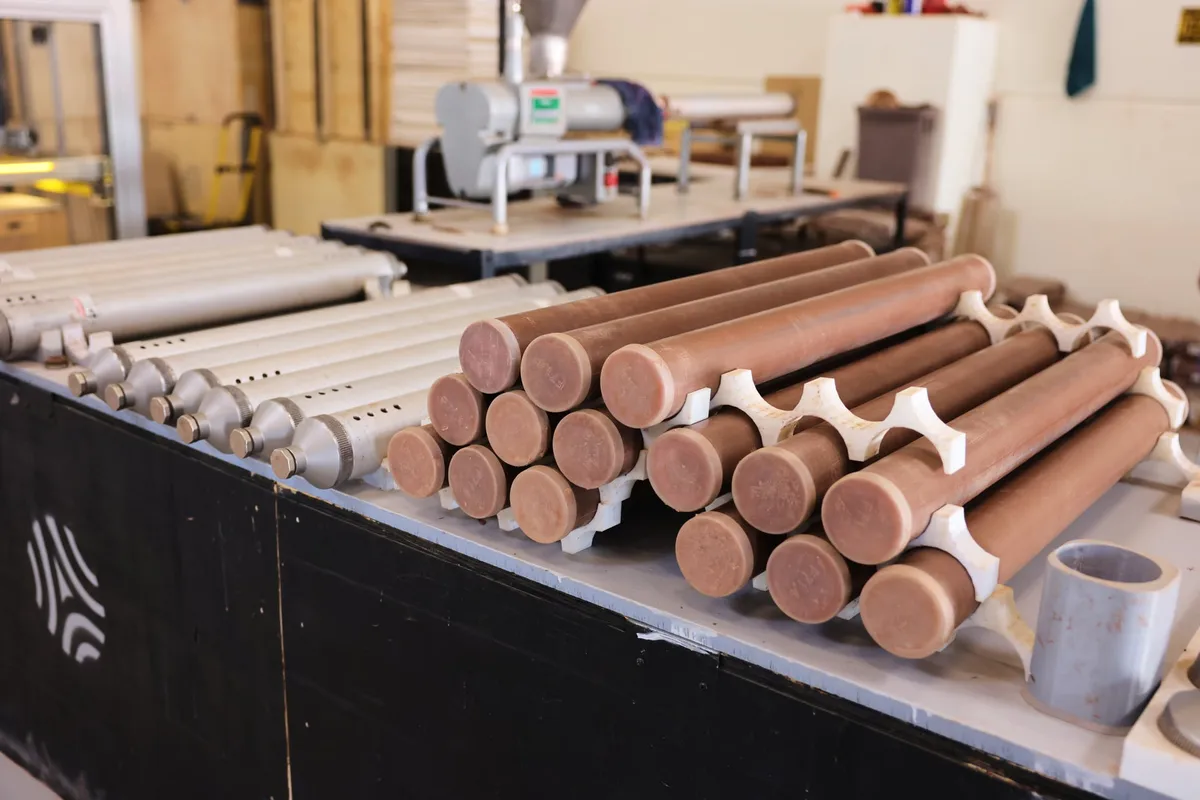
Its proprietary Reef Tiles are made from pH-neutral, ocean-friendly terracotta and shaped to support coral attachment and growth. Lightweight and modular, they can be installed by divers without heavy machinery, reducing both cost and environmental disturbance. “We’re not putting what we don’t want on land into the sea,” Vriko explains. “These structures are built for marine environments.”
Archireef works with corporations and governments whose operations depend on healthy marine ecosystems, from coastal developers to port operators, helping them move beyond mitigation toward measurable biodiversity gains. The company provides end-to-end solutions, from ecological assessment and restoration design to monitoring and reporting, which businesses can use in their regulatory disclosures and environmental compliance strategies.
“We’re building the architecture of marine habitats, so nature can recover and businesses can take responsibility.”
Reef recovery is possible — and scalable
The results are striking. Corals planted on Archireef structures show a 95% survival rate after three years, more than four times higher than traditional methods. To date, the company has restored over 12,000 square meters of marine ecosystems, rescued 20,000 coral fragments, and increased local biodiversity by up to 40%, with fish abundance rising more than sixfold.
The speed of recovery often surprises even seasoned observers. Vriko recalls a deployment where marine life began returning within days. “On one side, just meters away, it was silent, like a ghost city,” she says. “At the restoration site, it was busy. Fish, crabs, urchins — life can recover faster than we can ever imagine.”
Beyond ecological metrics, Archireef is changing perceptions. Corporate participants frequently leave with a renewed sense of both urgency and possibility. “People don’t expect recovery to happen so fast,” Vriko says. “Seeing it creates ownership. And that mindset shift lasts.”
By 2030, Archireef aims to survey, restore and monitor 125 hectares of marine ecosystems, align restoration efforts with government policy across Asia and the Gulf and reach one million people through ocean literacy programs. At its core is a belief that ambition matters, and that in the face of accelerating ocean loss, “doing no harm” is no longer enough.
“We’ve already taken so much from nature. Now we have a narrow window to give back at scale.”
PHOTO GALLERY